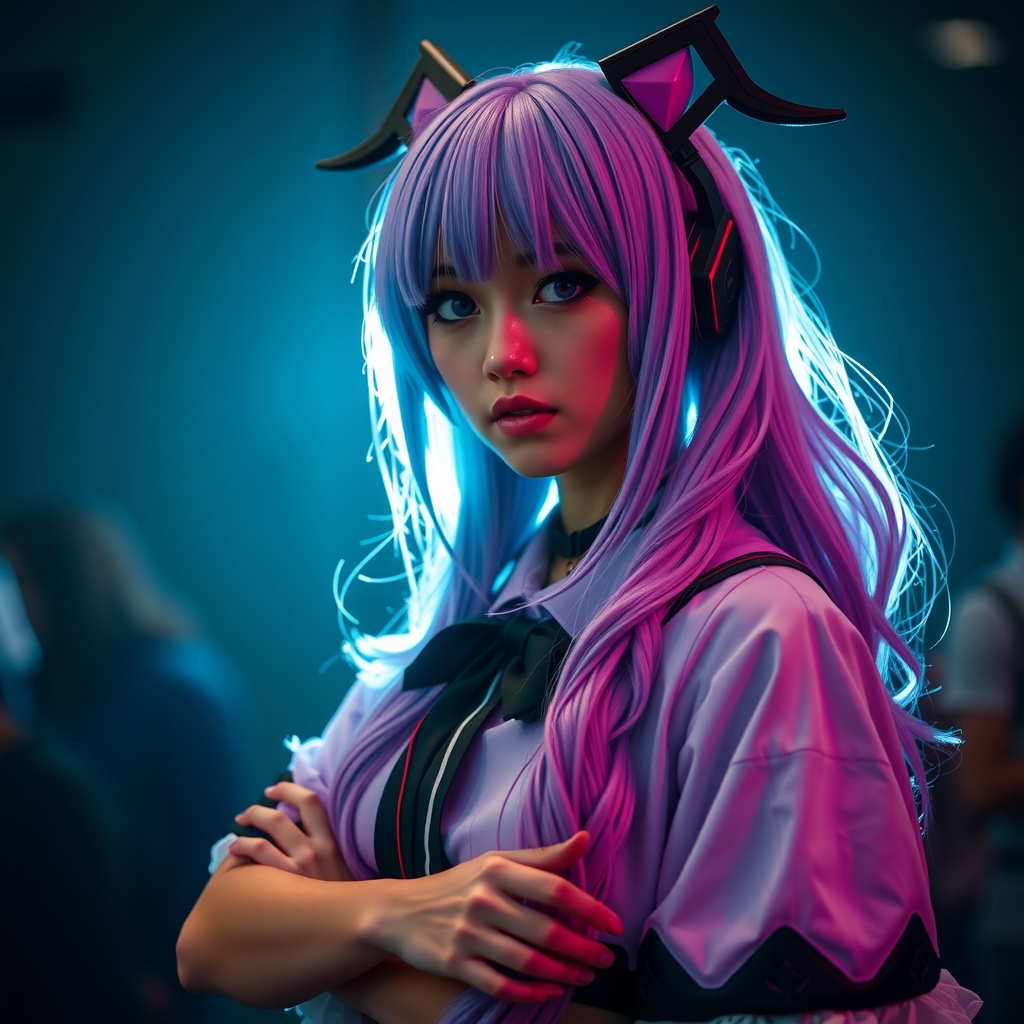

Introduction to Fabric Painting in Cosplay
As cosplayers, we're constantly looking for ways to elevate our craft and bring our favorite characters to life. One technique that's gained popularity in recent years is fabric painting, particularly when it comes to creating realistic video game textures. With the right materials and a bit of practice, you can achieve stunning results that will make your cosplay stand out. In this guide, we'll walk you through the basics of fabric painting and provide tips and tricks for creating realistic video game textures.
Materials and Preparation
Before you start painting, it's essential to gather the right materials. You'll need:
- High-quality fabric: Look for fabrics that are suitable for painting, such as cotton, polyester, or blends. Avoid using fabrics with a loose weave or those that are prone to fraying.
- Fabric paint: Choose a high-quality fabric paint that's specifically designed for the type of fabric you're using. Acrylic fabric paints are popular among cosplayers, but make sure to read the instructions and follow any necessary safety precautions.
- Brushes: Invest in a variety of brushes, including flat brushes, round brushes, and detail brushes. Natural hair brushes work well with fabric paint, but synthetic brushes can also produce great results.
- Palette or painting surface: Use a disposable palette or a reusable one to mix your paints. You can also paint on a piece of parchment paper or a silicone mat.
- Reference images: Collect reference images of the character or texture you want to replicate. Study the colors, patterns, and details to ensure accuracy.
Preparing Your Fabric
Before you start painting, make sure your fabric is clean and dry. Wash and dry your fabric according to the manufacturer's instructions to remove any finishes or impurities that may affect the paint. Iron your fabric to remove wrinkles and creases, ensuring a smooth surface for painting.
Basic Fabric Painting Techniques
Once you have your materials ready, it's time to learn some basic fabric painting techniques. Here are a few essential techniques to get you started:
- Flat wash: Use a flat brush to apply a smooth, even layer of paint to your fabric. This technique is great for creating solid colors and backgrounds.
- Gradients: Use a wet-on-wet technique to create smooth gradients. Apply a layer of paint to your fabric, then use a damp brush to blend the colors.
- Details: Use a detail brush to add small details, such as lines, shapes, or textures. You can also use a toothpick or a small tool to create fine details.
Creating Realistic Video Game Textures
Now that you've mastered the basics, it's time to tackle more complex textures. Here are some tips for creating realistic video game textures:
- Study the texture: Analyze the texture you want to replicate, paying attention to the patterns, colors, and details.
- Layering: Use layering to build up complex textures. Start with a base layer, then add additional layers to create depth and dimension.
- Blending: Use blending techniques to create smooth transitions between colors. You can use a wet brush or a drybrush to achieve different effects.
- Edge control: Pay attention to the edges of your texture, using a small brush to create crisp, clean lines.
Tips and Tricks
Here are some additional tips and tricks to help you achieve realistic video game textures:
- Use reference images: Collect reference images to ensure accuracy and attention to detail.
- Experiment with different techniques: Don't be afraid to try new techniques or experiment with different materials.
- Practice, practice, practice: Fabric painting takes practice, so don't get discouraged if your first attempts don't turn out as expected.
- Seal your work: Once you've completed your design, seal it with a fabric fixative or a clear coat to protect it from fading or damage.
Conclusion
Creating realistic video game textures with fabric painting is a skill that takes time and practice to develop. With the right materials, techniques, and attention to detail, you can elevate your cosplay and bring your favorite characters to life. Remember to experiment, practice, and have fun – and don't be afraid to share your creations with the cosplay community!
For more information on fabric painting and cosplay, check out the following resources: