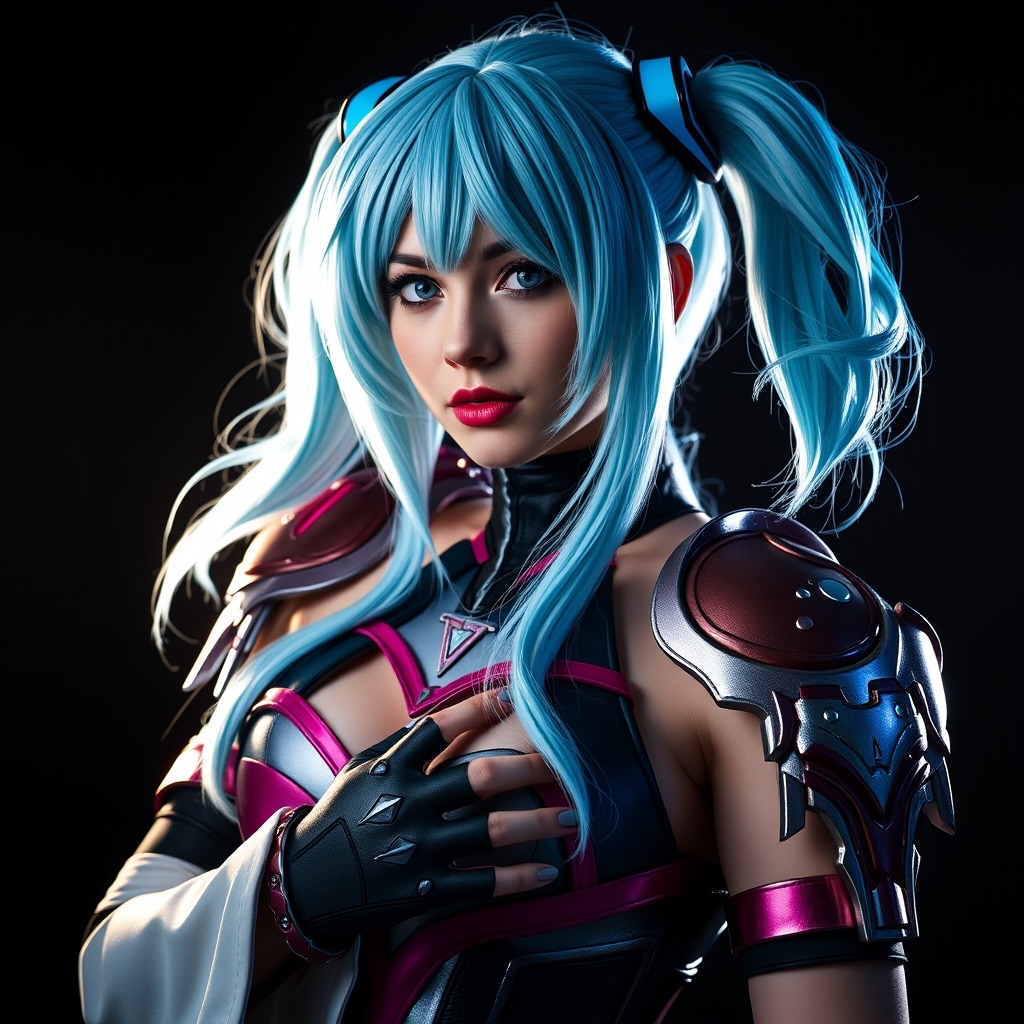
As cosplayers, we're constantly seeking ways to bring our favorite characters to life with precision, creativity, and durability. Two popular methods for creating cosplay props and accessories are 3D printing and hand crafting. While both techniques have their advantages and disadvantages, understanding when to use each can make all the difference in achieving professional-looking results.
The Benefits and Limitations of 3D Printing
3D printing has revolutionized the cosplay community, offering a level of precision and detail that's difficult to achieve by hand. With 3D printing, you can create complex shapes and geometries with ease, making it ideal for props with intricate designs. Additionally, 3D printing allows for rapid prototyping, enabling you to test and refine your design quickly. However, 3D printing also has its limitations. Depending on the printer and materials used, prints can be brittle, prone to layer separation, or require significant post-processing. Moreover, 3D printing can be expensive, especially for large or complex prints.
The Benefits and Limitations of Hand Crafting
Hand crafting, on the other hand, offers a level of flexibility and customization that's hard to achieve with 3D printing. With hand crafting, you can create unique textures, patinas, and weathering effects that add character to your props. Hand crafting also allows for easier repairs and modifications, as you can work directly with the material. However, hand crafting can be time-consuming, requiring a high level of skill and patience. Additionally, achieving consistency and precision can be challenging, especially for complex designs.
When to Choose 3D Printing
So, when should you choose 3D printing over hand crafting? Here are some scenarios where 3D printing excels:
- Complex geometries: 3D printing is ideal for props with intricate designs, such as ornate armor, detailed sculptures, or mechanical components.
- High-precision requirements: If your prop requires precise tolerances or detailed textures, 3D printing can ensure accuracy and consistency.
- Rapid prototyping: 3D printing allows for quick testing and refinement of your design, saving time and effort in the long run.
When to Choose Hand Crafting
Conversely, here are some scenarios where hand crafting might be a better choice:
- Unique textures and effects: Hand crafting allows for the creation of one-of-a-kind textures, patinas, and weathering effects that add character to your props.
- Customization and iteration: Hand crafting enables easy repairs and modifications, making it ideal for props that require frequent updates or adjustments.
- Organic shapes: Hand crafting is well-suited for creating organic shapes, such as fabric, leather, or wood, that are difficult to replicate with 3D printing.
Combining 3D Printing and Hand Crafting
In many cases, the best approach is to combine 3D printing and hand crafting. For example, you can 3D print a prop's core structure and then add hand-crafted details, such as paint, weathering, or texture. This hybrid approach allows you to leverage the strengths of both techniques, achieving professional-looking results while minimizing their limitations.
Tips for Successful 3D Printing and Hand Crafting
To get the most out of both techniques, keep the following tips in mind:
- Plan and prototype: Before committing to either technique, plan and prototype your design to ensure it meets your needs and expectations.
- Choose the right materials: Select materials that suit your design and technique, taking into account factors such as durability, weight, and texture.
- Practice and patience: Both 3D printing and hand crafting require practice and patience to master. Don't be discouraged by setbacks or failures – they're an opportunity to learn and improve.
By understanding the strengths and limitations of 3D printing and hand crafting, you can make informed decisions about which technique to use for your next cosplay project. Whether you're a seasoned pro or just starting out, mastering the art of combining these techniques will help you achieve professional-looking results and take your cosplay to the next level.