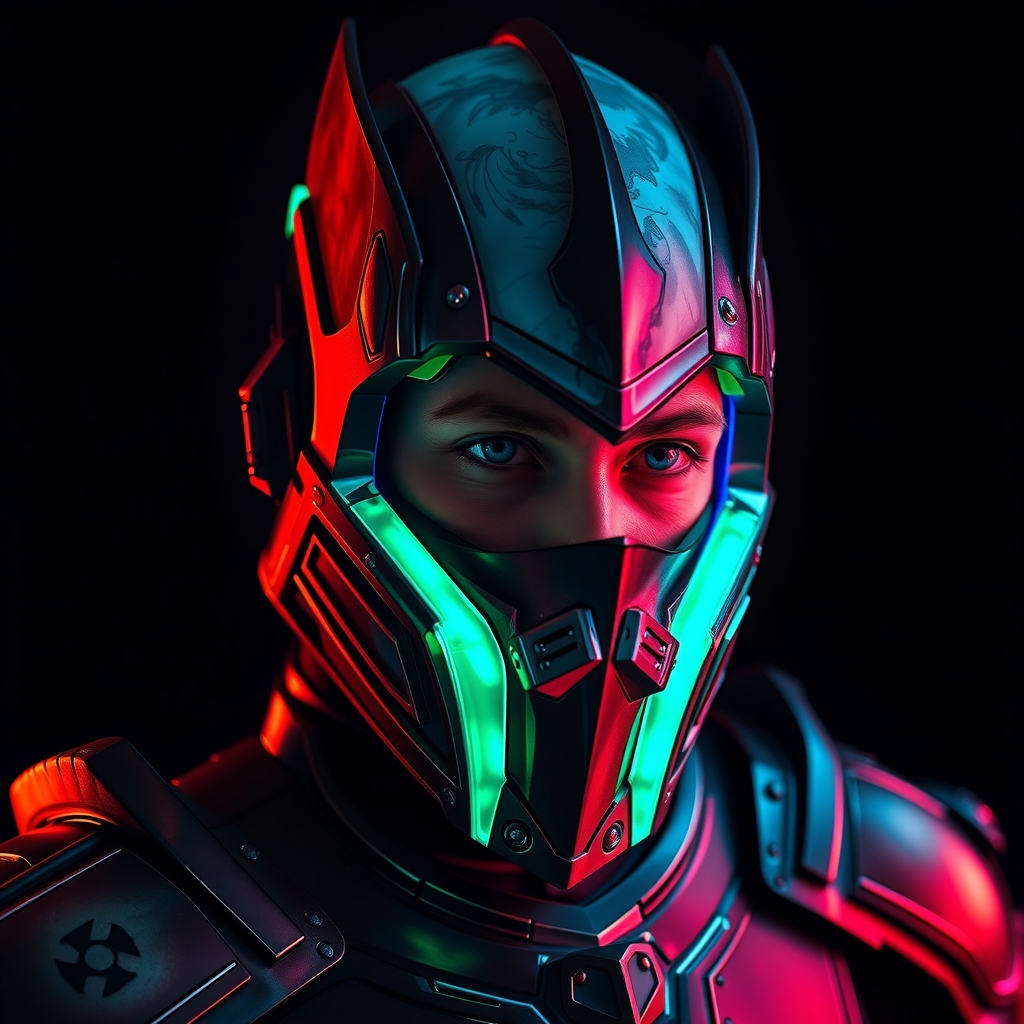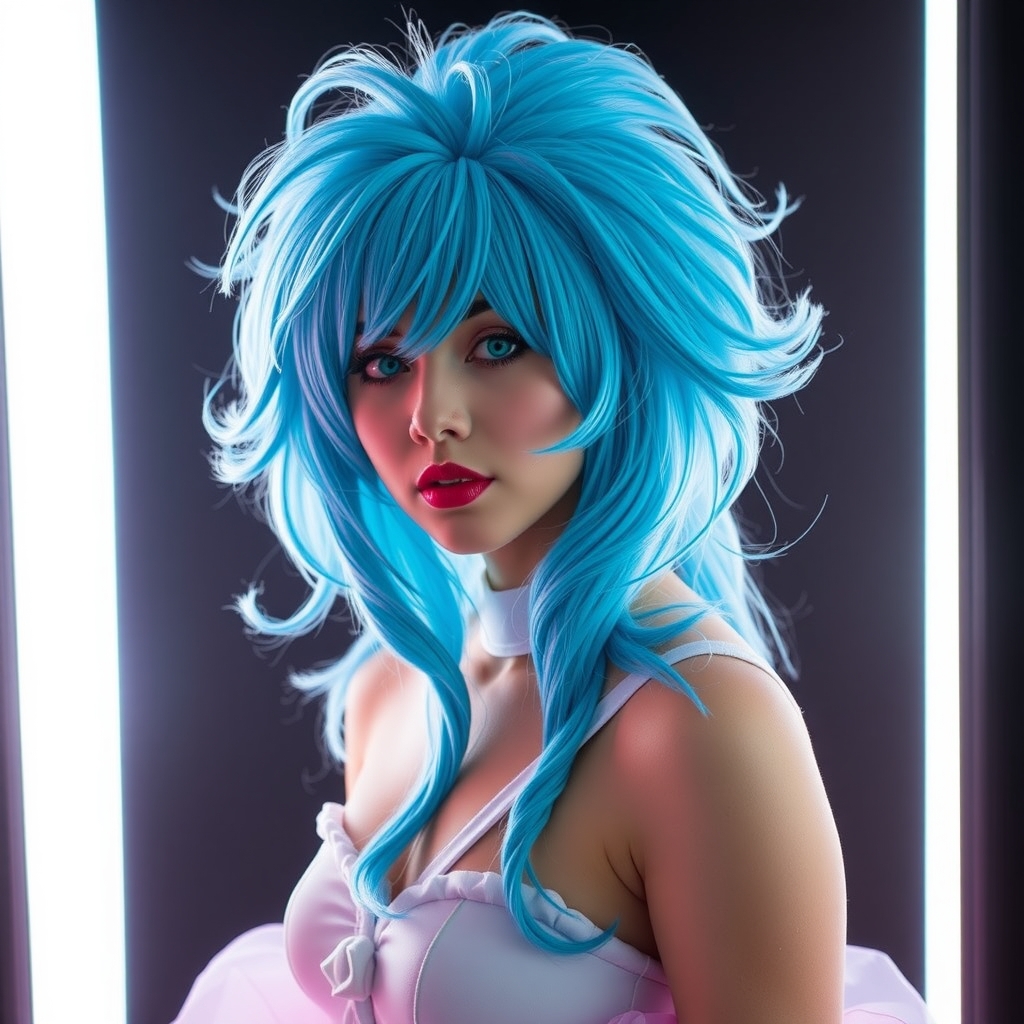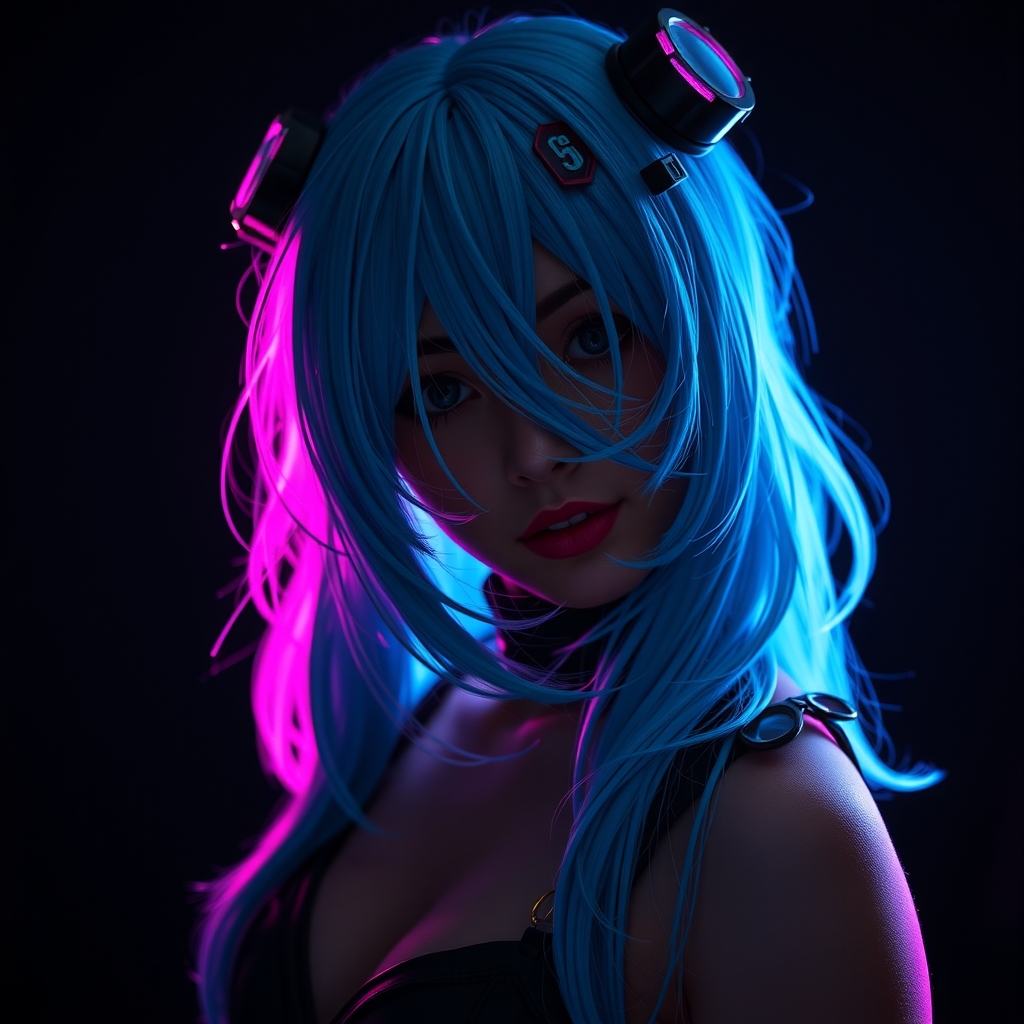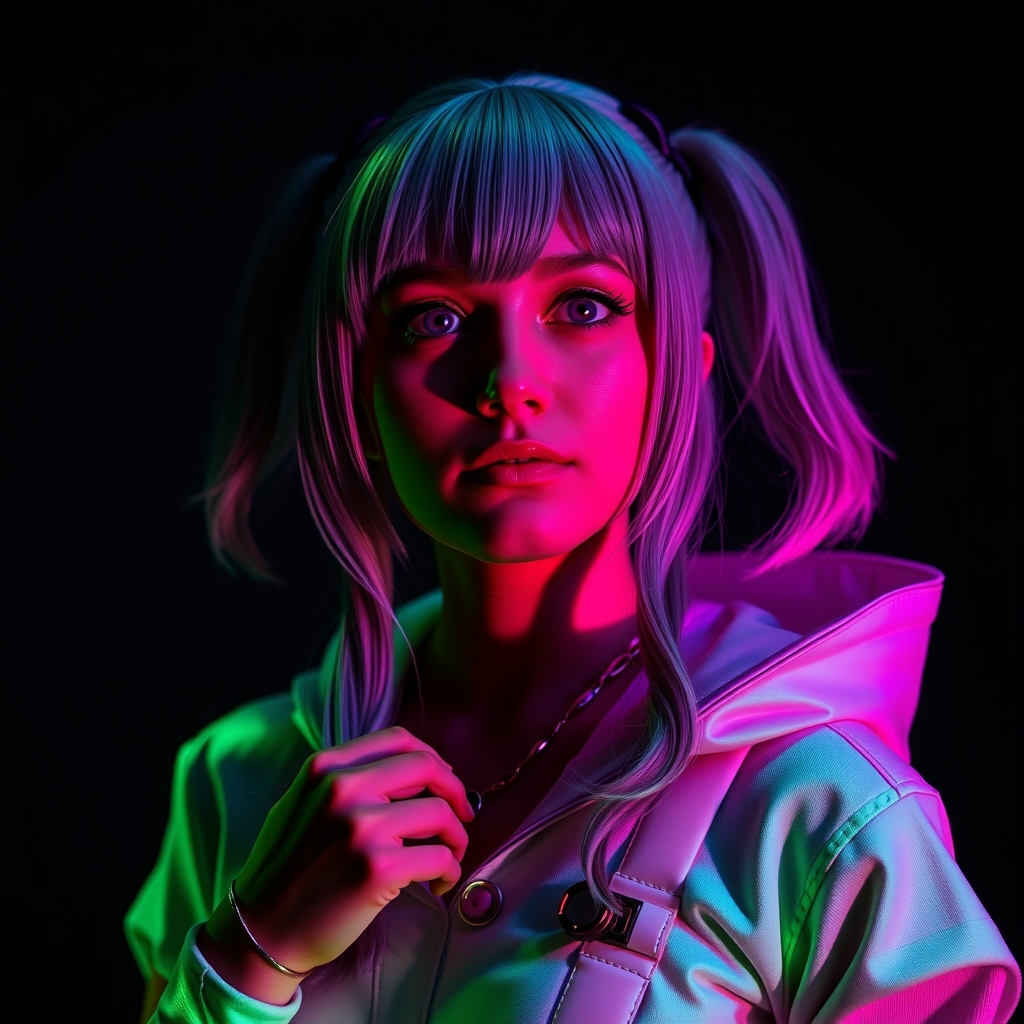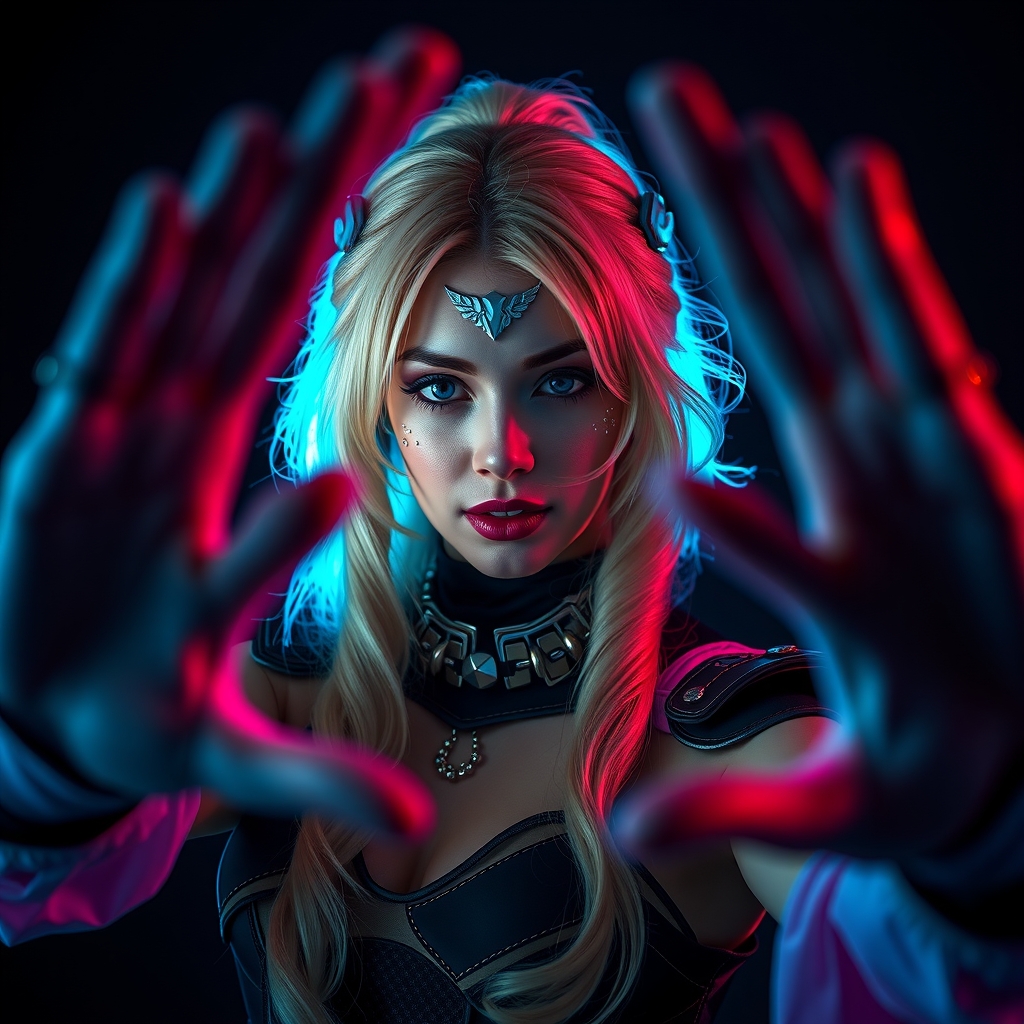
Cosplay photography is a unique intersection of portraiture, conceptual art, and fandom. Unlike traditional event photography, capturing a cosplayer requires an understanding of costume construction, character lore, and the specific technical challenges of synthetic fabrics and prosthetic makeup. Transitioning from a hobbyist who takes photos at conventions to a professional who markets their services requires a shift in mindset from "taking pictures" to "providing a luxury service."
Defining Your Artistic Identity
Before seeking clients, you must define what makes your work distinct. In a saturated market, "I take good photos" is not a brand; it is a baseline requirement. A personal brand is the promise of a specific result. To establish this, analyze your portfolio and identify recurring themes.
Consider whether your strength lies in high-contrast, cinematic lighting that emphasizes drama, or a bright, airy style that complements magical girl or idol aesthetics. Some photographers specialize in "composite" work, using post-processing to add digital environments, fire, or magical effects. Others focus on candid, "slice-of-life" storytelling that captures the human element behind the costume.
Once you identify your niche, create a cohesive visual identity. This includes a consistent color palette for your social media presence and a curated portfolio that showcases your best work rather than every photo you have ever taken. A professional portfolio should be a "greatest hits" reel that tells a potential client exactly what they can expect when they hire you.
Structuring Your Service Offerings
Professionalism is defined by clarity. Clients should not have to guess how much your services cost or what is included in a session. Creating standardized packages removes friction from the booking process and protects your time.
Consider offering three tiers of service to cater to different budgets and needs:
- The Mini-Session: A short, timed slot (often used at conventions) focusing on a single character with a limited number of edited images.
- The Standard Session: A dedicated block of time at a chosen location, allowing for multiple costume changes and a wider variety of compositions.
- The Premium Experience: A full-day or half-day production including location scouting, advanced lighting setups, and extensive post-processing or digital compositing.
Be explicit about your deliverables. State exactly how many photos will be delivered, the turnaround time for edits, and whether the client receives the raw files (which most professionals avoid providing). Clearly defining these boundaries prevents "scope creep," where a client requests endless revisions or additional photos beyond the agreed-upon price.
The Logistics of Client Management
The quality of the final image is only half of the professional experience; the other half is the client's interaction with you. Implementing a structured workflow ensures that no detail is missed and the client feels valued.
Start with a comprehensive intake form. This should ask for the character being portrayed, the specific "vibe" or mood of the shoot, and any "must-have" poses or angles. This prevents wasted time during the shoot and shows the cosplayer that you are invested in their vision of the character.
Communication is the cornerstone of retention. Provide a "Prep Guide" to your clients that includes tips on how to prepare their costume for the camera, suggestions for footwear for specific terrains, and a reminder to bring a "touch-up kit" for makeup and wig styling. By guiding the client through the preparation process, you ensure the raw material you are photographing is of the highest possible quality.
Marketing Beyond the Convention Floor
While conventions are great for networking, relying solely on them for business creates a seasonal income stream. To build a sustainable business, you must market yourself as a destination photographer.
Utilize social media not just as a gallery, but as a tool for education and engagement. Share "Before and After" sliders of your editing process to demonstrate the value of your post-production skills. Post "Behind the Scenes" content that shows your lighting setup or how you direct a model. This demystifies the process and builds trust, proving that your results are the product of skill and planning rather than luck.
Networking within the community is equally vital. Instead of simply asking for bookings, provide value. Offer critiques, share lighting tips, or collaborate with other creators. When you position yourself as an expert and a helpful member of the community, clients will naturally gravitate toward you when they are ready to invest in professional imagery.
Ethics and Professional Conduct
In the cosplay community, trust is the primary currency. Because cosplayers are often in vulnerable positions—wearing restrictive costumes or posing in public spaces—the photographer must prioritize safety and consent above all else.
Implement a strict consent policy. Always discuss the boundaries of posing before the shoot begins. If a pose feels uncomfortable for the client, be the first to suggest an alternative. Furthermore, be transparent about where the images will be posted. Some cosplayers may be comfortable with photos on a personal portfolio but not on a public stock site or in a printed gallery.
Finally, respect the intellectual property of the costume creators. Whenever possible, ensure the cosplayer can credit their armor makers, wig stylists, and seamstresses in the final posts. By supporting the wider ecosystem of cosplay craftsmanship, you build a reputation as a professional who respects the art form, not just the final image.
Scaling and Long-Term Growth
As your business grows, avoid the trap of taking every single job. To move from a "gig worker" to a "brand," you must eventually become selective. Start prioritizing projects that challenge your technical skills or align with the artistic direction you want for your portfolio.
Invest in your gear strategically. Rather than buying every new lens, identify the gaps in your current work. If you find yourself struggling with low-light convention halls, prioritize a faster prime lens. If you want to move into high-end conceptual work, invest in off-camera flashes and modifiers. Your equipment should serve your brand identity, not the other way around.
By combining a distinct artistic voice with rigorous business logistics and an ethical approach to community engagement, you can transform your passion for cosplay photography into a sustainable, professional career.