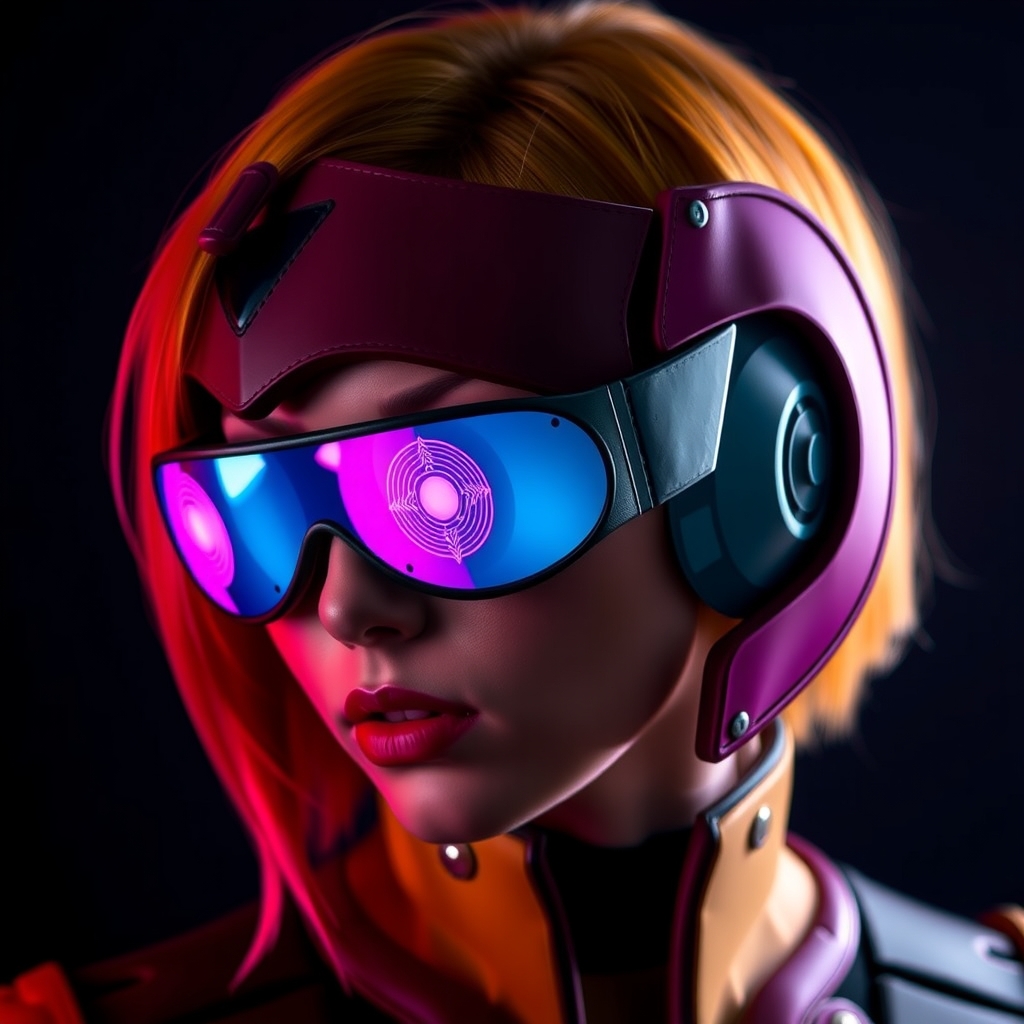
Introduction to Gaming Cosplay and 3D Printing
Gaming cosplay has become increasingly popular, with fans worldwide showcasing their creativity and skills in bringing characters to life. One of the key technologies that have made this possible is 3D printing, which allows cosplayers to create intricate and detailed props and costume pieces with ease. In this guide, we'll explore how to combine 3D printing with Worbla, a versatile thermoplastic material, to create stunning gaming cosplay pieces.
Designing and Preparing 3D Models for Printing
The first step in creating 3D printed cosplay pieces is to find or design a 3D model of the desired prop or costume part. There are several online resources and communities that offer free and paid 3D models, such as Thingiverse, MyMiniFactory, and GrabCAD. When selecting a model, ensure it is designed for 3D printing and suitable for your skill level.
Once you have your 3D model, you'll need to prepare it for printing. This involves:
- Scaling the model to the desired size
- Repairing any errors or gaps in the mesh
- Optimizing the model for printability
Software such as Blender, Tinkercad, or MeshLab can be used for these tasks. If you're new to 3D modeling, there are many online tutorials and resources available to help you learn.
3D Printing and Post-Processing
With your 3D model prepared, it's time to print it. When choosing a 3D printing technology, consider the level of detail and texture required, as well as the print speed and material compatibility. Fused Deposition Modeling (FDM) and Stereolithography (SLA) are popular choices for cosplay printing.
After printing, your model will likely require post-processing, which may include:
- Removing support materials
- Sanding and smoothing rough edges
- Applying a primer or paint
Working with Worbla
Worbla is a thermoplastic material that can be molded, shaped, and thermoformed to create complex and detailed designs. It's an ideal material for cosplay crafting, as it can be used to create durable and lightweight pieces.
To work with Worbla, you'll need:
- A heat source, such as a heat gun or oven
- A Worbla sheet or granulate
- A mold or shape to form the Worbla into
Mold the Worbla into the desired shape, and then allow it to cool and harden. You can then sand, paint, or apply additional details as needed.
Combining 3D Printing and Worbla for Cosplay
One of the most powerful techniques in gaming cosplay is combining 3D printing with Worbla. By printing a base structure and then covering it with Worbla, you can create complex and detailed pieces with a high level of realism.
Here's an example of how to combine 3D printing and Worbla:
- Print a 3D model of a prop or costume part using FDM or SLA
- Apply a layer of Worbla to the printed model, molding it into the desired shape
- Use a heat gun or oven to shape and smooth the Worbla
- Add additional details, such as paint or texture, as needed
Tips and Tricks for Successful Cosplay Crafting
Here are a few additional tips to keep in mind when creating gaming cosplay with 3D printing and Worbla:
- Start small and practice your skills before tackling complex projects
- Experiment with different materials and techniques to find what works best for you
- Join online communities and forums to connect with other cosplayers and learn from their experiences
With patience, practice, and dedication, you can create stunning gaming cosplay pieces that showcase your creativity and skills. Whether you're a seasoned cosplayer or just starting out, combining 3D printing and Worbla is a great way to bring your favorite characters to life.