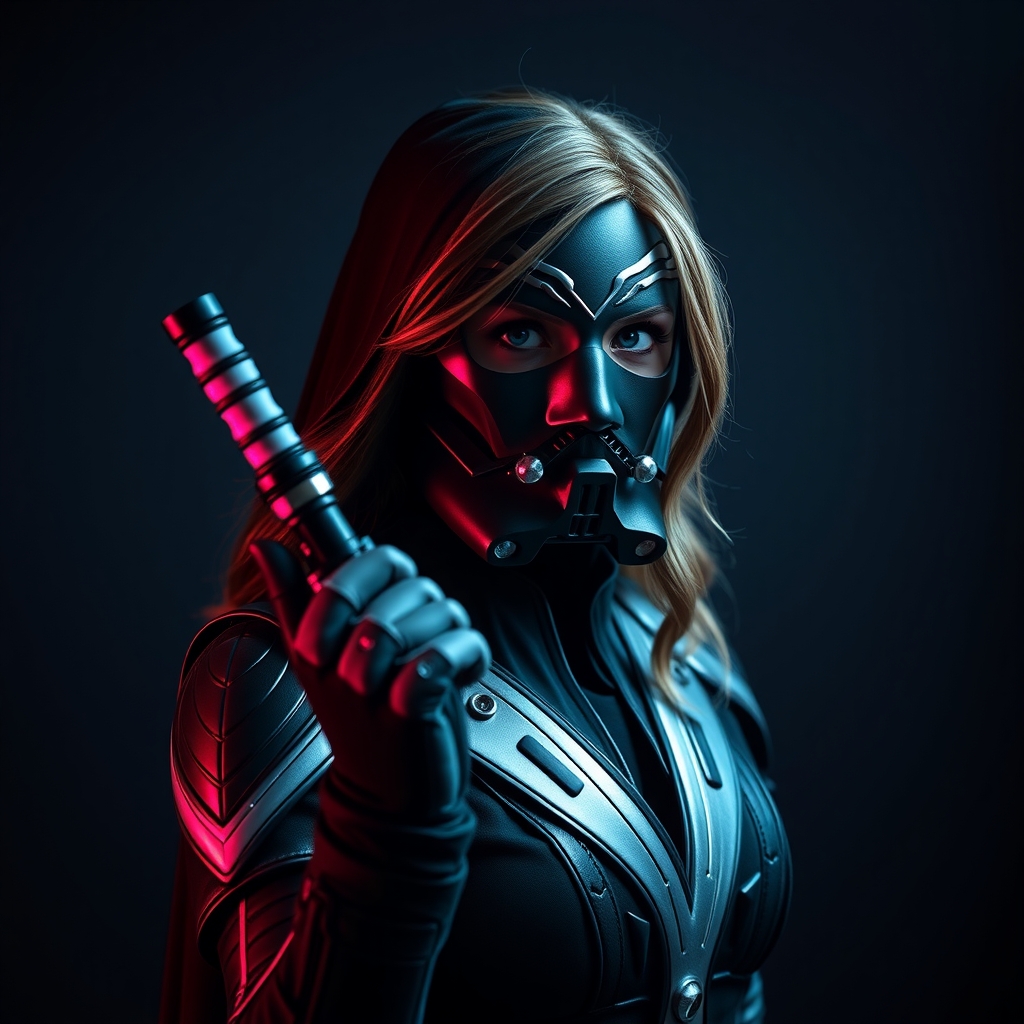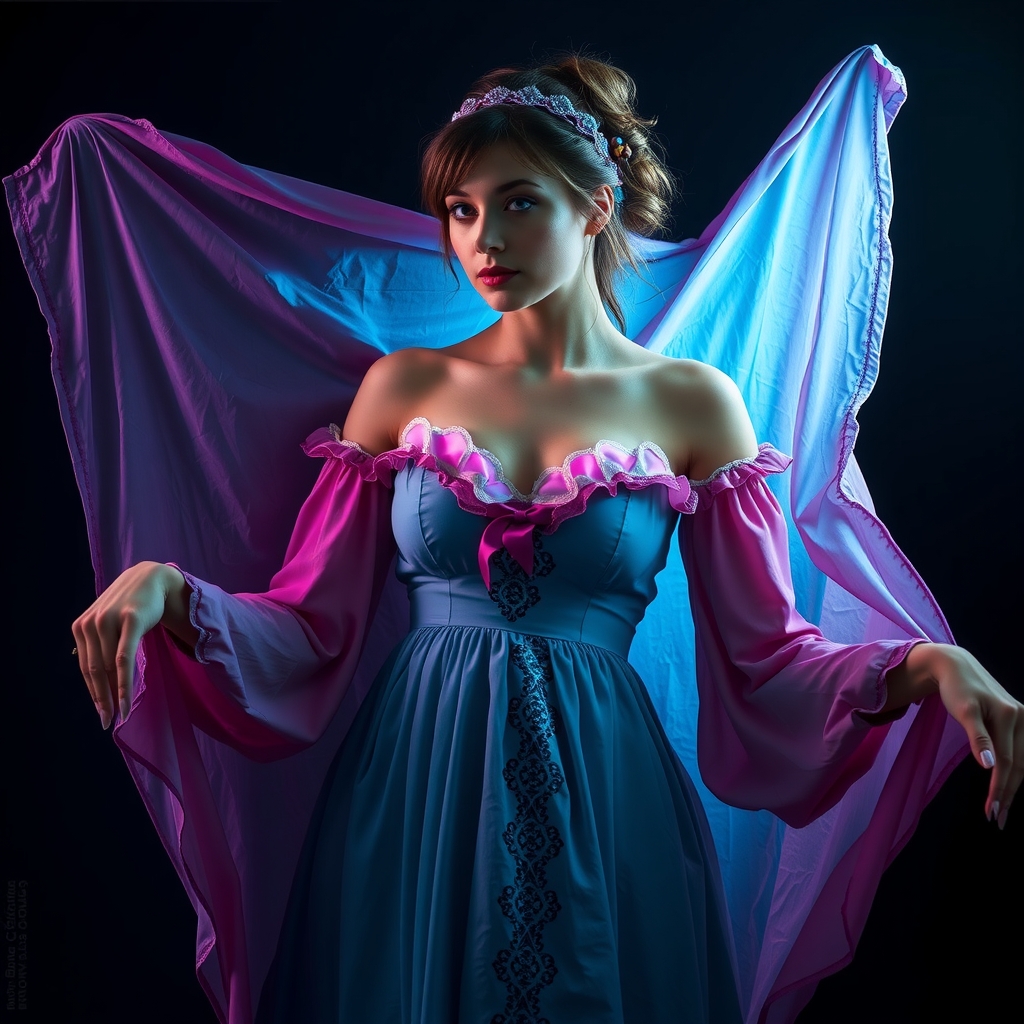
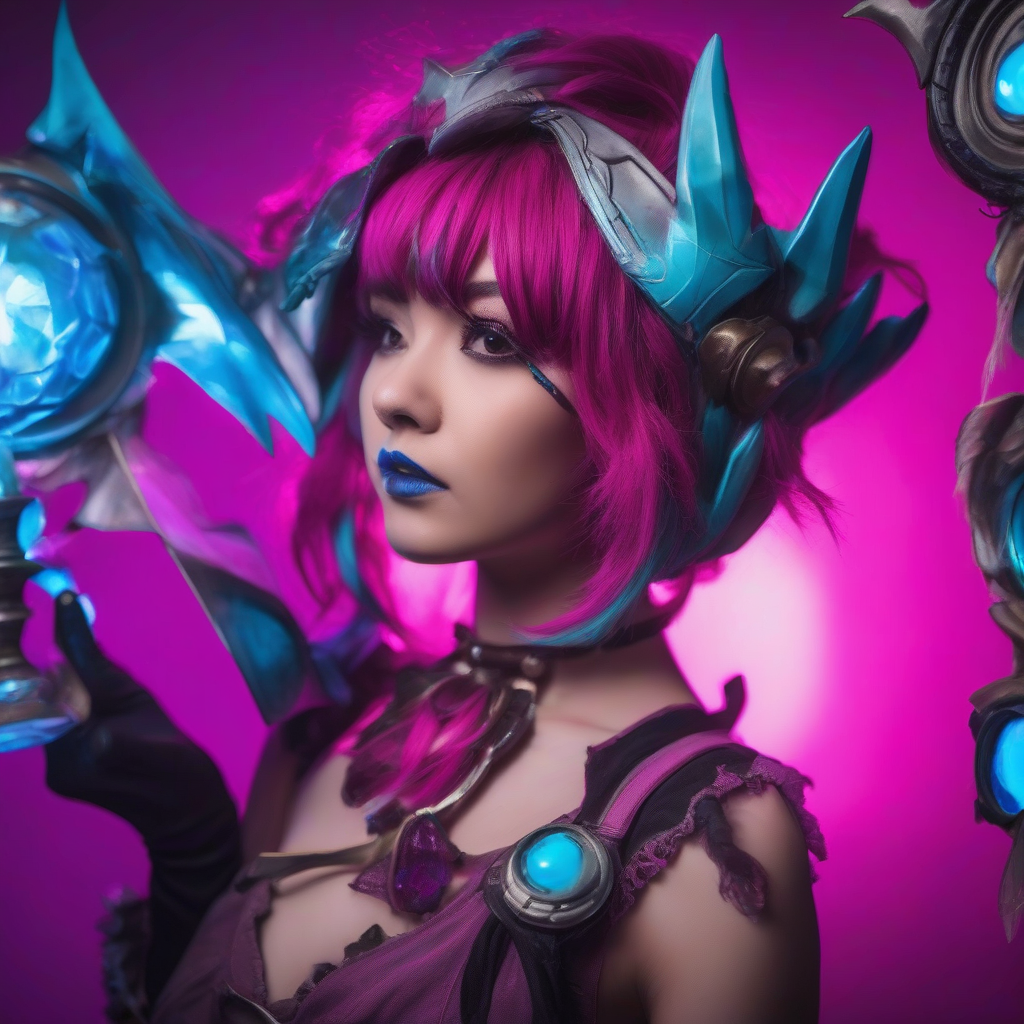
Creating a costume for a League of Legends champion often feels like a daunting task due to the game's maximalist art style. Between the oversized pauldrons, intricate embroidery, and layered fabrics, the cost of raw materials can skyrocket. However, the secret to achieving a high-end "Runeterra" look without a professional studio budget lies in strategic upcycling. By scouring thrift stores for specific vintage silhouettes and materials, you can build a complex costume that looks authentic and feels durable.
Identifying the Right Vintage Base
The first step in upcycling for League of Legends is identifying garments that share a structural DNA with your chosen champion. Instead of looking for a complete outfit, look for "anchor pieces"—items that provide the primary silhouette or heavy-duty fabric base.
The Victorian and Edwardian Influence
For champions from Noxus or Demacia, look for vintage blazers, waistcoats, and heavy wool coats. A 1980s oversized power suit blazer can be tailored down into a structured military tunic. Look for fabrics like wool, tweed, or heavy polyester blends; these hold their shape better than modern fast-fashion materials and can support the weight of added armor plates or heavy trim.
Flowing Silhouettes for Ionia
Champions from Ionia often feature draped, asymmetric, or layered clothing. Search the linens and curtains section of thrift stores. Vintage heavy-duty cotton curtains or oversized silk scarves can be converted into wide-leg trousers or flowing wraps. Look for neutral tones or deep jewel colors that can be easily dyed to match the champion's palette.
Converting Everyday Items into Fantasy Hardware
One of the most challenging aspects of League of Legends cosplay is the abundance of metallic accents, buckles, and ornate fasteners. You do not need to buy expensive leather goods when vintage accessories offer a wealth of raw materials.
Repurposing Old Belts and Bags
Vintage leather belts, old handbags, and discarded boots are goldmines for "leather" scraps. Instead of buying a full hide of synthetic leather, cut straps from old belts to create harness systems, gauntlets, or boot toppers. A vintage leather purse can be disassembled to provide the exact amount of material needed for a champion's utility pouches or belt accents.
Jewelry and Hardware Hacks
Look for chunky vintage costume jewelry. Large gold-toned buttons, ornate brooches, and heavy chains can be glued or sewn onto a garment to mimic the opulent detailing found on champions like Leona or Swain. If the color is off, a simple coat of metallic acrylic paint or a spray primer can unify these disparate pieces into a cohesive set of armor accents.
Texturing and Weathering for World-Building
Freshly bought fabric often looks "costumy" because it lacks history. League of Legends characters live in a world of war, magic, and wilderness. Upcycled vintage items often have a natural wear that you can enhance to add depth to your cosplay.
Adding Dimensional Texture
To mimic the intricate embroidery or embossed leather seen in-game, use the "fabric-on-fabric" technique. Cut shapes out of scrap vintage fabrics (like lace or velvet) and sew them onto your base garment using a contrasting thread. This creates a 3D effect that mimics expensive brocade without the cost.
The Art of the Grime
For champions like Warwick or Urgot, your clothes should look lived-in. Use a combination of watered-down brown and black acrylic paints to create "dirt" gradients around the hems and cuffs. For a rusted metal look on upcycled hardware, apply a sponge dipped in orange and burnt sienna paint. Because you are using thrifted items, you can be more aggressive with your weathering techniques without the fear of ruining expensive new fabric.
Structural Reinforcements and Modifications
Vintage clothing is often designed for comfort, whereas cosplay requires structure. To transition a thrifted piece into a costume, you must reinforce the areas that will support weight.
Integrating Foam Armor
If you are attaching EVA foam armor to a vintage blazer or coat, do not sew the foam directly to the fabric. Instead, create "mounting points." Sew heavy-duty webbing or nylon straps to the inside of the garment, then glue your armor pieces to the straps. This prevents the weight of the armor from pulling and tearing the vintage fabric, ensuring the costume remains stable throughout a convention day.
Altering the Silhouette
Many vintage items are too boxy. Use a simple "pinch and sew" method to create the tapered waistlines common in fantasy character designs. For champions with dramatic collars or shoulder pads, you can stuff the shoulders of a thrifted jacket with scrap foam or batting to create a more imposing, heroic silhouette.
Sustainable Sourcing Strategy
To maximize your success when thrift shopping for cosplay, adopt a "material-first" mindset rather than a "garment-first" mindset. Stop looking for a "coat" and start looking for "heavy cream-colored wool."
- Check the Linings: Some vintage coats have beautiful silk or satin linings that can be removed and used as accent fabric for inner capes or waistbands.
- Inspect the Hardware: Prioritize items with high-quality metal zippers or buttons, as these are expensive to buy separately.
- Consider the Weight: Choose heavier fabrics for armor-adjacent pieces and lightweight, breathable fabrics for under-layers to ensure you stay cool during the event.
By combining the structural integrity of vintage clothing with the versatility of modern craft materials, you can create a League of Legends cosplay that is not only budget-friendly but possesses a level of texture and authenticity that store-bought costumes cannot replicate. The process of upcycling turns the build into a puzzle, challenging you to see the potential in a discarded blazer or an old curtain and transforming it into a piece of Runeterra history.