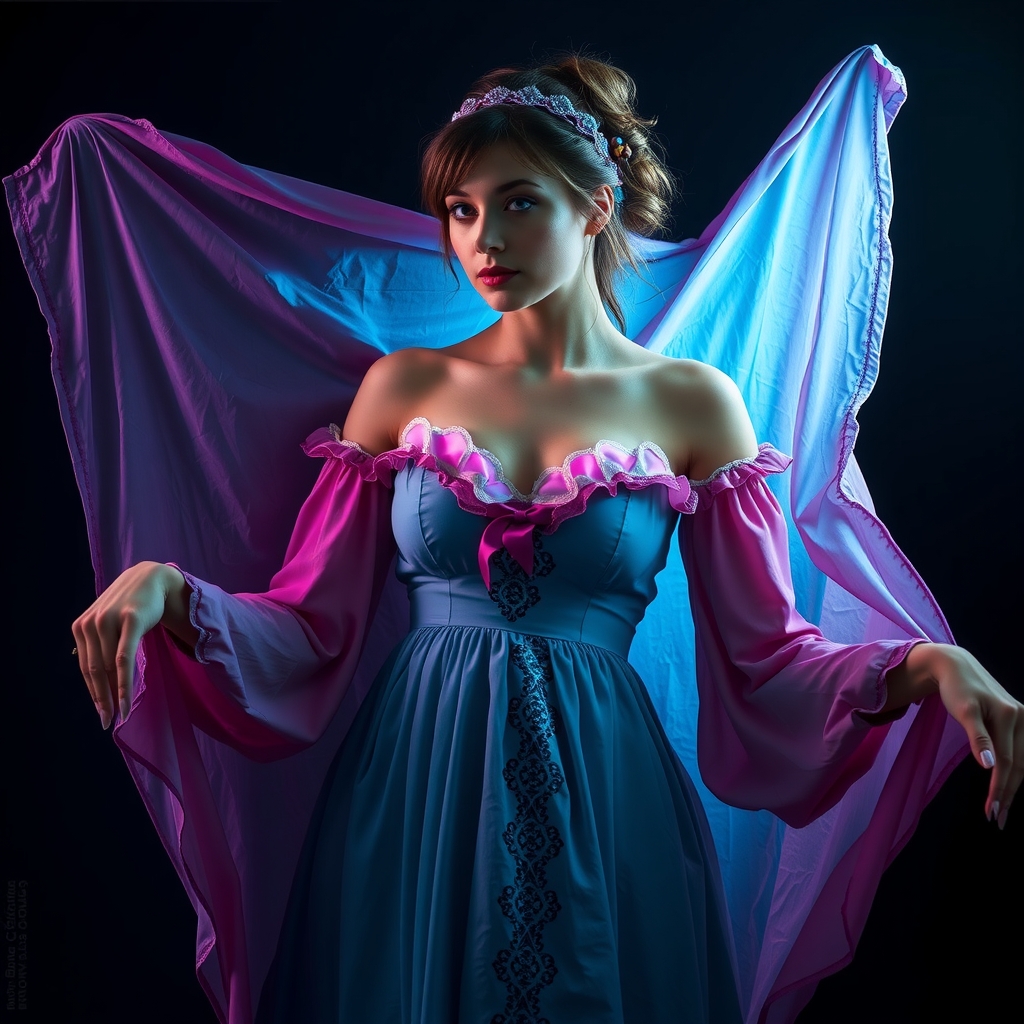
For many cosplayers, the cost of high-quality yardage is a significant barrier to entry. While synthetic blends are common in fast-fashion cosplay, they often lack the drape, breathability, and visual weight required for convincing fantasy attire. Enter the vintage bedsheet: an overlooked goldmine of high-thread-count cotton and linen that provides a professional canvas for a fraction of the cost of new fabric. By combining strategic thrifting with the art of natural dyeing, you can create garments that look like they belong in a royal court or a mystical forest without breaking your budget.
Sourcing the Right Linens
Not every thrift store sheet set is suitable for cosplay. To achieve a "high-fantasy" look, you must prioritize fiber content. Natural dyes bond most effectively with protein fibers (wool, silk) and cellulose fibers (cotton, linen). Synthetic blends, such as polyester-cotton mixes, often result in splotchy or pale colors because the synthetic fibers repel natural pigments.
When hunting for materials, look for the following:
- 100% Cotton Percale: This offers a crisp, matte finish ideal for structured tunics, shirts, and under-layers.
- Linen Blends: Linen provides a rustic, organic texture perfect for peasant wear, rogue attire, or weathered traveling cloaks.
- Vintage Damask: Some older sheets feature woven patterns that add immediate luxury and depth to a garment, mimicking expensive brocades.
- Flat Sheets: Always prioritize flat sheets over fitted ones. The elasticized corners of fitted sheets create awkward cuts in your fabric, reducing the usable surface area.
Before purchasing, perform a "burn test" if you are unsure of the material. A small snippet of cotton will smell like burning paper and leave a fine grey ash; polyester will melt into a hard plastic bead and smell like chemicals.
Preparing the Fabric for Dyeing
Vintage linens carry years of laundry detergents, fabric softeners, and oils, all of which act as "resists" that prevent dye from penetrating the fibers. To ensure an even color, you must strip the fabric.
Begin by washing the sheets in hot water with a heavy-duty detergent, avoiding any fabric softeners. For heavily starched or aged linens, a soak in a solution of soda ash or a professional textile degreaser is recommended. Once cleaned, the fabric should be kept damp before entering the dye bath, as dry fabric is more prone to uneven spotting.
The Role of Mordants
Natural dyes rarely bond to fabric on their own. A mordant is a mineral salt that acts as a bridge between the fiber and the pigment. For cellulose fibers like cotton and linen, the most common method is the "alum" process.
- Alum Soak: Dissolve potassium aluminum sulfate in hot water and simmer the fabric for approximately one hour.
- Tannin Pre-treatment: Because cotton is more difficult to dye than wool, many crafters use a tannin soak (such as gallnut or strong black tea) before the alum. This adds a layer of protein-like structure to the fiber, allowing the dye to take hold more vibrantly.
Creating a Fantasy Palette with Natural Pigments
You do not need expensive chemicals to achieve a sophisticated color palette. Many common kitchen staples and garden finds produce the muted, earthy tones essential for fantasy aesthetics.
Earth Tones and Neutrals
For the "rugged adventurer" look, focus on browns and tans. Onion skins (specifically the papery outer layer) produce a stunning range of golden yellows to deep oranges. Black tea or coffee creates a weathered, parchment-like cream or a soft tan, which is ideal for aging white linens to look like lived-in clothing.
Deep Greens and Yellows
Turmeric provides a vivid, saturated yellow, though it is prone to fading in sunlight. For a more permanent forest green, try using spinach or cabbage, though these often require a copper mordant to shift from yellow to green. For a muted, sage-like hue, look toward eucalyptus leaves.
Pinks and Purples
Avocado pits and skins are a secret weapon for cosplayers. When boiled, they release a surprising amount of soft pink and dusty rose pigment. For deeper purples, red cabbage can be used, though the pH level of your water will dictate the final color; adding a pinch of baking soda can shift the purple toward a blue-green.
Dyeing Techniques for Visual Depth
A solid, flat color can sometimes look "costumy." To make your upcycled linens look like authentic garments, incorporate techniques that create organic variation.
The Mottled Effect
Instead of fully submerging the fabric, try "bundle dyeing." Lay the fabric flat, sprinkle dry pigments or plant matter across the surface, roll it tightly into a cylinder, and steam it. This creates a watercolor effect with organic spots and streaks, perfect for an ethereal elf or a weathered mage.
The Gradient Dip
To achieve an "ombre" or gradient effect—where the hem of a cloak is darker than the shoulders—use the dip-dye method. Submerge the bottom third of the garment in the dye bath for an hour, then lift it slightly and soak the bottom half for another thirty minutes. This mimics the natural staining that occurs when a character walks through mud or forest debris.
Sewing and Finishing for a High-End Look
The final step in transforming a bedsheet into a costume is the construction. Because bedsheets are often thinner than commercial garment fabric, you must use specific sewing strategies to add "weight" and professionalism.
Adding Structure
If your bedsheet is too lightweight for a structured bodice or collar, use interfacing. Iron-on fusible interfacing adds rigidity to the fabric, allowing it to hold a sharp edge or a crisp pleat. For fantasy garments, consider layering your dyed linens over a heavier canvas or linen scrap to create a "double-faced" look that feels substantial.
The Power of Topstitching
To move away from the "homemade" look, use contrasting thread for topstitching. A thick, gold or cream-colored thread used on the seams of a dark green dyed tunic adds a level of detail that suggests craftsmanship. This mimics the hand-stitched quality of historical garments.
Weathering the Finished Piece
Even after dyeing, a fantasy garment should look like it has a history. Use a coarse sandpaper or a wire brush on the hems and cuffs to create slight fraying. A light spray of diluted brown acrylic paint around the bottom edges can simulate the grime of travel, completing the transformation from a household linen to a piece of cinematic costume art.