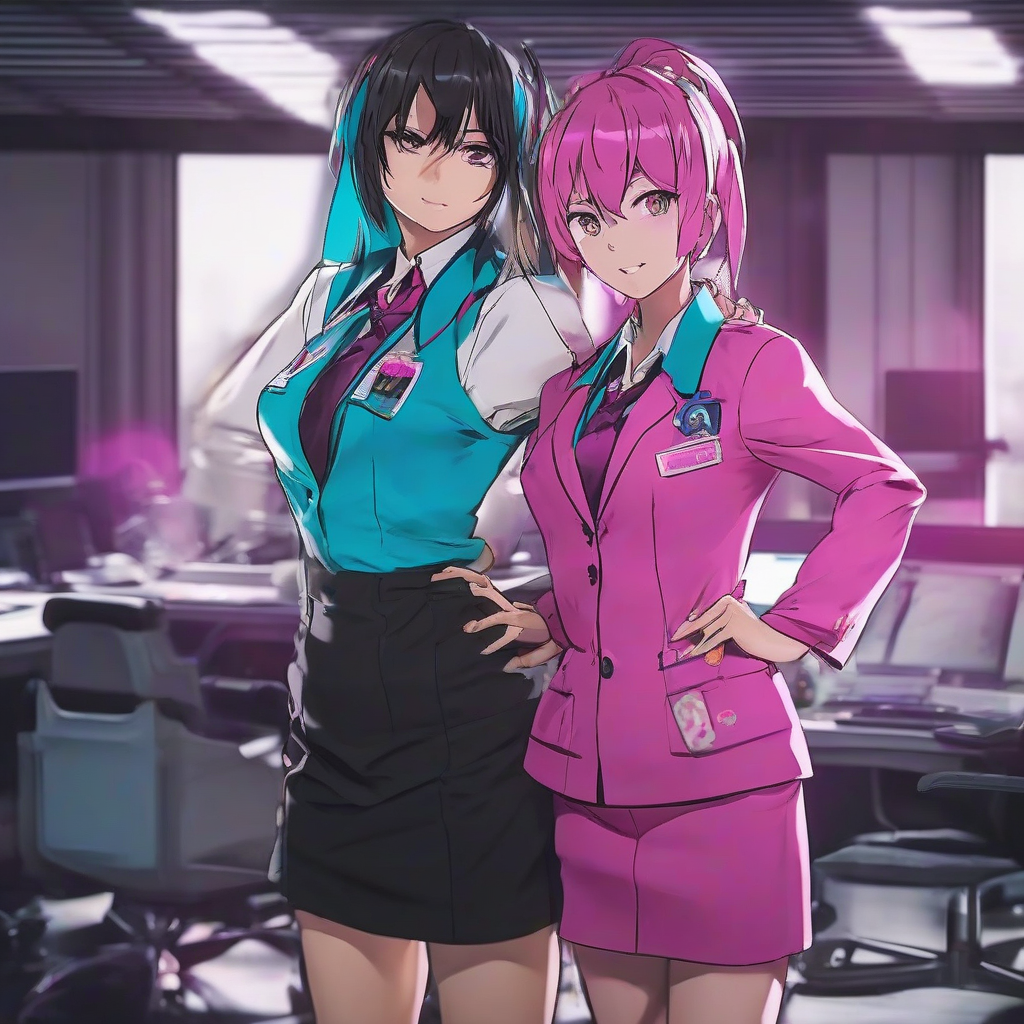
Many anime characters—from the calculating strategists of psychological thrillers to the overworked salarymen of slice-of-life series—wear a variation of the professional business suit. While it is tempting to buy a pre-made costume set, these are often made from thin, shiny polyester that lacks the structure and drape of real professional wear. For the budget-conscious cosplayer, the thrift store is a goldmine for high-quality wools, linens, and blends that provide a more authentic look and better durability.
The Strategic Hunt: What to Look For
When browsing thrift racks, ignore the size tag initially and focus on the fabric and the silhouette. It is significantly easier to take a garment down in size than it is to add fabric. Look for "classic fit" or "traditional fit" rather than "slim fit," as these provide more room for structural alterations.
Fabric Selection
Avoid fabrics with a high synthetic sheen. In anime, professional wear is usually depicted as matte. Look for wool blends, heavy cotton, or gabardine. These materials hold a crease better and look more expensive on camera. If you find a suit in the wrong color, remember that lighter fabrics can often be dyed, though deep blacks and navy blues are best sourced in their final shade to avoid patchy results.
The Component Checklist
- The Blazer: Look for structured shoulders. Even if the sleeves are too long, a strong shoulder line defines the "office" silhouette.
- The Trousers: Prioritize a high waist. Many anime characters have a very clean line from the waist to the shoe, which is achieved by wearing trousers at the natural waist rather than the hips.
- The Button-Down: Opt for 100% cotton. Synthetic blends tend to wrinkle poorly and can look "costumy" under convention lighting.
The Art of the Alteration
A thrifted suit rarely fits perfectly off the rack. The difference between a "costume" and a "cosplay" often lies in the tailoring. You do not need to be a master tailor to make a few high-impact changes.
Taming the Sleeves and Hems
Long sleeves are the most common issue with thrifted blazers. To shorten them, you can use a simple hem stitch or, for those without a sewing machine, high-quality iron-on hem tape. Ensure the sleeve ends exactly where your wrist meets your palm. For trousers, a "break" (the fold of fabric where the pant hits the shoe) should be minimal for a sharp, modern anime look. Aim for a slight break or a "no-break" look where the fabric just touches the top of the shoe.
Defining the Waist
Many thrifted blazers are boxy. To create the tapered look common in character designs, you can add simple darts to the back of the jacket. By sewing two vertical seams from the mid-back toward the waist, you pull the fabric closer to the body, creating a more dynamic silhouette without needing to reconstruct the entire garment.
Color Correction and Customization
If you find a suit with the perfect fit but the wrong shade, you have several options to bring it closer to the character's palette.
Dyeing Professional Fabrics
If the garment is a light-colored natural fiber (like cotton or wool), textile dyes can be used to shift the color. Always test a small, hidden area first. Be aware that stitching is often done with polyester thread, which does not take dye; this can result in a garment where the fabric changes color but the seams remain the original shade, creating a subtle contrast effect.
Replacing Hardware
One of the fastest ways to elevate a thrifted suit is to replace the buttons. Cheap plastic buttons are a giveaway of a budget garment. Replacing them with matte horn, metal, or fabric-covered buttons can completely change the vibe of the outfit. Match the buttons to the character's specific design—for example, using gold buttons for a more authoritative or military-inspired office look.
Styling for Character Accuracy
The suit is the foundation, but the styling is what tells the audience who the character is. Small details signal the character's personality and status.
The Tie and Collar
The knot of the tie can convey a lot about a character. A tight, symmetrical Windsor knot suggests a character who is rigid, professional, or anxious. A looser, slightly skewed knot suggests a character who is exhausted, rebellious, or nonchalant. If the character doesn't wear a tie, ensure the collar of the shirt is stiff. You can use adhesive collar stays to keep the points from curling, maintaining that crisp, "fresh-out-of-the-dry-cleaners" look.
Layering and Accessories
Consider the "lived-in" feel of the character. Does the character wear a cardigan under their blazer? Do they have a specific pocket square or a ID badge clipped to the pocket? These small additions break up the monotony of a solid-colored suit and add layers of visual interest that make the cosplay feel researched and complete.
Maintenance and Convention Care
A sharp suit only looks sharp if it is pressed. The enemy of office wear is the "suitcase wrinkle."
The Power of the Steamer
Invest in a handheld garment steamer. Unlike an iron, which can burn synthetic blends or leave "shiny" marks on dark wool, a steamer relaxes the fibers without direct contact. Steam your suit the night before the event and hang it on a wide, padded hanger to maintain the shoulder shape.
On-the-Go Touch-ups
During a convention, sitting down for long periods can create creases in the lapels and thighs. To combat this, avoid sitting fully back in chairs if possible, or use a small travel-sized lint roller to keep the fabric pristine, especially if you are wearing a dark suit that attracts dust and fibers from other cosplayers' costumes.
Final Checklist for the Budget Builder
Before heading out, perform a final check to ensure the "thrifted" nature of the suit is invisible. Check for loose threads, ensure all buttons are secure, and verify that the trousers are not bunching at the ankles. By focusing on fit and fabric rather than brand names, you can create a professional, high-end look that rivals expensive commissions while keeping your budget intact.