
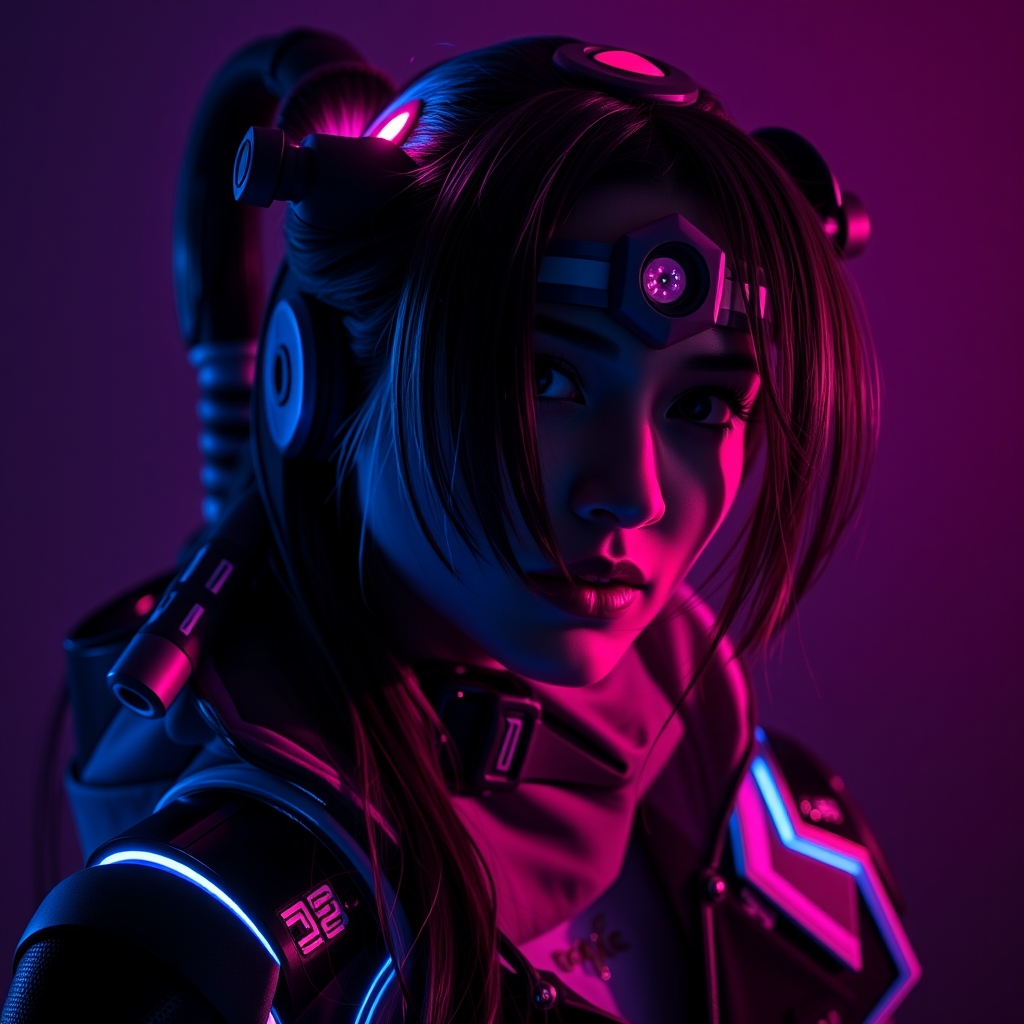
Introduction to Interactive LED Cosplay
As cosplayers continue to push the boundaries of creativity and innovation, incorporating interactive elements into costumes and props has become increasingly popular. One of the most effective ways to add an extra layer of realism and visual interest to your cosplay is through the strategic use of LED lights. In this guide, we'll explore the basics of working with LED lights, discuss various techniques for creating interactive effects, and provide valuable tips for integrating these elements into your next cosplay project.
Understanding the Basics of LED Lights
Before diving into the world of interactive LED cosplay, it's essential to understand the fundamentals of LED lights and how they work. LEDs, or Light Emitting Diodes, are semiconductor devices that emit light when an electric current passes through them. They come in a variety of colors, sizes, and shapes, making them versatile for a range of applications. When working with LEDs, it's crucial to consider factors such as voltage, current, and polarity to ensure safe and efficient operation.
Choosing the Right LED Lights for Your Project
Selecting the right LED lights for your cosplay project depends on several factors, including the desired effect, color scheme, and power source. Some common types of LED lights used in cosplay include:
- SMD LEDs (Surface Mount Device): small, versatile, and easy to integrate into costumes and props
- COB LEDs (Chip on Board): provide high-intensity lighting and are often used for creating bold, uniform effects
- WS2812B LEDs (Addressable LEDs): programmable and can be used to create complex, interactive patterns
Designing and Building Interactive LED Effects
Once you've chosen the right LED lights for your project, it's time to start designing and building your interactive effects. Here are some techniques to get you started:
Simple On/Off Effects: Use a basic circuit with a switch or a microcontroller to control the LED lights. This can be used to create simple effects like blinking lights or a pulsing heartbeat.
Color-Changing Effects: Utilize RGB LEDs or addressable LEDs like WS2812B to create dynamic color-changing effects. This can be achieved through programming or using a color-changing module.
Motion-Activated Effects: Incorporate motion sensors or accelerometers to trigger LED effects in response to movement. This can add an extra layer of interactivity to your cosplay.
Tips for Integrating LED Lights into Your Cosplay
When integrating LED lights into your cosplay, keep the following tips in mind:
- Plan Ahead: Consider the power source, wiring, and LED placement during the design phase to avoid last-minute complications.
- Use Diffusers and Filters: Apply diffusers or filters to soften and distribute the light, creating a more even and visually appealing effect.
- Secure Wiring: Ensure that wiring is secure, hidden, and protected from damage to prevent electrical issues or safety hazards.
- Test and Iterate: Test your LED effects and make adjustments as needed to achieve the desired outcome.
Advanced Techniques and Considerations
As you become more comfortable working with LED lights, you can explore advanced techniques to take your cosplay to the next level:
Microcontrollers and Programming: Use microcontrollers like Arduino or Raspberry Pi to create complex, programmable effects and interactive patterns.
Battery Life and Power Management: Consider power consumption and battery life when designing your LED effects, and use techniques like PWM (Pulse Width Modulation) to optimize power usage.
Safety Precautions: Always follow proper safety guidelines when working with electronics, and ensure that your LED effects do not pose a risk to the wearer or others.
Conclusion
By incorporating interactive LED lights into your cosplay creations, you can add an extra layer of realism, visual interest, and engagement. With a solid understanding of the basics, a little creativity, and some practical tips, you can elevate your craft and take your cosplay to new heights. Whether you're a seasoned pro or just starting out, we hope this guide has provided valuable insights and inspiration for your next project.