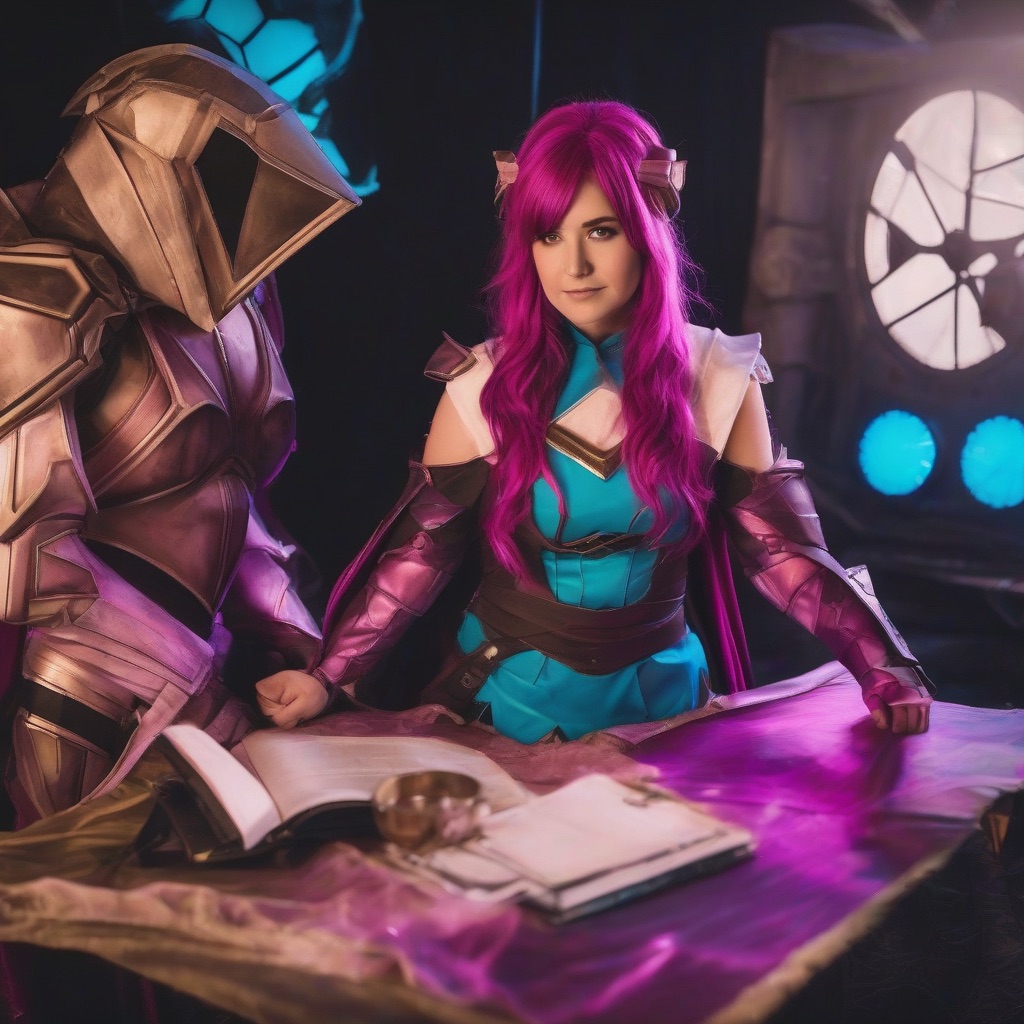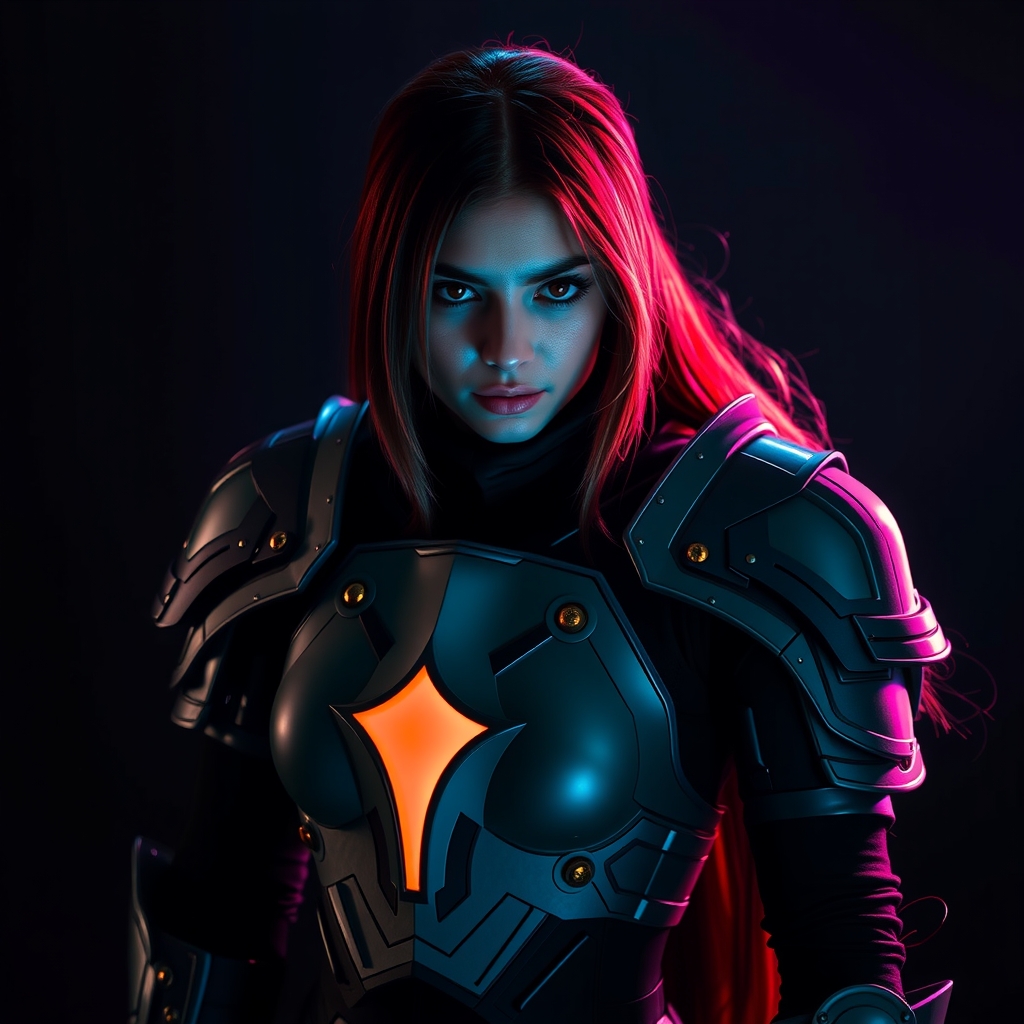

As a cosplayer, you've invested countless hours into crafting an intricate costume, perfecting your character's makeup, and rehearsing your poses. However, the final product – the photograph – can often be just as dependent on the photographer's skills as your own. In this article, we'll explore the essential lighting and posing techniques to help you and your photographer collaborate and capture stunning, professional-grade shots.
Understanding Lighting Basics
Lighting is one of the most critical elements in photography. It can make or break the mood, texture, and overall aesthetic of your image. There are several types of lighting, but for cosplay photography, you'll typically work with natural light, continuous lighting, or strobe lighting. Natural light is ideal, but it's not always available or consistent. Continuous lighting, such as LED panels or softboxes, provides a constant light source, while strobe lighting offers a burst of light for a split second.Key Lighting Techniques for Cosplay
When working with light, keep the following techniques in mind:- Softbox effect: Use a diffuser or softbox to soften harsh light and reduce shadows. This technique helps create a more flattering, even illumination.
- Backlighting: Position the light source behind your character to create a beautiful rim of light around their edges, separating them from the background.
- Fill light: Use a secondary light source to fill in shadows and add depth to your image.
Posing for Success
Posing is an art that requires practice, patience, and understanding of your character's personality. Here are some essential posing tips:- Relax and breathe: Take deep breaths and relax your muscles. A tense pose can look stiff and unnatural.
- Experiment with angles: Don't be afraid to try different angles and poses. Experimentation can lead to unique and captivating shots.
- Engage with the character: Connect with your character's emotions and personality. This will help you convey their story and attitude through your poses.
Collaborating with Your Photographer
Communication is key when working with a photographer. Make sure to discuss your character's personality, pose ideas, and any specific shots you want to achieve. Provide your photographer with reference images and discuss the lighting setup and style you're aiming for.Tips for Working with Different Lighting Setups
When working with different lighting setups, keep the following tips in mind:- Natural light: Shoot near a window or outside during the golden hour (the hour just before sunset) for soft, warm light.
- Continuous lighting: Adjust the light's intensity and color temperature to match your desired mood and atmosphere.
- Strobe lighting: Use a slower shutter speed to capture the strobe effect, or work with a faster shutter speed to freeze the moment.