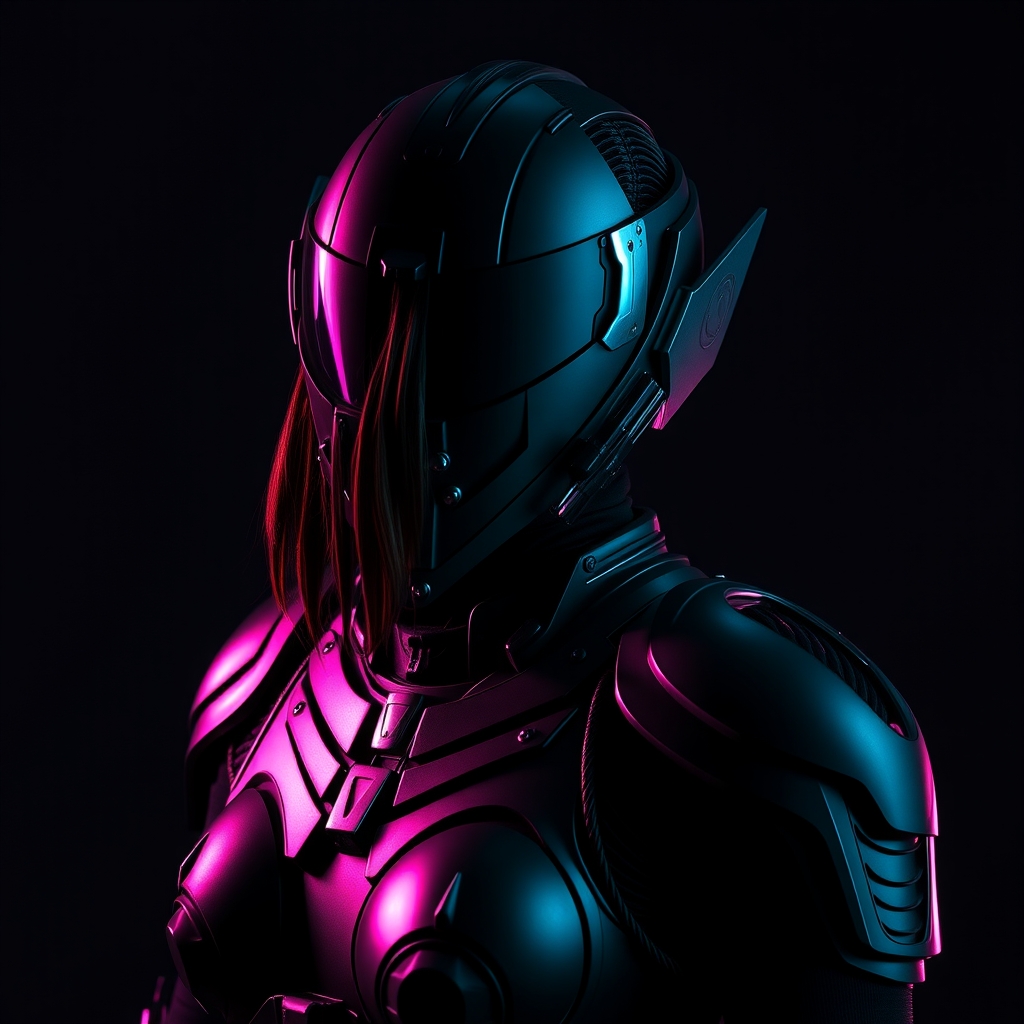

Introduction to Metal Etching
Metal etching is a versatile technique used to create intricate designs, patterns, and textures on metal surfaces. In the context of cosplay, acid etching is a popular method for adding detailed designs to armor, props, and accessories. This guide will walk you through the step-by-step process of mastering metal etching, specifically acid etching, to help you achieve professional-looking results.
Understanding the Acid Etching Process
Acid etching involves using a strong acid to dissolve and remove metal from a surface, creating a design or pattern. The process requires careful preparation, safety precautions, and attention to detail. The basic steps involved in acid etching are:
- Preparing the metal surface
- Applying a resist or mask
- Etching with acid
- Neutralizing and cleaning the metal
Preparing the Metal Surface
Before etching, it's essential to prepare the metal surface. This includes:
- Cleaning the metal thoroughly with soap and water to remove any dirt, oils, or residue
- Sanding the metal to create a smooth surface
- Degreasing the metal with a solvent to remove any remaining oils or residue
A well-prepared surface ensures a smooth etching process and helps prevent defects.
Applying a Resist or Mask
A resist or mask is applied to the metal surface to protect areas from the acid and create the desired design. There are various types of resists, including:
- Lithographic film
- Photoresist
- Etching tape
- Paint or marker
The resist is applied according to the manufacturer's instructions, and the design is created using a technique such as drawing, printing, or photography.
Etching with Acid
The acid etching process involves submerging the metal into a bath of acid, usually ferric chloride or nitric acid, to dissolve and remove the metal. The acid is carefully poured into a well-ventilated area, and the metal is slowly lowered into the bath. The etching time varies depending on the acid strength, metal type, and desired depth.
It's crucial to monitor the etching process closely, as over-etching can lead to defects or damage to the metal.
Neutralizing and Cleaning the Metal
After etching, the metal is removed from the acid bath and neutralized with a base, such as baking soda or water, to stop the etching process. The metal is then thoroughly cleaned with soap and water to remove any residue.
Post-etching, the resist or mask is removed, and the metal is inspected for any defects or imperfections.
Tips and Safety Precautions
When working with acid etching, it's essential to follow safety guidelines:
- Work in a well-ventilated area, away from skin and eyes
- Wear protective gear, including gloves, goggles, and a face mask
- Handle acids with care, as they can cause severe burns and damage
- Follow the manufacturer's instructions for acid and resist usage
Additionally, consider the following tips:
- Start with small, simple projects to gain experience and build confidence
- Experiment with different acids, resists, and techniques to achieve unique effects
- Keep the workspace clean and organized to prevent accidents and contamination
Conclusion and Further Resources
Mastering metal etching with acid etching requires patience, practice, and attention to detail. By following this guide and taking necessary safety precautions, you can create intricate designs and textures on your cosplay armor, elevating your craft to the next level.
For further learning and inspiration, consider exploring online resources, tutorials, and communities dedicated to metal etching, prop making, and cosplay:
- Online forums and discussion groups
- Prop making and cosplay communities
- Metalworking and etching tutorials