Introduction to Shibori
Shibori is a traditional Japanese technique of resist dyeing fabric, which involves folding, twisting, or pleating fabric to create resistance areas that prevent dye from penetrating evenly. This ancient art form has been used for centuries to create beautiful, intricate patterns on fabric. In the context of cosplay, shibori can be used to add realistic textures and visual interest to costumes, props, and accessories.
Understanding the Basics of Shibori
Before diving into shibori, it's essential to understand the basic principles of the technique. Shibori involves manipulating fabric to create resistance areas, which can be achieved through various methods, including:
- Folding: Folding fabric into accordion-like pleats or sharp creases creates resistance areas that resist dye.
- Twisting: Twisting fabric while it's folded or pleated creates unique, spiral patterns.
- Pleating: Pleating fabric creates a series of folds that resist dye, resulting in intricate, textured patterns.
- Binding: Binding fabric with thread or yarn creates resistance areas that resist dye.
Preparing Fabric for Shibori
To achieve the best results with shibori, it's crucial to prepare your fabric properly. Here are some tips:
Choose the right fabric: Natural fibers like cotton, silk, and wool work well with shibori, while synthetic fibers may not take the dye as well.
Pre-wash and dry fabric: Pre-washing and drying fabric ensures it's clean and free of finishes that may affect the dye.
Use the right dye: Choose a dye that's suitable for your fabric type and the desired color intensity.
Basic Shibori Techniques for Cosplay
Here are some basic shibori techniques that can be used in cosplay:
- Knotting: Knotting fabric creates small, rounded resistance areas that can be used to create textured, organic patterns.
- Accordion folding: Folding fabric into accordion-like pleats creates a series of sharp, linear resistance areas.
- Twist and bind: Twisting fabric while it's folded or pleated and binding it with thread or yarn creates unique, spiral patterns.
Creating Realistic Anime Textures with Shibori
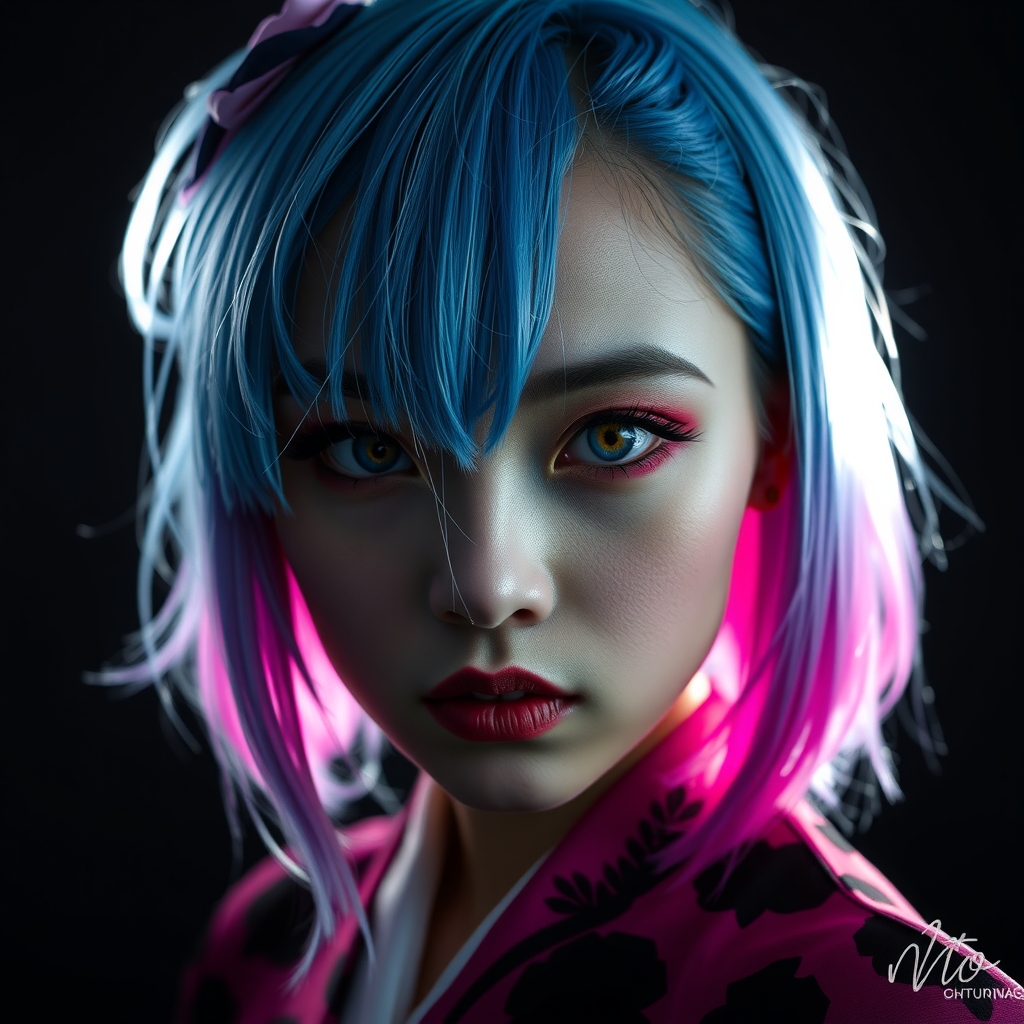
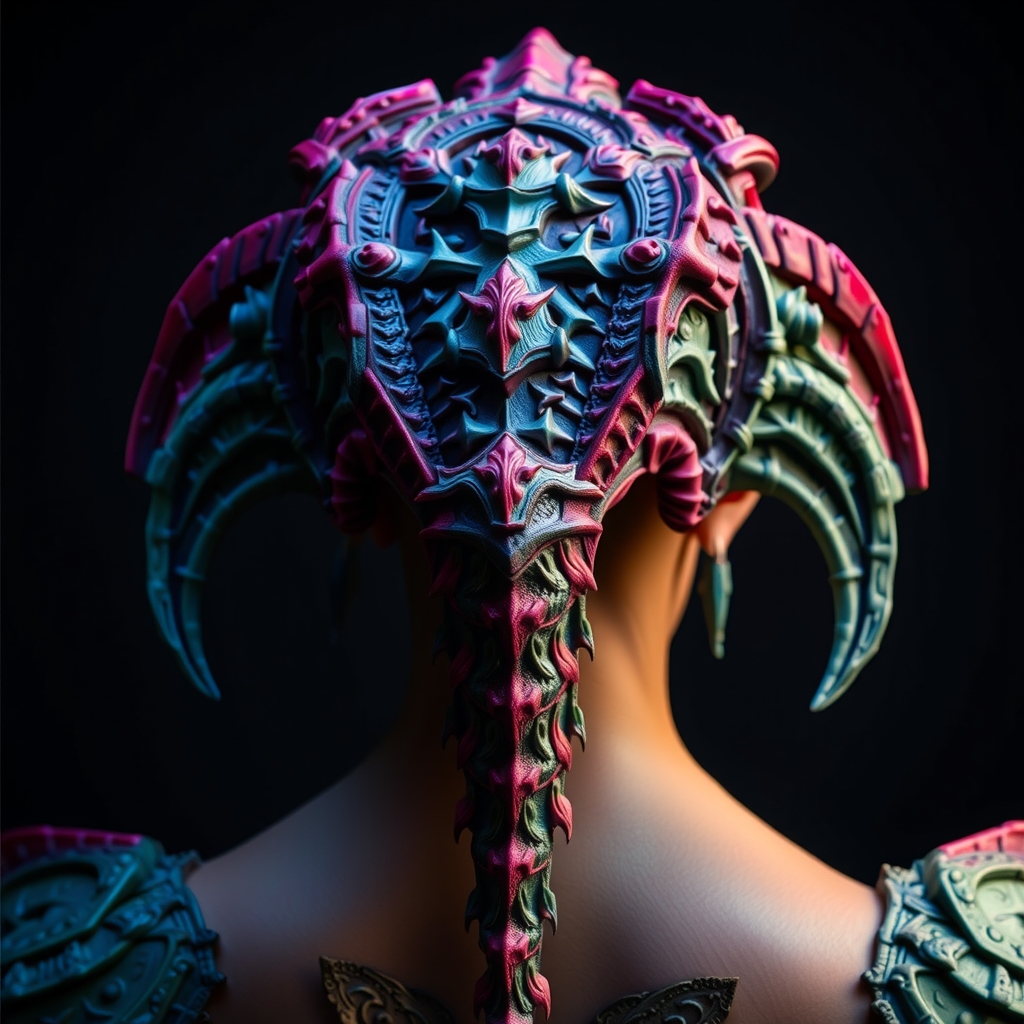
Shibori can be used to create a wide range of realistic anime textures, from the intricate patterns on a kimono to the textured armor of a fantasy creature. Here are some tips for creating realistic anime textures with shibori:
Study reference images: Study reference images of the character or creature you're trying to recreate to get a sense of the textures and patterns used.
Experiment with different techniques: Experiment with different shibori techniques to achieve the desired textures and patterns.
Combine shibori with other techniques: Combine shibori with other techniques, such as painting or appliqué, to add depth and visual interest to your design.
Tips and Tricks for Mastering Shibori
Here are some tips and tricks for mastering shibori:
- Practice, practice, practice: Shibori takes practice, so don't be discouraged if your first attempts don't turn out as expected.
- Use the right tools: Use the right tools, such as folding boards and binding threads, to achieve the desired effects.
- Be patient: Shibori can be a time-consuming process, so be patient and enjoy the journey.
Conclusion
Shibori is a versatile and rewarding technique that can add unique, realistic textures to your cosplay creations. With practice and patience, you can master the basics of shibori and take your cosplay to the next level. Whether you're a seasoned cosplayer or just starting out, shibori is a technique worth exploring.