
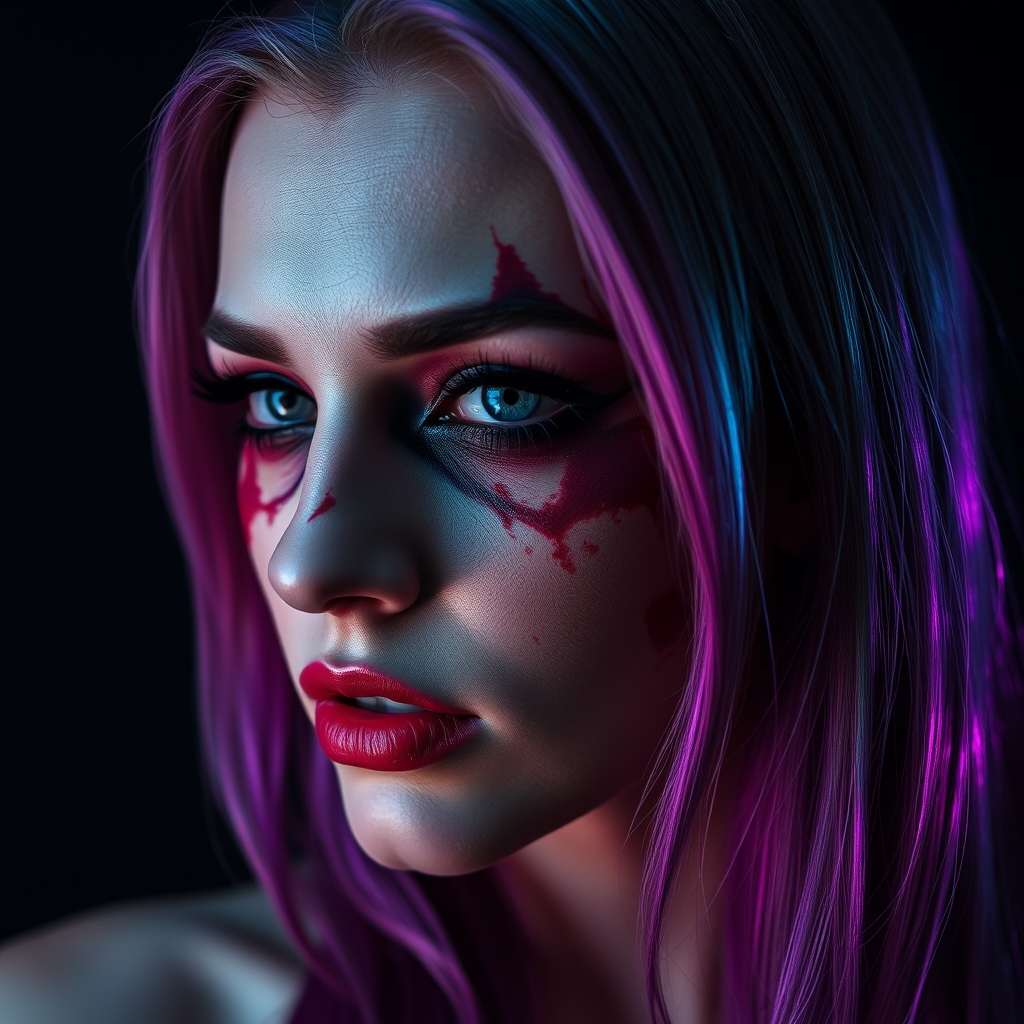
Introduction to Cosplay Makeup
Cosplay makeup is an essential part of bringing a character to life. While a well-crafted costume can make a great first impression, it's the details that truly make a character stand out. One of the most effective ways to add depth and realism to a cosplay is through the use of special effects makeup, particularly when it comes to creating wounds and scars.
Understanding the Basics of Special Effects Makeup
Special effects makeup, also known as SFX makeup, involves using various techniques and materials to create realistic injuries, wounds, and scars on the skin. This type of makeup requires some skill and practice, but with the right guidance, beginners can achieve professional-looking results.
The key to creating realistic wounds and scars is to understand the anatomy of the skin and how it reacts to injuries. This includes knowing how different types of wounds heal, the colors and textures of various skin conditions, and how to replicate these effects using makeup.
Materials Needed
- Liquid latex or pros-aide
- Scar wax or putty
- Makeup palette with various shades of blood, bruising, and skin tones
- Makeup brushes and sponges
- Powder and setting spray
Step-by-Step Guide to Creating Realistic Wounds
Creating realistic wounds requires attention to detail and a bit of creativity. Here's a step-by-step guide to get you started:
- Prep the Skin: Before applying any makeup, make sure the skin is clean and dry. Remove any oils or lotions, as these can interfere with the adhesion of the makeup.
- Create the Wound Shape: Use liquid latex or pros-aide to create the shape of the wound. You can also use scar wax or putty to add depth and dimension.
- Add Color and Texture: Use a makeup palette to add color and texture to the wound. Start with a base layer of blood or bruising, and then add layers of skin tones to create a realistic effect.
- Blend the Edges: Use a makeup brush or sponge to blend the edges of the wound into the surrounding skin. This will help create a seamless transition and prevent the wound from looking too obvious.
- Set with Powder: Once you've achieved the desired effect, set the makeup with powder to prevent smudging or smearing.
Tips and Tricks for Creating Realistic Scars
Creating realistic scars requires a bit more finesse than wounds, but with practice, you can achieve professional-looking results. Here are some tips and tricks to keep in mind:
- Use Reference Images: Reference images of real scars or wounds can help you get a better understanding of the colors, textures, and shapes you're trying to replicate.
- Layering is Key: Building up layers of makeup is essential for creating realistic scars and wounds. Start with a base layer and then add layers of color and texture.
- Don't Forget the Details: Adding small details, such as blood vessels or texture, can make a big difference in creating a realistic effect.
Common Mistakes to Avoid
As a beginner, it's easy to make mistakes when creating realistic wounds and scars. Here are some common mistakes to avoid:
- Over-Application: Too much makeup can look obvious and fake. Start with a light hand and build up layers as needed.
- Poor Blending: Failing to blend the edges of the wound or scar into the surrounding skin can make it look obvious and fake.
- Insufficient Setting: Failing to set the makeup with powder or setting spray can cause it to smudge or smear.
Conclusion
Creating realistic wounds and scars for cosplay requires practice, patience, and attention to detail. By following these steps and tips, beginners can achieve professional-looking results and take their cosplay to the next level. Remember to always use reference images, layer your makeup, and pay attention to details to create realistic effects that will impress even the most discerning fans.