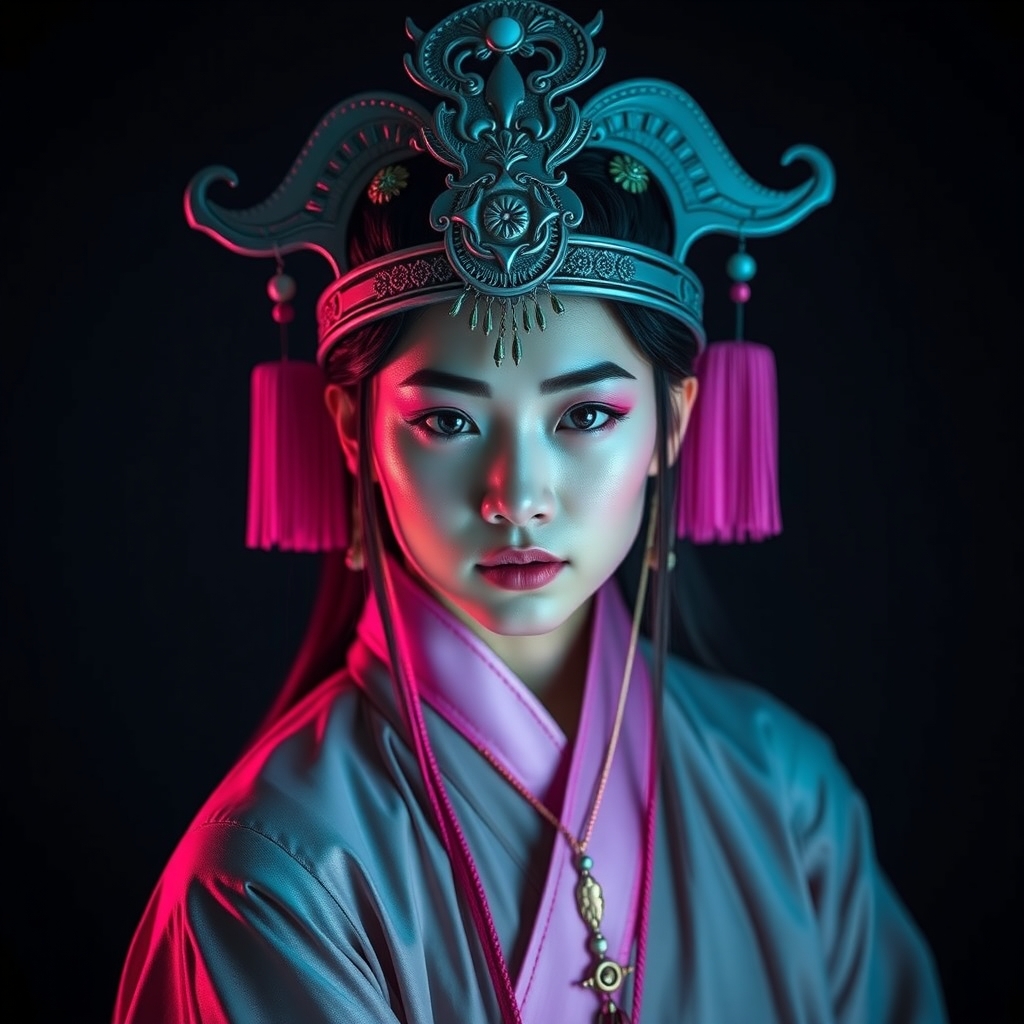
The Bongeunsa Temple in Seoul serves as a striking juxtaposition of ancient Buddhist tradition and the hyper-modern skyline of Gangnam. When the temple hosts its Shaman Festival and associated cosplay gatherings, it creates one of the most visually stunning environments for photographers and creators. However, cosplaying in a functioning religious site requires a different approach than attending a convention center. To ensure your experience is respectful and your photos are professional, you must balance creative expression with cultural mindfulness.
Understanding the Environment
Bongeunsa is not merely a backdrop; it is an active place of worship and meditation. During the Shaman Festival, the atmosphere is charged with spiritual significance, featuring colorful ritual garments, incense, and traditional music. For a cosplayer, this means the environment is "live." You will be sharing space with monks, practitioners, and visitors who are there for prayer.
The visual appeal of the temple lies in its architecture—deep red pillars, intricate eaves, and expansive stone courtyards. These elements provide a neutral yet rich palette that complements a wide variety of character designs, from traditional East Asian aesthetics to high-fantasy armor. The key to success here is recognizing that the temple's sanctity takes precedence over the photo shoot.
Costume Selection and Modification
While the event encourages creativity, certain costume choices are more appropriate than others in a temple setting. The goal is to avoid attire that could be perceived as overtly offensive or disruptive to the spiritual atmosphere.
Modesty and Coverage
Traditional Korean temples generally appreciate modesty. If your character design features significant skin exposure, consider incorporating subtle modifications. Using skin-toned liners, modesty panels, or lightweight wraps can help you adhere to the spirit of the location without compromising the silhouette of your character.
Material Considerations
The terrain at Bongeunsa consists of gravel paths, stone stairs, and wooden platforms. Avoid extremely long trains or oversized skirts that may drag across sacred areas or trip you during movement. If your costume includes heavy armor or large wings, ensure you have a "handler" to help you navigate tight corridors and prevent accidental damage to the temple structures.
Color Palettes
To make your photos pop, consider the color theory of the temple. The dominant colors are crimson, gold, and natural wood. Characters with complementary colors—such as deep blues, greens, or stark whites—will stand out vividly against the architecture. Conversely, characters in warm tones will blend harmoniously into the scene, creating a more organic, atmospheric look.
Etiquette for the Respectful Cosplayer
Maintaining a positive relationship between the cosplay community and the temple administration is vital for the longevity of these events. Following a few simple rules ensures that you are welcomed back.
- Respect the Prayer Areas: Never pose directly in front of people praying or block the entrance to the main halls. If a ritual is occurring, keep a respectful distance and lower your voice.
- Mind the Boundaries: Do not climb on walls, altars, or statues for the sake of a "better angle." Many of these structures are fragile or hold deep religious significance.
- Manage Your Gear: Large tripods and lighting rigs can be hazardous in crowded temple courtyards. Use compact equipment where possible, and always be mindful of the flow of pedestrian traffic.
- Noise Control: While excitement is natural, avoid shouting or playing loud music. The temple is a place of serenity, and maintaining a calm demeanor reflects well on the entire cosplay community.
Photography Strategies for Temple Settings
Capturing the essence of Bongeunsa requires a strategy that utilizes the natural light and the scale of the architecture.
Utilizing Natural Framing
The temple is filled with "natural frames"—gateways, pillars, and overhanging eaves. Position your subject within these frames to create depth in your images. This technique draws the viewer's eye toward the cosplayer while still showcasing the stunning environment.
Lighting and Timing
The golden hour—shortly after sunrise or before sunset—is ideal for temple photography. The low angle of the sun highlights the textures of the wooden carvings and casts a soft glow on the costumes. During the Shaman Festival, the presence of lanterns and candles can provide excellent ambient lighting for moodier, more cinematic shots.
Composition and Scale
To emphasize the grandeur of the temple, use wide-angle shots that place the cosplayer in the lower third of the frame, allowing the massive temple roofs to dominate the upper portion. Conversely, tight portraits against the detailed patterns of the temple walls can create an intimate, focused look that highlights the craftsmanship of the costume.
Logistics and Preparation
Planning your day at Bongeunsa requires more foresight than a standard convention visit, as there are fewer amenities for costume changes.
- Arrival and Dressing: It is highly recommended to arrive at the venue already dressed or use a nearby hotel/rental space for changes. Public restrooms are available but are not designed for complex costume transitions.
- Hydration and Energy: Walking through the temple grounds in full gear can be exhausting. Carry a small, discreet bag with water and quick energy snacks.
- Weather Readiness: Seoul's weather can be unpredictable. Bring a clear umbrella or a neutral-colored cloak to protect your costume from sudden rain without ruining the aesthetic of your photos.
- Communication: If you are working with a photographer, establish a "shot list" beforehand. This prevents you from wandering aimlessly and reduces the time spent occupying high-traffic areas of the temple.
Integrating with the Shaman Festival
The Shaman Festival is a vibrant part of the experience. While you are there as a cosplayer, taking a moment to appreciate the traditional shamanic rituals adds depth to your visit. Observe the colors and movements of the practitioners; you may find inspiration for future costume designs or posing styles. By treating the festival as a cultural exchange rather than just a photo opportunity, you contribute to a respectful and inclusive environment for everyone involved.