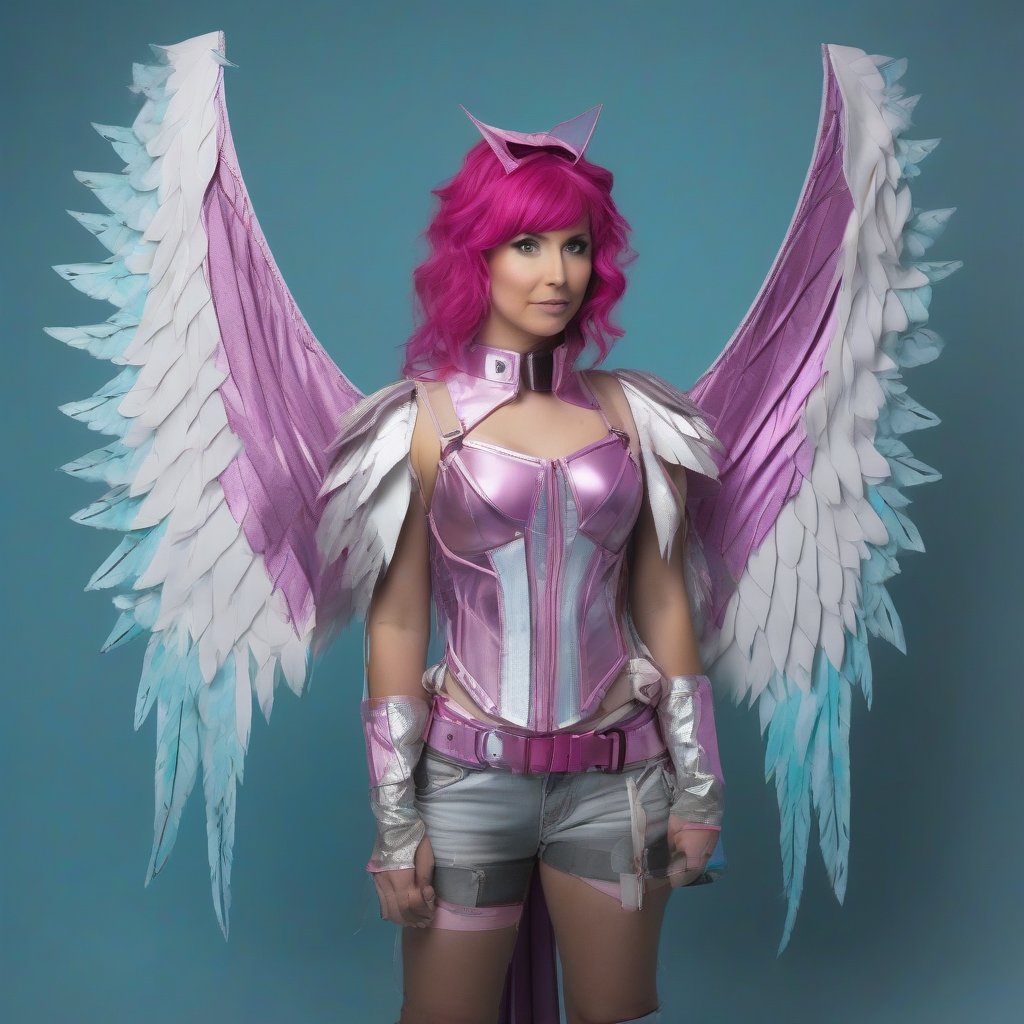
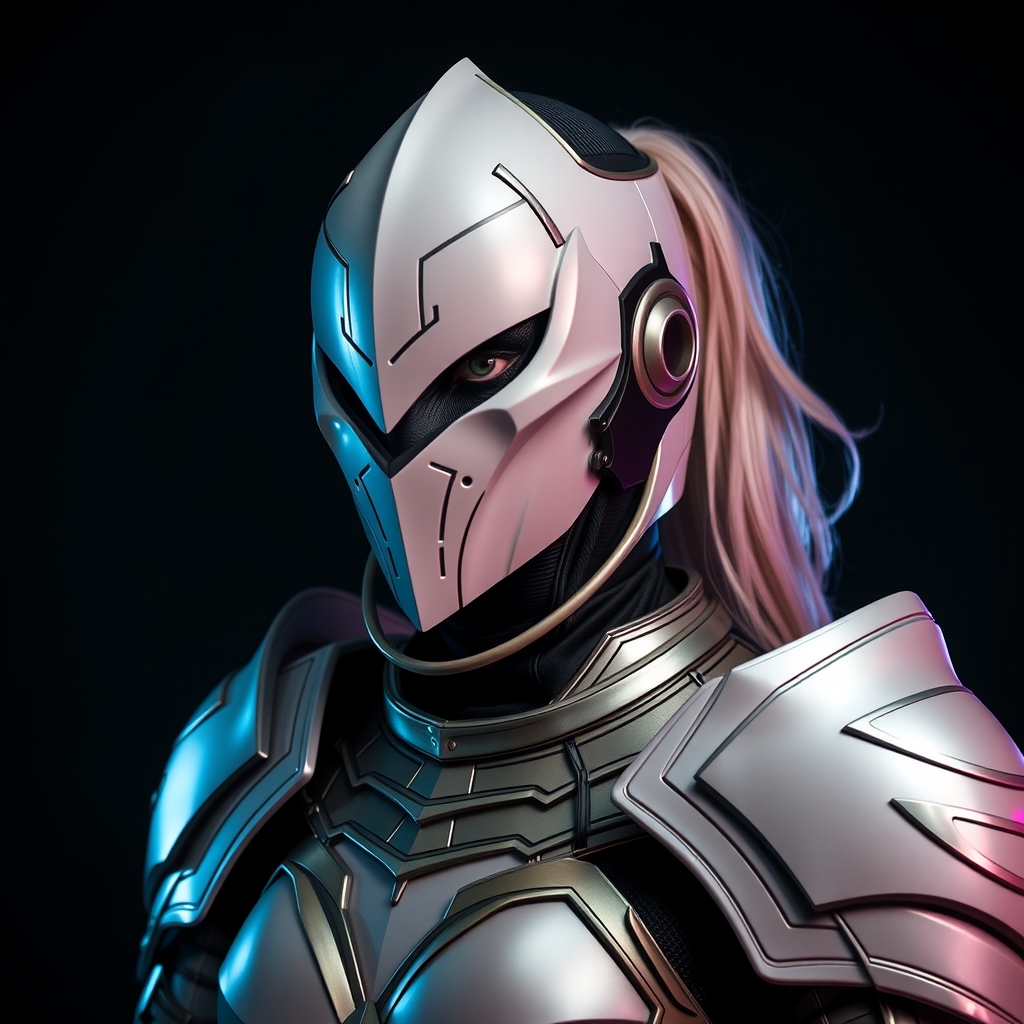
Introduction to Wearable Cosplay Armor
Creating wearable cosplay armor can be a daunting task, but with the right materials and techniques, it can be a rewarding and achievable project. Foam and Worbla are popular choices among cosplayers and prop makers for creating durable, lightweight, and detailed armor pieces. In this guide, we'll walk you through the step-by-step process of designing and crafting wearable cosplay armor using foam and Worbla.Designing Your Armor
Before you start crafting, it's essential to have a clear design concept in mind. Research your character's armor, gather reference images, and sketch out your design ideas. Consider the following factors:- Character's personality and background
- Armor's purpose and functionality
- Materials and textures
- Comfort and mobility
Choosing the Right Foam
For wearable cosplay armor, you'll want to use a type of foam that's sturdy, yet lightweight and flexible. Some popular options include:- High-density foam (HD foam)
- Expanded polyethylene (EPE) foam
- Polyurethane foam
Working with Foam
Once you've chosen your foam, it's time to start shaping and crafting your armor pieces. Here are some essential tools and techniques to get you started:- Hot wire foam cutter: for cutting and shaping foam
- Foam sanding block: for smoothing out rough edges
- Adhesives: such as contact cement or epoxy
- Paint and finishing techniques: for adding color and texture
Applying Worbla
Worbla is a thermoplastic material that's often used in conjunction with foam to create durable, rigid, and detailed armor pieces. To apply Worbla, follow these steps:- Prepare your foam surface: clean and smooth out the area where you'll be applying Worbla
- Cut and shape Worbla: use a heat gun or Worbla-specific tools to shape and cut the material
- Apply Worbla: use heat and pressure to bond Worbla to your foam surface
- Shape and mold Worbla: use tools and techniques to create detailed textures and shapes
Finishing and Assembly
Once you've crafted your armor pieces, it's time to assemble and finish them. Here are some final steps to consider:- Assembly: use adhesives, screws, or other fasteners to assemble your armor pieces
- Painting and finishing: add color, texture, and details to your armor
- Weathering and aging: add wear and tear to your armor for a more realistic look
- Comfort and mobility: ensure your armor is comfortable and allows for ease of movement
Conclusion
Creating wearable cosplay armor with foam and Worbla requires patience, skill, and attention to detail. By following these steps and techniques, you can create stunning, durable, and wearable armor pieces that will elevate your cosplay game. Remember to stay safe, have fun, and be creative!For more information on cosplay armor crafting, check out online resources such as Cosplay.com and Instructables.com.