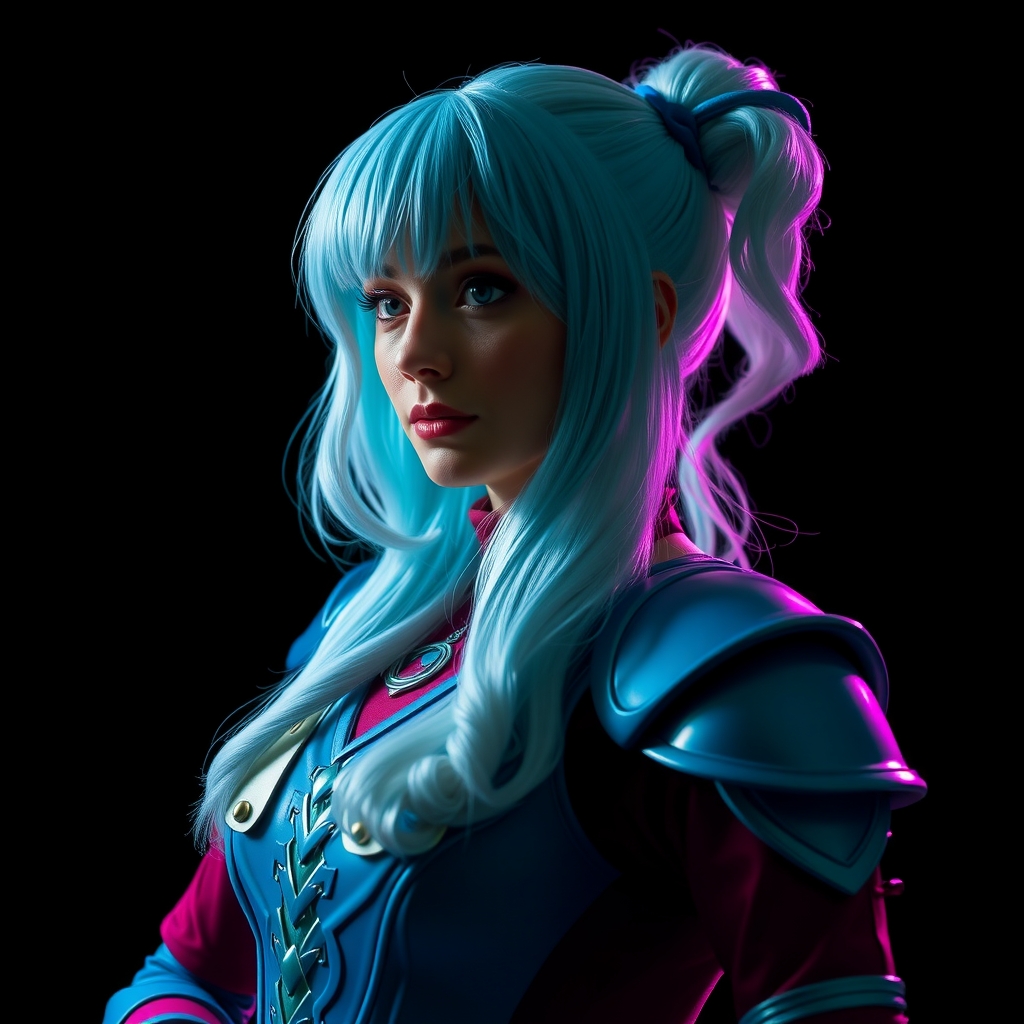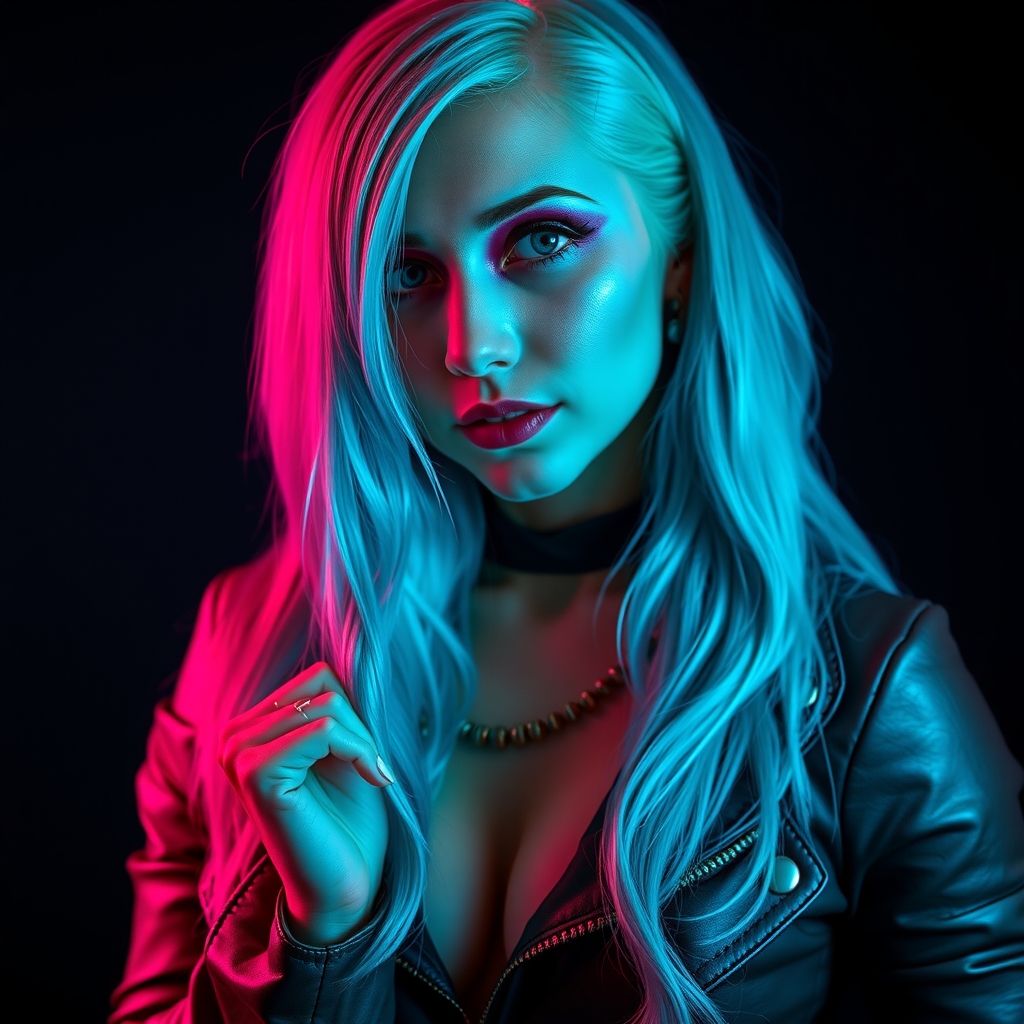
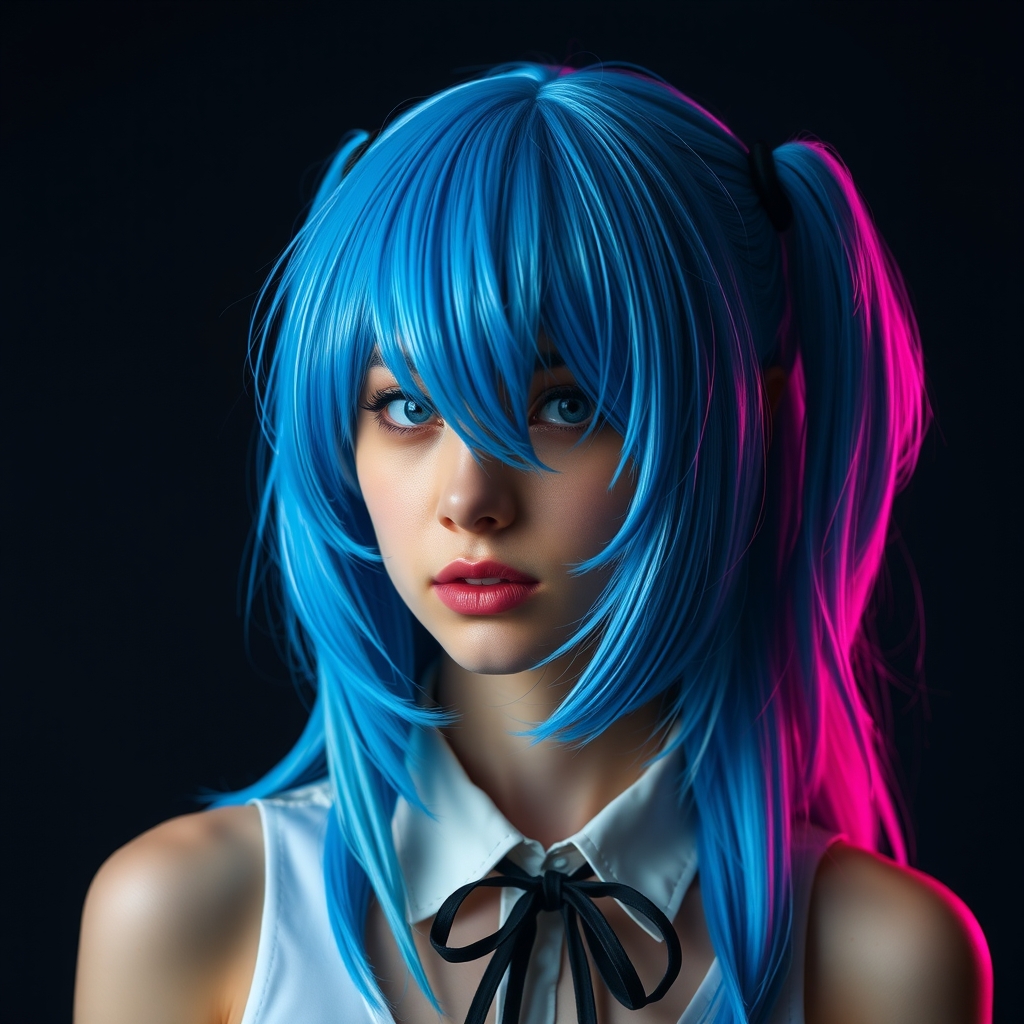
For many cosplayers, the wig is the crowning achievement of a character's silhouette. Anime characters are notorious for hairstyles that defy the laws of physics—sharp spikes, massive volumes, and vibrant gradients that cannot be achieved with natural hair. Transitioning from a "straight out of the bag" look to a screen-accurate style requires a shift in mindset: you are no longer treating the wig as hair, but as a sculptable medium.
Selecting the Right Base
The foundation of any great style is the quality and type of fiber. Most cosplay wigs are made from synthetic fibers, typically Kanekalon or heat-resistant polyester. When selecting a wig for a high-style anime character, prioritize heat-resistant fibers. These allow you to use steaming tools and curling irons without melting the plastic, which is essential for creating permanent bends and structural shapes.
Consider the length and density. It is always easier to trim excess hair than to add it. If a character has an exceptionally thick ponytail or massive side-swept bangs, look for wigs with higher density or consider purchasing two wigs in the same color to merge them. This provides the necessary volume to support heavy styling without exposing the wig cap.
The Secret to Volume: Teasing and Backcombing
The biggest mistake beginners make is attempting to style a wig without creating a structural core. Anime hair is often voluminous and rigid; this is achieved through a process called teasing or backcombing. By combing the hair toward the scalp rather than away from it, you create a dense "nest" of fibers that acts as a scaffold for the outer layer.
The Teasing Process
- Sectioning: Divide the wig into manageable sections. Use clips to keep the top layer of hair out of the way so you can tease the under-layers.
- The Technique: Hold a small section of hair taut. Using a fine-tooth teasing comb, push the hair down toward the root in short, firm strokes.
- Shaping: Once the section is teased into a firm cylinder or mound, use your fingers to mold the shape.
- Smoothing: Lightly brush the very top layer of the hair over the teased section. This hides the "nest" and creates a smooth, polished finish while maintaining the volume underneath.
Hardening the Style: Glues and Sprays
While hairspray is useful for light hold, it often fails under the weight of massive anime spikes or in humid convention environments. To achieve "gravity-defying" results, you must incorporate stronger adhesives and hardening agents.
Got2b Glued Blasting Freeze is a staple in the community for a reason: it dries quickly and holds firmly. For extreme spikes, apply the glue generously to a section of hair, shape it into a point, and allow it to dry completely. For structural support that must last all day, some builders use diluted white glue or specialized fabric stiffeners on the inner core of the hairstyle, though these are less flexible than styling gels.
To set the style, use a high-hold freezing spray. Apply it in short bursts from a distance to avoid saturating the fibers, which can make the wig look wet or "crunchy" in a way that reflects light unnaturally in photographs.
Custom Coloring and Gradients
Anime characters often feature colors that aren't available in standard wig catalogs, such as ombré fades or neon highlights. Because synthetic fibers are essentially plastic, traditional hair dye will not work. You must use dyes specifically designed for synthetics or acrylic-based paints.
Techniques for Synthetic Coloring
- Alcohol-Based Inks: These are excellent for adding subtle depth or blending colors. They evaporate quickly and do not leave the hair feeling sticky.
- Acrylic Paint Mixes: For bold, opaque colors, mix acrylic paint with a small amount of fabric medium. This prevents the paint from cracking when the hair bends. Apply with a sponge or a stiff brush for a stippled effect.
- Fabric Dyes: For a full-color change, some heat-set synthetic dyes can be used in a simmering pot of water. This is a permanent change and requires careful temperature control to avoid melting the wig.
When creating a gradient, always start with the lightest color. Use a blending brush to soften the transition between the two hues, ensuring there are no harsh lines where the colors meet.
Precision Cutting and Finishing
The difference between a "costume wig" and a "professional wig" is in the cutting. Blunt cuts often look unnatural and blocky. To achieve the sharp, tapered look characteristic of anime art, use the "point-cutting" technique.
Instead of cutting straight across the hair, hold the scissors vertically (perpendicular to the hair) and snip into the ends of the fibers. This removes bulk and creates a feathered, organic edge. For bangs, always cut them longer than you think you need; you can always trim more, but you cannot add length back once it is gone.
Maintenance and Storage
A highly styled wig is fragile. To preserve your hard work, avoid storing the wig in a drawer or a tight bag, which will crush the teased sections. Instead, use a wig stand or a Styrofoam head. If the wig becomes dusty, do not brush it vigorously, as this will destroy the teased structure. Instead, use a can of compressed air or a soft makeup brush to gently remove debris.
If a section of the style begins to sag, you can often "reactivate" the shape using a handheld steamer. The heat softens the fibers and the glue slightly, allowing you to push the hair back into place before it cools and resets.