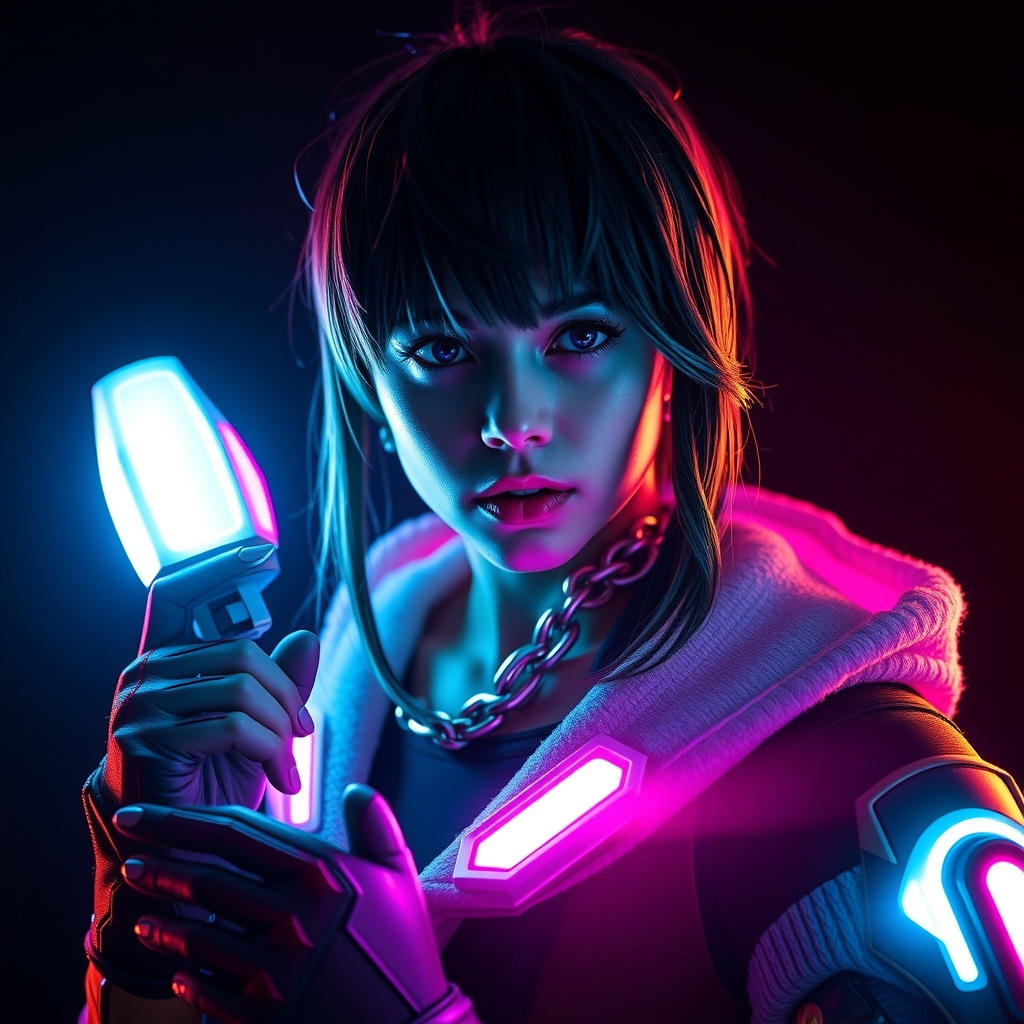
The cyberpunk aesthetic is defined by the contrast between high-tech and low-life. While many cosplayers believe that achieving a "neon-drenched" look requires expensive custom PCB boards and high-end programmable controllers, the heart of the genre is actually found in salvage. Some of the most effective futuristic accessories are built from the remnants of old computer peripherals, discarded holiday lighting, and outdated electronics.
Transforming old LED lights into costume pieces is not only a cost-effective strategy but also a sustainable way to build your prop library. By shifting your perspective from buying new components to auditing your "e-waste," you can create complex, glowing accents that add depth and professional polish to any sci-fi build.
Auditing Your Salvage Sources
Before heading to a hobby shop, look through your storage bins and electronics drawers. Many common household items contain the exact components needed for cyberpunk accessories. Look for the following sources:
- Old Computer Case Lighting: Many older PC builds used basic 12V LED strips. These are often higher quality than cheap battery-operated strings and provide a steady, bright glow.
- Discarded Holiday Lights: While traditional bulbs are too bulky, modern LED fairy lights or strip lights can be stripped of their wires to create thin, glowing filaments.
- Broken Electronics: Old keyboards with backlit keys or defunct gaming mice often contain small, high-intensity LEDs and diffusers that can be repurposed for small detail work, such as glowing buttons on a gauntlet.
- USB-Powered Desk Lamps: These often contain integrated LED arrays that are already wired for 5V power, making them compatible with standard power banks.
The Secret to the "Neon" Look: Diffusion
The biggest mistake budget builders make is leaving the LED "beads" exposed. Raw LEDs create harsh "hot spots" (bright dots of light) that look amateur and can be blinding to photographers. To achieve the smooth, cinematic glow associated with cyberpunk media, you must use diffusion.
Diffusion is the process of scattering light so it appears as a solid beam or a soft glow. Here are the most effective budget materials for this purpose:
Translucent Plastics and Acrylics
Old milk jugs, frosted plastic folders, or white acrylic scraps are excellent diffusers. By placing the LED strip inside a frosted tube, the light bounces off the walls of the plastic, filling the space evenly.
Foam and Fabric
If you are building armor, you can embed LEDs beneath a thin layer of white EVA foam or white spandex. The material acts as a filter, softening the light while allowing it to bleed through the surface of the costume.
Hot Glue and Silicone
For small accents, a thick layer of hot glue or clear silicone sealant over an LED can act as a crude but effective diffuser. This is particularly useful for creating "glowing veins" or circuitry patterns on skin-contact accessories.
Basic Wiring and Power Management
You do not need an engineering degree to wire salvaged LEDs, but you do need to understand the basics of power to avoid frying your components. Most salvaged LEDs will be either 5V (USB standard) or 12V (PC/Automotive standard).
The Power Source: The most practical choice for cosplayers is a portable USB power bank. They are rechargeable, safe, and easily hidden in a pocket or a piece of armor. If your salvaged LEDs are 12V, you may need a small DC-to-DC step-up converter to bring the 5V from the power bank up to the required voltage.
Managing Connections: Instead of relying on fragile twist-and-tape connections, use heat-shrink tubing. This prevents short circuits and keeps your wiring tidy. If you cannot solder, small lever-nut connectors are a reliable alternative that allows you to swap out LEDs or power sources quickly during a convention.
Practical Project: The Cyber-Gauntlet Accent
To put these principles into practice, try building a simple glowing gauntlet accent. This project combines salvage, diffusion, and basic wiring.
- The Base: Cut a strip of EVA foam to fit your forearm. Create a recessed channel (a "trench") in the foam using a hobby knife.
- The Light: Take a salvaged LED strip and trim it to fit the length of the channel. If the strip is too bright, you can place a piece of dark grey fabric over it to mute the intensity.
- The Diffuser: Cut a thin strip of frosted plastic or white acrylic to fit exactly over the channel. Secure it with a small amount of adhesive.
- The Wiring: Run the wires along the underside of the foam, securing them with hot glue. Lead the wires to a small pouch on your belt where the power bank will reside.
- The Finish: Paint the foam with metallic acrylics and add "greeblies" (small random mechanical parts) around the light strip to make it look like an integrated piece of technology.
Troubleshooting and Safety
Working with salvaged electronics requires a few safety precautions to ensure your costume remains safe to wear for several hours.
Heat Management: While LEDs are generally cool, some high-intensity strips can get warm. Ensure there is a layer of insulation (like foam or fabric) between the LED and your skin to prevent discomfort or burns.
Wire Strain Relief: Cosplay involves a lot of movement. Wires that are soldered directly to a power source often snap at the joint. Create "strain relief" by looping the wire and securing it with a zip-tie or glue before it reaches the connection point. This ensures that if the wire is tugged, the tension is absorbed by the loop rather than the solder joint.
Battery Safety: Never leave DIY electronics charging unattended, and always use a power bank with built-in short-circuit protection. If a wire feels hot to the touch, disconnect the power immediately and check for frayed insulation.
Expanding Your Tech Library
Once you have mastered basic diffusion and wiring, you can experiment with more complex effects. Try layering different colors of salvaged LEDs to create gradients, or use a simple manual switch to toggle between a "standby" dim glow and a "powered up" bright flash. By treating your costume as a series of modular electronic components, you can easily upgrade your gear as you find more interesting salvage, keeping your cyberpunk aesthetic evolving without spending a fortune.