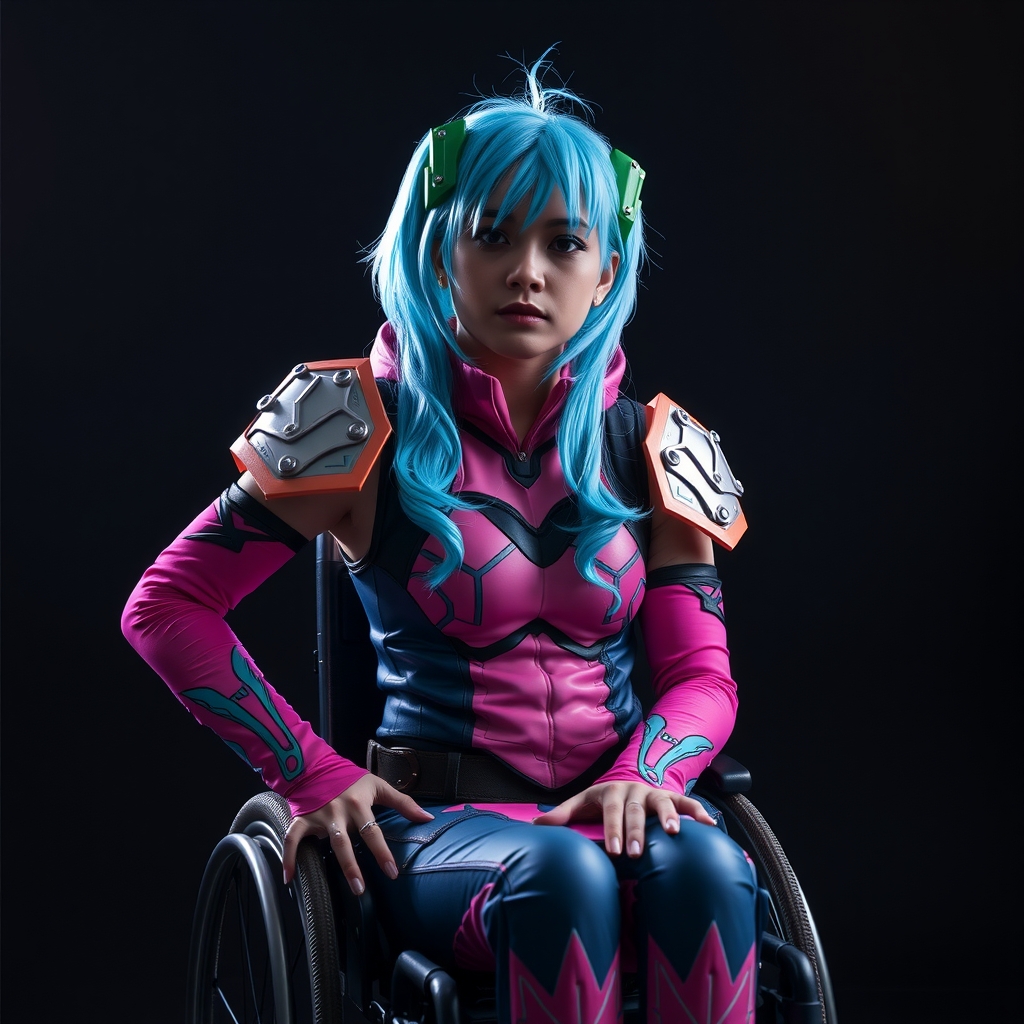

The aesthetic of 80s video games is defined by limitation. Due to the hardware constraints of the era, character designs relied on bold primary colors, exaggerated silhouettes, and distinct geometric shapes to convey identity through a handful of pixels. When translating these designs into real-world cosplay, the goal is not necessarily hyper-realism, but rather the capture of that specific, stylized energy. Using thrifted materials not only makes these builds accessible and sustainable, but the textures found in vintage clothing often mirror the tactile quality of the 80s more accurately than modern synthetic fabrics.
Analyzing the Pixel Palette
Before visiting a thrift store, you must translate your character's sprite into a color palette. 80s games often used a limited color index. Instead of looking for a perfect match, look for "dominant" and "accent" colors. If a character wears a bright red tunic with a blue trim, your primary goal is finding a garment in a saturated red. Do not worry if the shade is slightly off; the bold contrast between colors is what defines the retro look.
When browsing racks, prioritize fabrics with structure. 80s character designs often feature stiff collars, padded shoulders, and wide belts. Look for older blazers, heavy cotton trousers, and synthetic blends that hold their shape. Avoid overly draped or flimsy modern fast-fashion items, as they lack the architectural quality needed to mimic the blocky nature of pixel art.
The Art of the Thrifted Base
Finding a garment that fits the character perfectly is rare. Instead, look for "base" pieces that can be modified. For characters with oversized silhouettes—common in early RPGs and platformers—search the men's oversized section or look for vintage coats with wide lapels.
- The Oversized Shirt: A large, button-down cotton shirt in a solid color can be transformed into a tunic, a cape, or a stylized vest through strategic cutting and hemming.
- Structured Blazers: Vintage blazers often come with shoulder pads. These are invaluable for recreating the squared-off shoulders seen in 80s anime-style game characters.
- Heavy-Duty Trousers: Look for old work pants or corduroys. These provide a matte texture that photographs better than shiny modern polyester and can be easily dyed or painted.
Working with Unconventional Finds
Some of the best retro cosplay components are found in the home goods section. Old curtains with bold patterns or heavy upholstery fabrics can be repurposed into capes, sashes, or armor plating. A thick, gold-colored table runner can become a regal trim for a royal character, while a sturdy vinyl tablecloth can be spray-painted and heat-formed into basic bracers or greaves.
Modifying and Transforming Fabrics
Once you have your thrifted base, you need to refine the silhouette. Pixel art is characterized by sharp edges and clear boundaries. To achieve this, avoid soft curves in your tailoring.
Creating Blocky Silhouettes: If a garment is too loose, do not just take it in at the seams. Use heavy-duty interfacing or cardboard inserts inside the lining to create "boxy" shapes. For example, if a character has a stiff, rectangular collar, glue a piece of thin plastic or heavy cardstock to the inside of the thrifted collar to prevent it from drooping.
Dyeing and Painting: Thrifted clothes often come in the wrong shade. For natural fibers like cotton or linen, fabric dye is the most effective way to achieve a saturated, uniform color. For synthetic fabrics that resist dye, use acrylic paint mixed with a fabric medium. This mixture prevents the paint from cracking and allows you to paint bold, flat blocks of color directly onto the garment, mimicking the look of a digital sprite.
Building Accessories from Household Salvage
Accessories in 80s games are often simplified symbols: a giant sword, a circular shield, or a chunky belt buckle. These can be constructed using a combination of thrifted items and basic craft supplies.
- The Base Layer: Use old leather belts or strips of faux-leather bags found at thrift stores to create harnesses and straps. These are far more durable and look more authentic than ribbon or thin fabric.
- Adding Volume: Use scrap foam or layered cardboard to create the "chunkiness" of retro gear. Wrap these shapes in thrifted fabric or cover them with gesso and paint to create a seamless, solid look.
- Hardware: Look for old costume jewelry or oversized buttons. A large, gold-toned button from a vintage coat can easily be repurposed as a chest emblem or a decorative fastener for a cape.
Weathering for a "Lived-In" Retro Look
While pixel art is clean, a physical costume can look "costumy" if it is too pristine. Adding subtle weathering makes the outfit feel like a real garment from a fantasy or sci-fi world. However, for the 80s aesthetic, avoid heavy grime. Instead, focus on "softening" the edges.
Use a light sanding block on the edges of your painted accessories to reveal a bit of the base material underneath, suggesting wear and tear. For fabrics, a light misting of watered-down brown paint around the hem of a cloak or the cuffs of a shirt can add depth without distracting from the bold color palette. The goal is to bridge the gap between the digital simplicity of the game and the physical reality of the fabric.
Final Assembly and Proportions
The final step is ensuring the proportions match the character's essence. Retro characters often have exaggerated features—massive boots, huge hair, or oversized weapons. When using thrifted materials, you can amplify these proportions by layering.
If the boots you found are too slim, wrap them in layers of fabric or add foam inserts underneath the soles to give them a heavier, more grounded appearance. If the character has a voluminous hairstyle, consider using a thrifted wig as a base and teasing it out with backcombing and heavy-duty hairspray to achieve that iconic 80s volume.
By focusing on bold colors, structured silhouettes, and the creative repurposing of second-hand goods, you can create a cosplay that pays homage to the golden age of gaming while remaining environmentally conscious and budget-friendly.