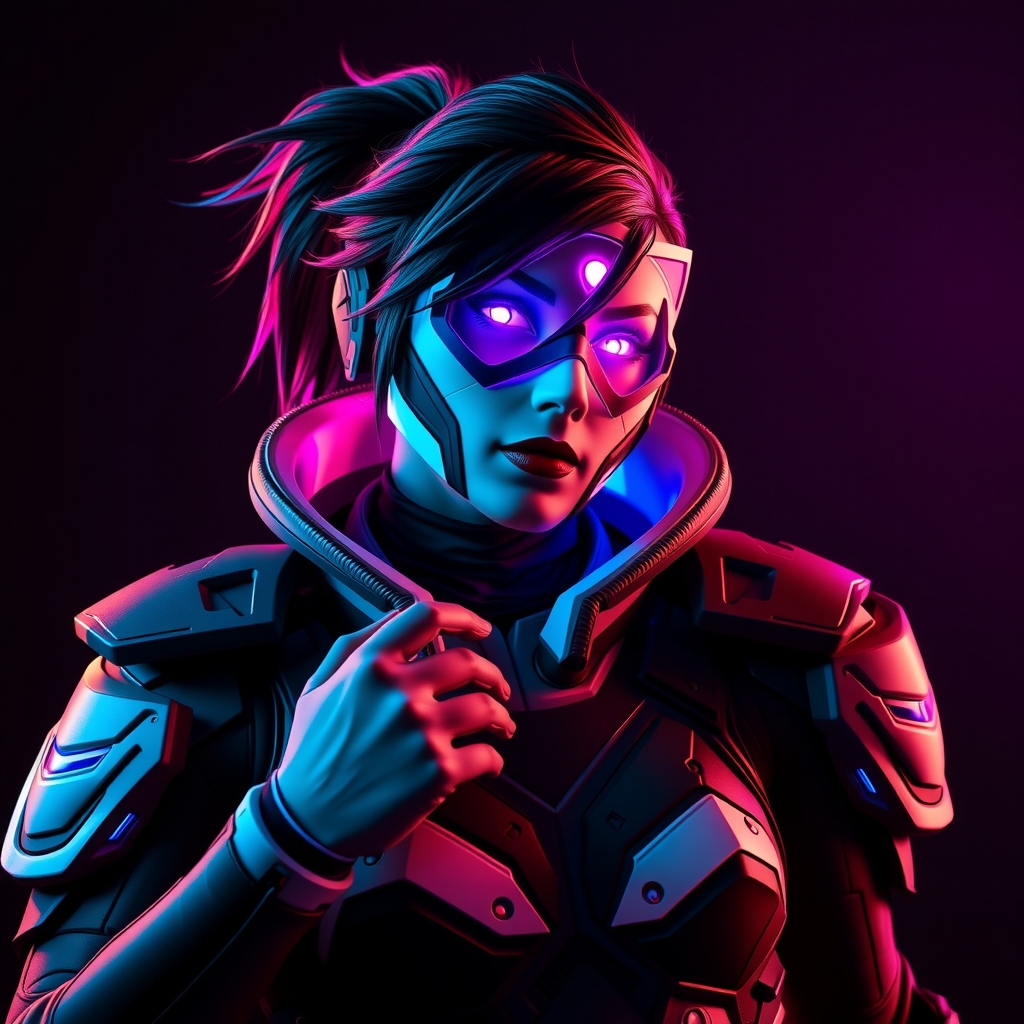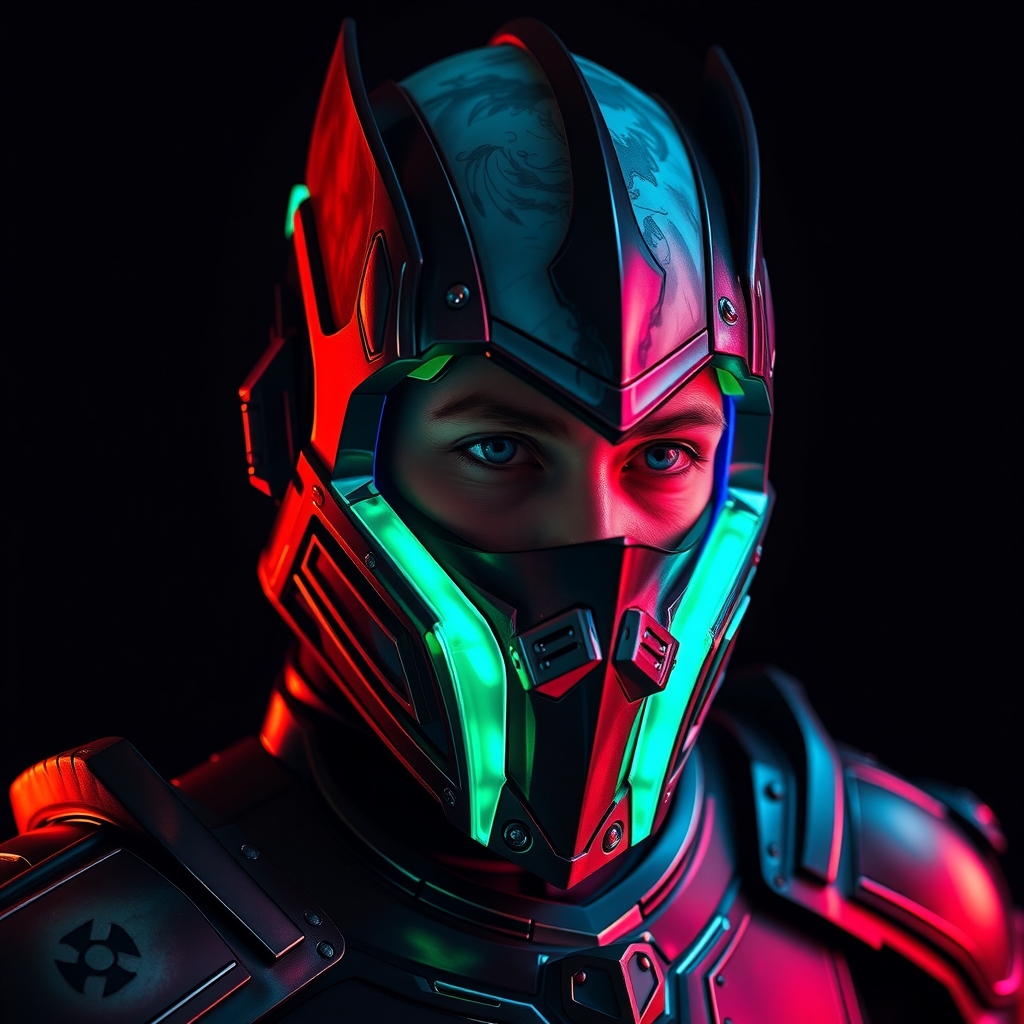
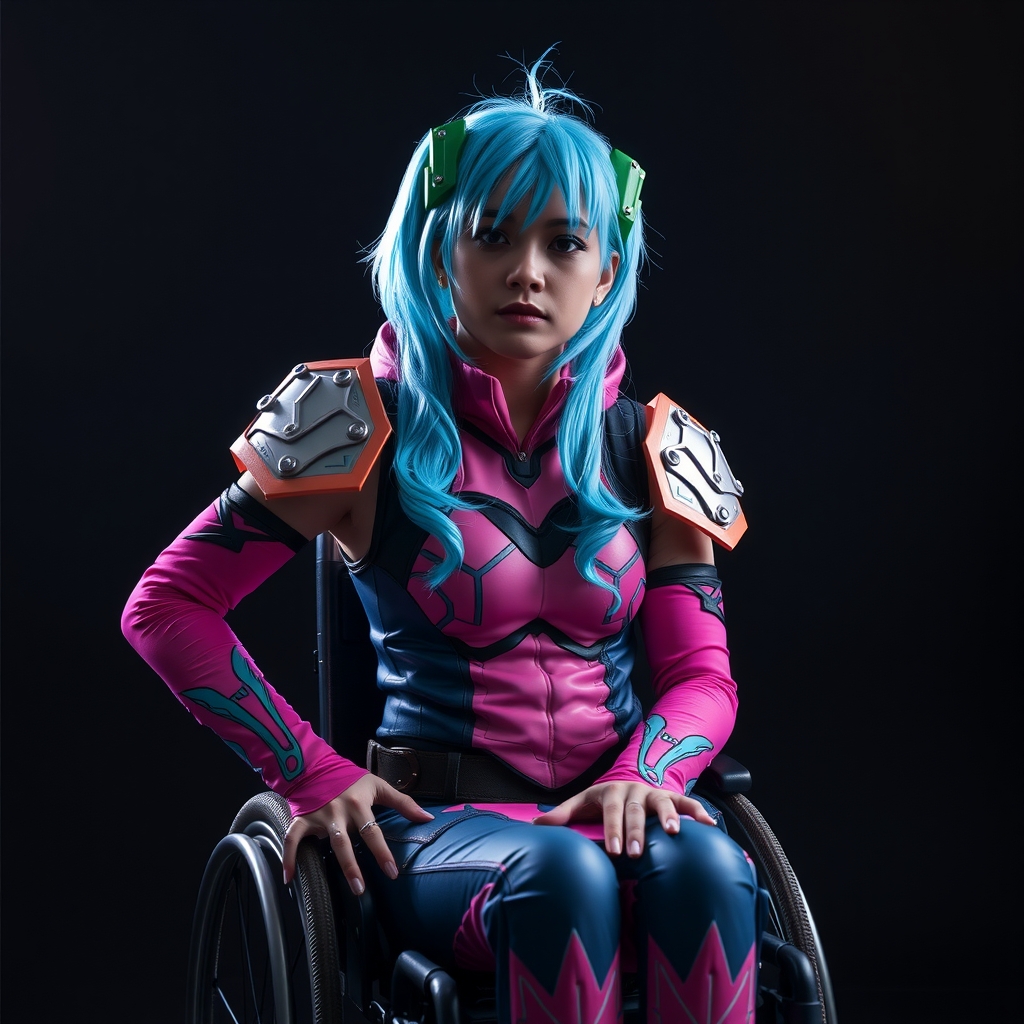
Cosplay is fundamentally an act of transformation and creativity. However, the traditional approach to costume building often assumes a baseline of mobility that does not apply to every creator. Whether you are designing for yourself or a friend, incorporating accessibility into the build process is not about "compromising" a design; it is about intelligent engineering. By adapting how garments are fastened, how props are held, and how weight is distributed, you can create stunning looks that prioritize the wearer's autonomy and physical well-being.
Prioritizing the "Get-Ready" Process
The most challenging part of any complex cosplay is often the dressing process. For those with limited mobility, traditional fasteners like tiny buttons, rear zippers, or tight sleeves can become significant barriers. The goal is to reduce the amount of fine motor skill required to get into the costume.
Alternative Fasteners
- Magnetic Closures: Replace buttons or hooks with high-strength neodymium magnets sewn into the lining. These allow for a seamless look on the outside while providing an easy "snap-to" closure.
- Velcro and Hook-and-Loop: Use wide strips of Velcro for panels that need to be secured quickly. To avoid the "scratchy" feel against the skin, always place a fabric barrier between the Velcro and the body.
- Adaptive Zippers: Attach a small loop of ribbon or a key ring to the zipper pull. This provides a larger grip surface for those with limited dexterity.
- Elasticated Waistbands: Instead of rigid belts or buttons, use wide elastic bands. If a belt is required for the character's silhouette, build it as a decorative overlay that sits on top of a comfortable, stretchy base.
Weight Distribution and Prop Management
Heavy props can lead to fatigue, joint strain, or instability. When designing for accessibility, the priority shifts from "perfectly screen-accurate materials" to "strategic weight reduction."
Material Substitution
Swap heavy materials for lightweight alternatives that mimic the same texture. Replace solid wood or heavy plastics with high-density EVA foam. For metallic elements, use silver or gold leaf paint over foam rather than actual metal plates. If a prop requires a certain thickness, use a hollow core filled with lightweight expanding foam rather than a solid block of material.
Ergonomic Support
If a prop must be carried, consider how the weight is distributed across the body. Instead of relying solely on a grip, create a hidden harness system. A shoulder strap or a waist-cinch can transfer the weight of a large weapon or accessory from the wrist to the core of the body, reducing the risk of strain. For those using wheelchairs or mobility aids, props can be integrated into the equipment using industrial-strength magnets or customized brackets, allowing the prop to be "worn" by the chair rather than held by the user.
Modifying Garments for Seated Positions
Most clothing is patterned for a standing person. When a cosplayer spends the majority of their time seated, standard patterns can cause fabric to bunch at the waist or pull tight across the shoulders and lap.
Adjusting the Cut
- The High-Waist Shift: Raise the waistline of trousers or skirts to prevent the fabric from sliding down when seated.
- Added Ease in the Hips: Incorporate extra "ease" or room in the hip and thigh area of pants to prevent pinching and ensure blood flow is not restricted.
- Shortened Torsos: Shorten the front length of jackets or tunics to prevent excess fabric from bunching up in the lap, which can be uncomfortable and distort the silhouette of the costume.
Pressure Point Prevention
Avoid placing heavy seams, thick embroidery, or rigid armor pieces on the back or underside of the thighs. These can create pressure points that lead to skin irritation over long periods. Use soft linings, such as moleskin or neoprene, in areas where the costume contacts the mobility device or the body's primary support points.
Designing for Sensory Comfort
Accessibility is not only about physical movement but also about sensory processing. Many cosplayers experience sensory overload, particularly in crowded convention environments. A costume that feels "wrong" on the skin can lead to rapid exhaustion.
Fabric Selection
Avoid fabrics that are notoriously itchy or restrictive. If a character wears a heavy wool or stiff brocade, consider using a breathable cotton-blend that is printed to look like the original fabric. If the aesthetic requires a stiff look, use a lightweight interfacing inside a soft fabric rather than using a heavy, rigid outer material.
Seamless Integration
For those with tactile sensitivities, minimize the number of internal seams. Use flat-felled seams or serge the edges of the fabric to ensure there are no rough edges rubbing against the skin. If the costume requires a wig, consider using a lightweight breathable cap or opting for a high-quality styled hairpiece that doesn't require tight pinning.
The "Exit Strategy" and Safety
A truly accessible costume considers not just how to get in, but how to get out quickly and safely. In an emergency or a high-stress environment, the ability to remove a costume rapidly is a safety requirement.
Quick-Release Systems
Incorporate "break-away" points in the costume. Use snaps or light-duty Velcro for heavy capes or oversized accessories so they can be shed instantly if they become a tripping hazard or if the wearer becomes overheated. Ensure that any armor pieces are designed to be removed without the need for a second person, utilizing toggles or pull-tabs that are easy to reach.
Hydration and Medication Access
Never sacrifice the accessibility of essential items for the sake of the costume. Design "hidden" pockets into the garment that are easily reachable from a seated or limited-mobility position. A small, reinforced pouch attached to a thigh strap or a hidden interior pocket in a jacket ensures that water, medication, and communication devices are always within reach without breaking character.
Embracing the Adaptation
The most impressive cosplays are those that reflect the creativity of the maker. Adapting a design for accessibility is a form of expert craftsmanship. By focusing on the intersection of aesthetics and ergonomics, you create a costume that allows the wearer to focus on the joy of the community and the pride of the build, rather than the limitations of the garment.