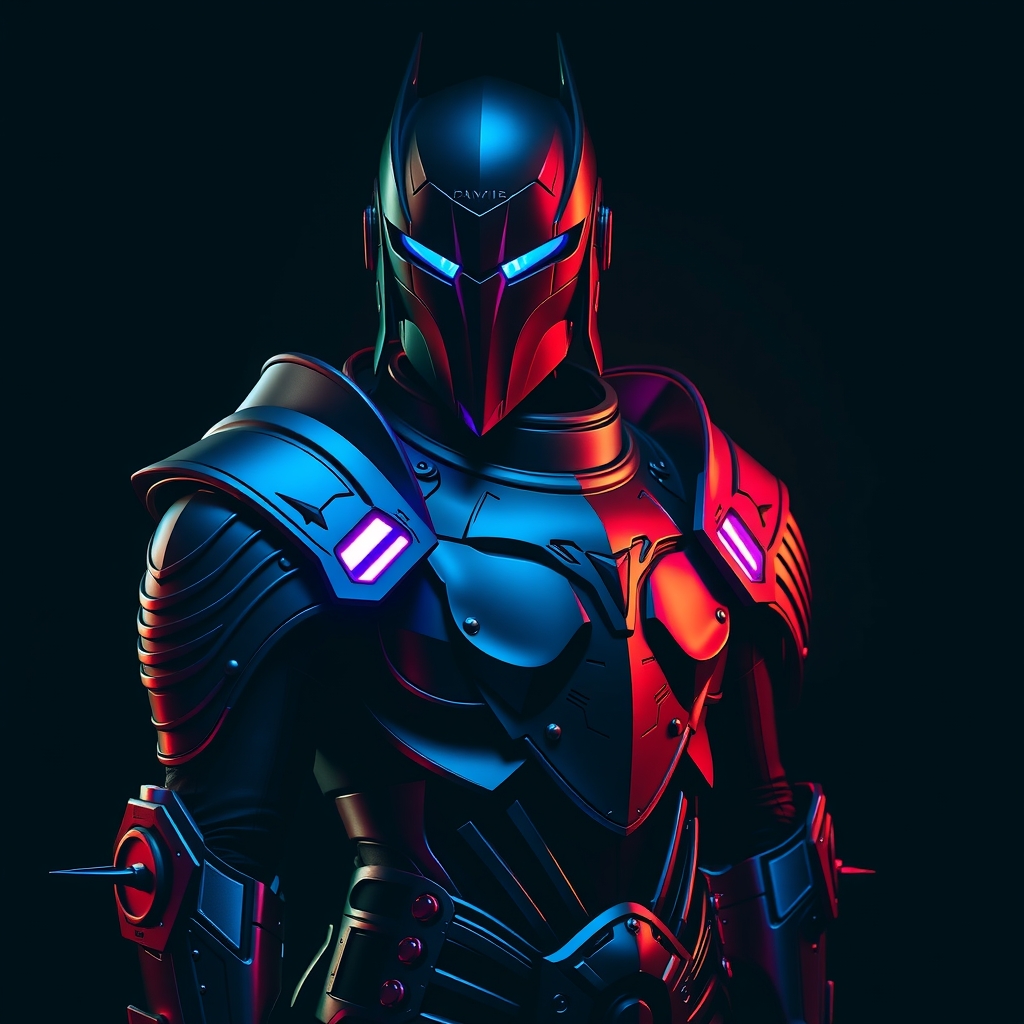
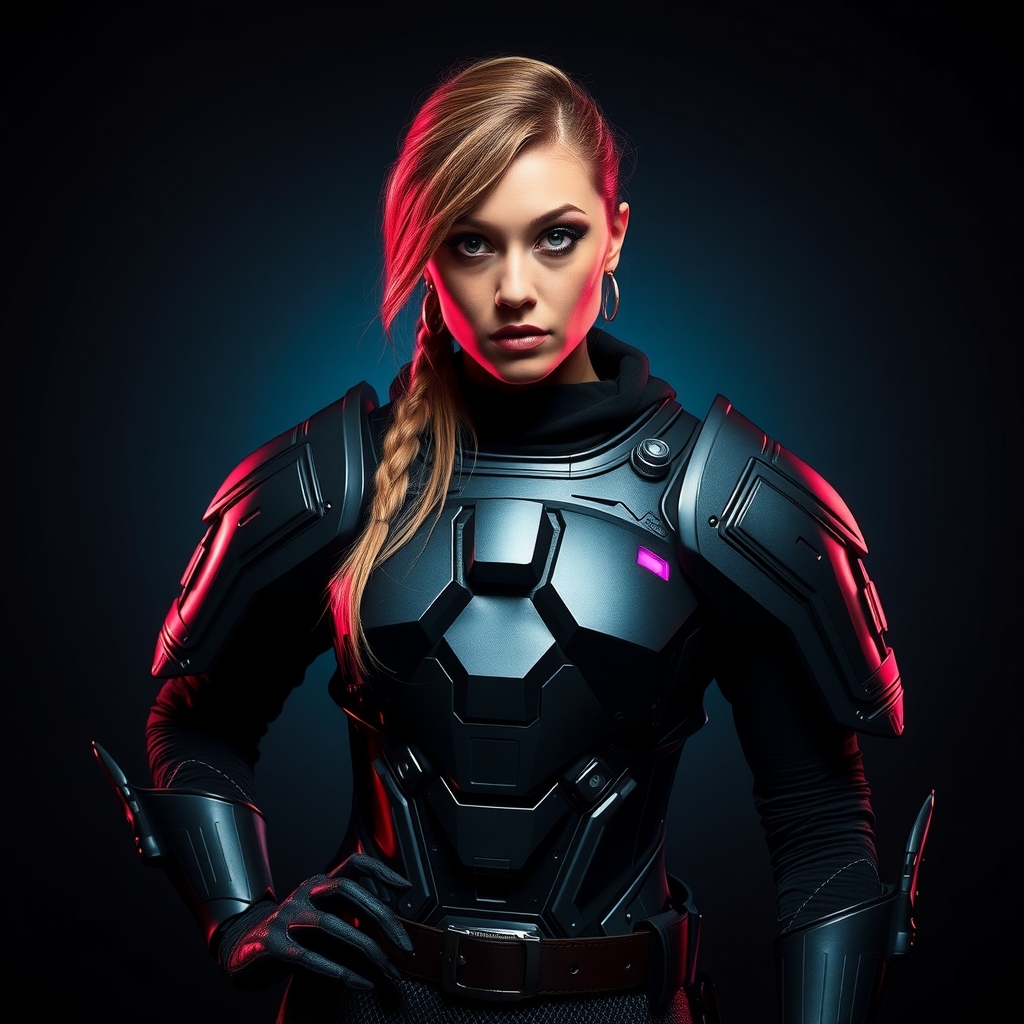
Introduction to Sci-Fi Cosplay Sewing
Sci-fi cosplay often requires creating intricate, textured, and armored costumes that transport characters from fictional worlds to reality. One of the key elements in achieving this look is using unconventional fabrics and techniques to add depth and dimension to your costume. In this guide, we'll walk you through the process of working with unusual materials and essential sewing techniques to create stunning sci-fi cosplay costumes.
Choosing Unconventional Fabrics
When it comes to sci-fi cosplay, traditional fabrics like cotton and polyester might not provide the desired texture and appearance. Consider experimenting with unconventional fabrics such as:
- Foam fabrics, like craft foam or Worbla, for added structure and protection
- Vinyl and PVC for a sleek, metallic look
- Mesh and lace for a more ethereal or industrial feel
- Leather and faux leather for a rugged, armored appearance
When working with these materials, keep in mind their unique properties, such as weight, drape, and stability, to ensure they suit your project's needs.
Preparing Unconventional Fabrics for Sewing
Before you start sewing, it's essential to prepare your unconventional fabrics for construction. This may involve:
- Interfacing or stabilizing the fabric to prevent stretching or distortion
- Applying a backing material, like interfacing or stabilizer, to support the fabric
- Using a specialized adhesive or bonding technique to attach multiple layers
For example, when working with foam fabrics, you may need to apply a layer of stabilizer or interfacing to prevent it from deforming during sewing.
Essential Sewing Techniques for Sci-Fi Cosplay
To create intricate, textured, and armored costumes, you'll need to master various sewing techniques. Some essential skills include:
- Working with knit fabrics and stretchy materials
- Creating clean, finished seams using techniques like French seams or bound seams
- Using topstitching and edge-stitching to add visual interest and reinforcement
- Applying appliques, patches, or embroidery to add details and texture
Practice these techniques on scrap fabric before working on your actual costume to ensure you're comfortable with the process.
Adding Armor and Texture with Embellishments
Embellishments can make or break a sci-fi cosplay costume. To add armor and texture, consider using:
- Thermoplastics, like Worbla or Wonderflex, to create molded armor pieces
- Foam or fabric sculpting to create raised details or patterns
- Painting or airbrushing to add metallic or weathered effects
- Attaching pre-made armor pieces or components, like 3D printed parts
When adding embellishments, make sure to test them for durability and comfort before wearing the costume.
Tips for Working with Unconventional Materials
When working with unconventional fabrics and materials, keep the following tips in mind:
- Always test a small sample of the material before starting your project
- Use the right tools and equipment for the job, such as a walking foot or Teflon foot
- Be prepared to adapt your pattern or design as needed
- Consider using a combination of materials to achieve the desired look and functionality
By being flexible and willing to experiment, you can create truly show-stopping sci-fi cosplay costumes that showcase your creativity and skill.
Conclusion and Resources
With these techniques and tips, you're ready to start creating your own textured, armored, and intricate sci-fi cosplay costumes using unconventional fabrics. For more information and inspiration, check out online communities, tutorials, and resources, such as:
- Online forums and social media groups dedicated to cosplay and costume construction
- Costume making blogs and YouTube channels
- Specialized crafting and sewing books
Happy sewing and crafting!