Introduction to Cosplay Lighting
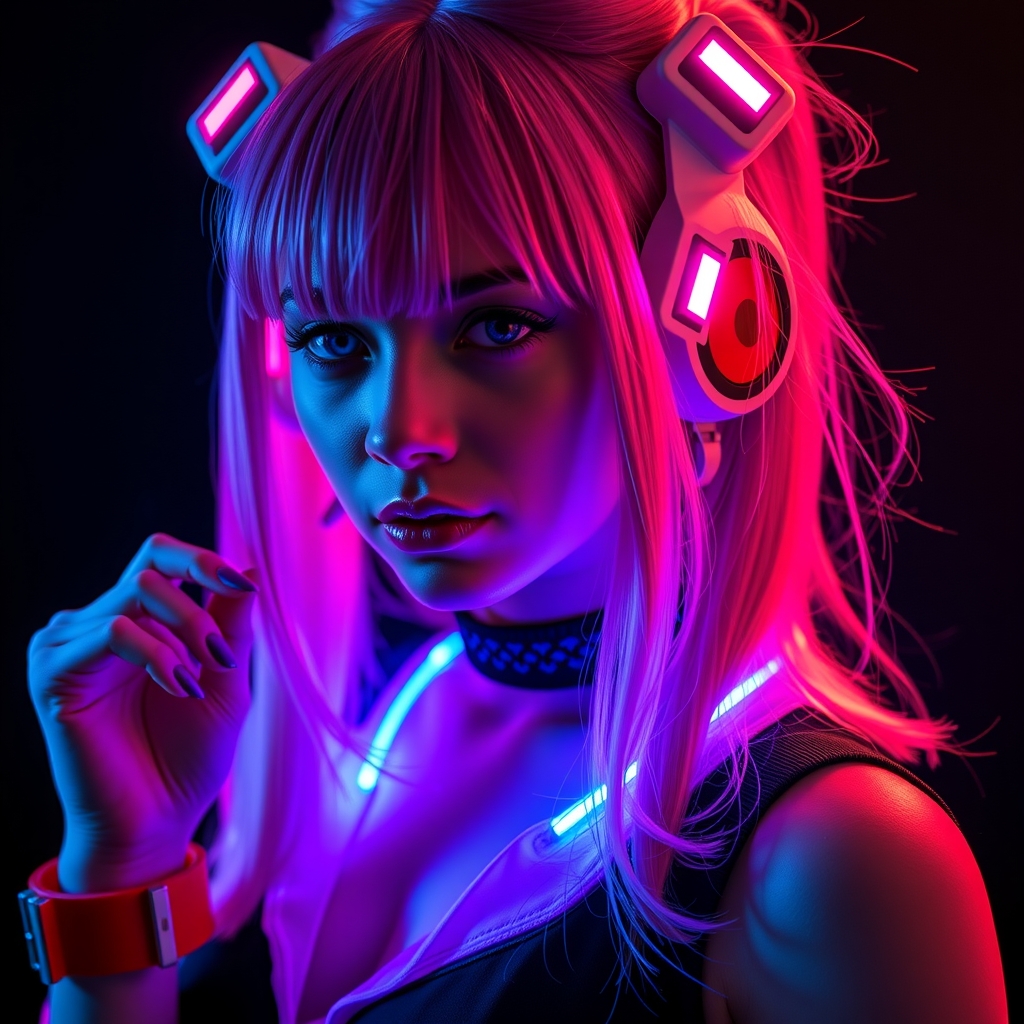
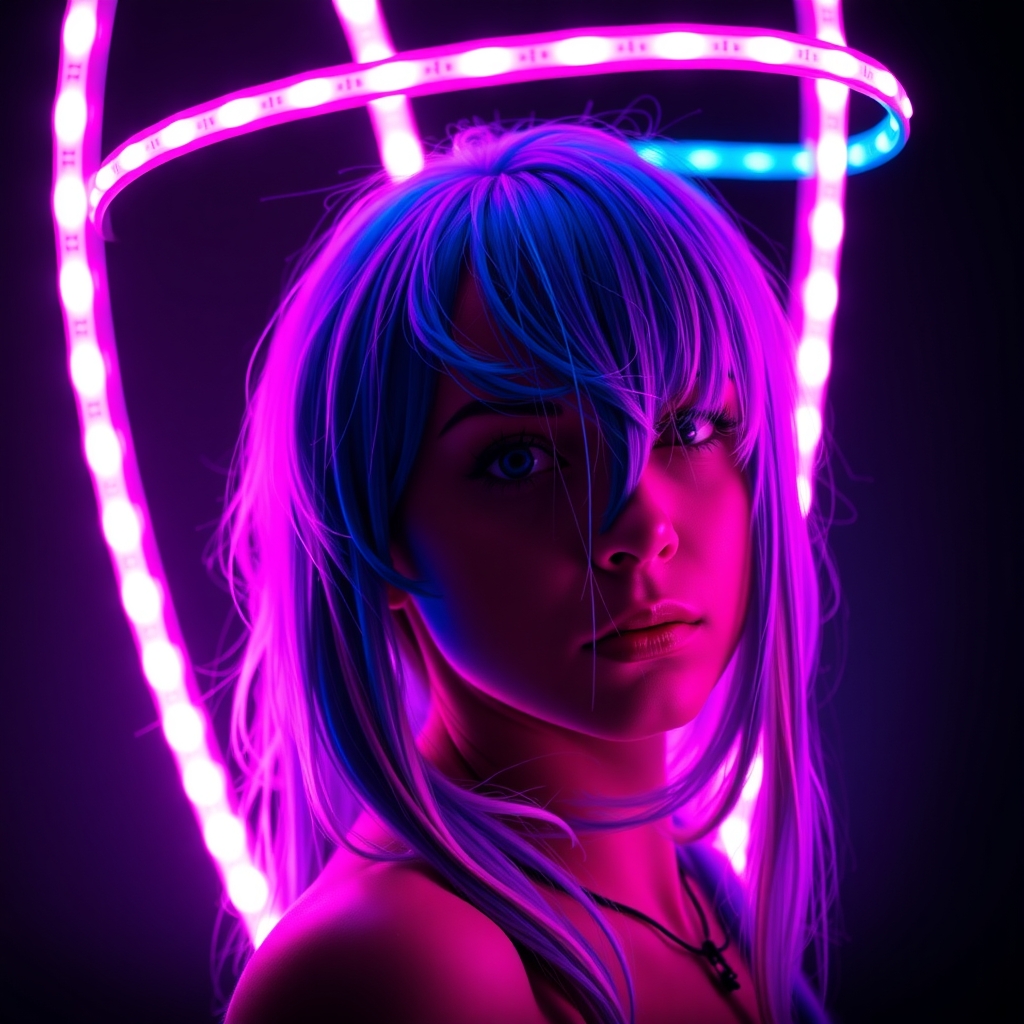
Cosplay lighting can elevate your costume from great to breathtaking, adding an extra dimension to your character's appearance. With the advancement of technology and accessibility of materials, incorporating lighting effects into your cosplay has become more achievable than ever. In this guide, we'll explore the basics of cosplay lighting, focusing on LED strips and EL wire, to help you get started on creating stunning effects.
Choosing Your Lighting Materials
When it comes to cosplay lighting, two popular materials stand out for their versatility and ease of use: LED strips and EL wire.
- LED Strips: LED strips are flexible circuits with light-emitting diodes (LEDs) mounted on them. They come in various colors, lengths, and densities. They can be cut to size, bent, and shaped, making them ideal for creating complex designs.
- EL Wire (Electroluminescent Wire): EL wire is a thin, wire-like material that emits light when an electrical current is passed through it. It's flexible, lightweight, and can be bent into various shapes, making it perfect for outlining designs or creating neon-like effects.
Factors to Consider
Before choosing between LED strips and EL wire, consider the following factors:
- Power Source: LED strips usually require a battery pack or a USB connection for power, while EL wire needs an inverter to operate.
- Brightness and Color: Think about the desired brightness and color of your lighting effect. LED strips offer a wide range of colors and brightness levels, while EL wire typically has a softer, neon-like glow.
- Flexibility and Durability: Consider how flexible and durable you need your material to be. EL wire is very flexible but can be prone to damage if not handled carefully.
Designing Your Lighting Effect
Once you've chosen your material, it's time to design your lighting effect. Here are some steps to follow:
- Conceptualize: Think about the character you're portraying and what kind of lighting effect would best represent them. Sketch out your ideas.
- Plan Your Power Source: Decide how you'll power your lighting effect. Make sure you have a plan for batteries, USB connections, or inverters.
- Test Your Materials: Before applying your lighting to your costume or prop, test your materials to ensure they're working as expected.
Attaching and Securing Your Lighting
Properly attaching and securing your lighting is crucial for a professional-looking finish.
- Adhesives: Use suitable adhesives like hot glue, epoxy, or fabric glue to secure your LED strips or EL wire to your costume or prop.
- Concealing Wires: Make sure to conceal any wires or power sources to keep your design clean and neat.
- Securing Power Sources: Ensure that your power sources are securely attached and won't run out of battery during use.
Safety Precautions
When working with electronics and lighting, safety should always be a top priority.
- Electrical Safety: Avoid short circuits, and ensure that your power sources and materials are compatible.
- Heat Management: Some lighting materials can generate heat; ensure good ventilation and avoid covering them with materials that can trap heat.
Tips for Beginners
If you're new to cosplay lighting, here are some additional tips to keep in mind:
- Start Simple: Begin with a simple design and gradually move on to more complex projects.
- Practice: Don't be discouraged if your first attempts don't turn out as expected. Practice makes perfect.
- Community Resources: Look for online tutorials, forums, and communities where you can share ideas and learn from others.
Conclusion
Incorporating lighting effects into your cosplay can seem daunting at first, but with the right materials and a bit of creativity, you can achieve stunning results. By understanding the basics of LED strips and EL wire, designing with your character in mind, and following safety precautions, you'll be well on your way to creating breathtaking cosplay lighting effects.