Introduction to Shibori
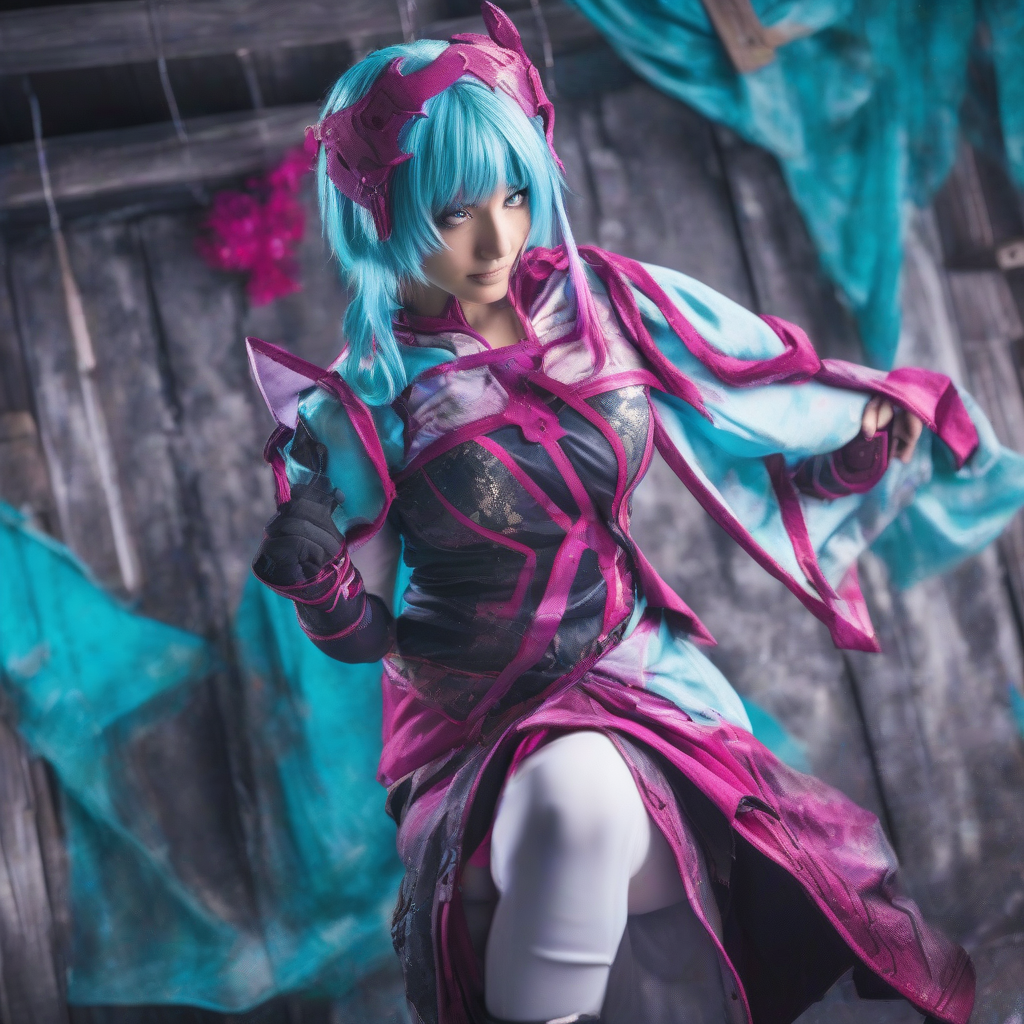
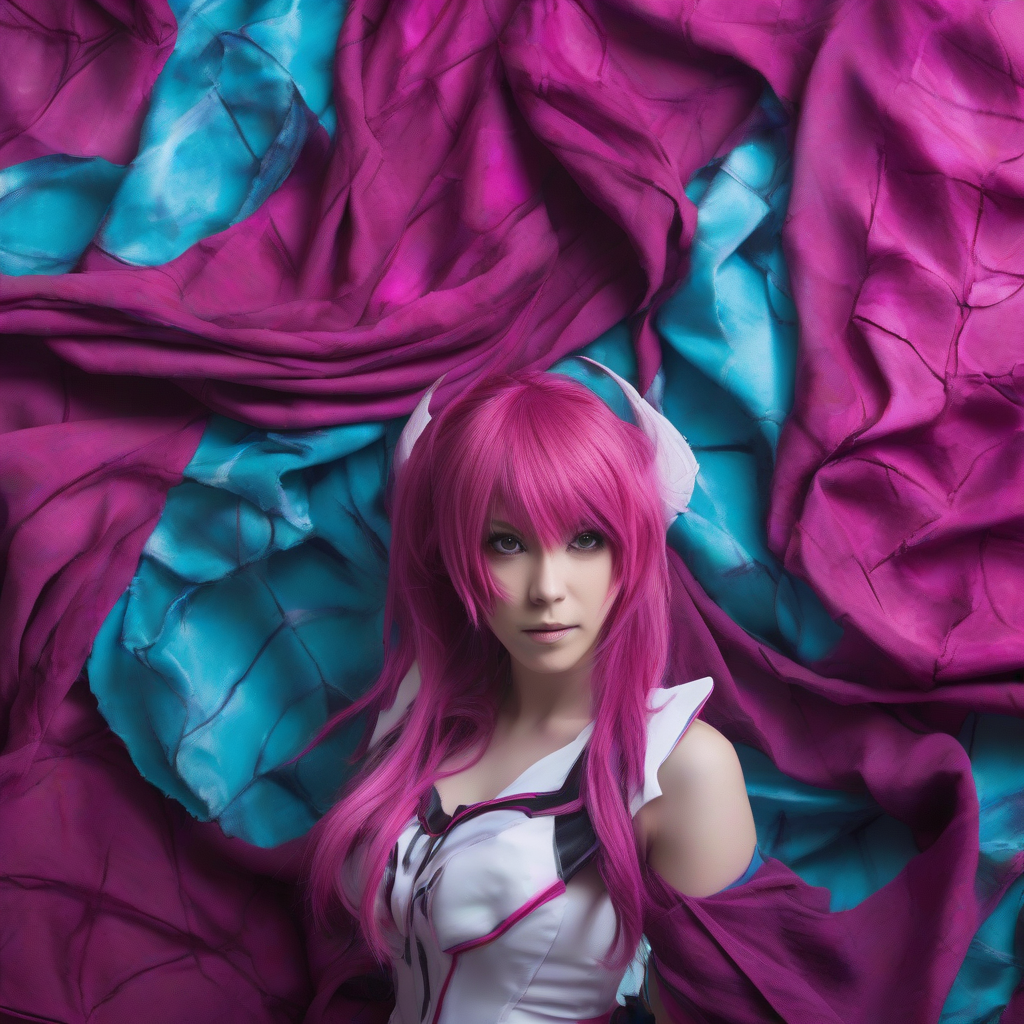
Shibori is a traditional Japanese technique of resist dyeing and binding fabric to create unique, intricate patterns and textures. This ancient art form has been used for centuries to create beautiful, one-of-a-kind textiles. As a cosplayer, you can harness the power of Shibori to add depth and realism to your anime-inspired costumes. In this guide, we'll explore the basics of Shibori and provide practical tips on how to incorporate this technique into your cosplay fabric manipulation.
Understanding Shibori Techniques
Shibori involves folding, twisting, or pleating fabric to create resistance areas, which resist the dye and create unique patterns. There are several Shibori techniques, including:
- Kōkechi: A folding technique that creates geometric patterns.
- Nui Shibori: A stitching technique that creates intricate designs.
- Itajime Shibori: A folding and binding technique that creates distinctive, geometric patterns.
Each technique requires patience, creativity, and a willingness to experiment. By mastering these techniques, you'll be able to create a wide range of textures and patterns that will elevate your cosplay game.
Preparing Fabric for Shibori
Before you begin, it's essential to choose the right fabric for Shibori. Look for natural fibers like cotton, silk, or wool, as they take dye well and hold their shape. Avoid synthetic fibers, as they may not respond well to the dyeing process.
To prepare your fabric, wash and dry it to remove any finishes or impurities. This will ensure that the dye adheres evenly and that your fabric responds well to the Shibori techniques.
Creating Realistic Anime Fabrics with Shibori
Anime often features intricate, detailed fabrics that are a hallmark of the genre. By using Shibori techniques, you can create realistic anime-inspired fabrics that will make your cosplay stand out. Here are some tips for creating realistic anime fabrics:
- Study anime fabrics: Look at reference images of anime characters and study the fabrics they wear. Note the textures, patterns, and folds.
- Experiment with Shibori techniques: Try out different Shibori techniques to create unique textures and patterns.
- Combine Shibori with other techniques: Combine Shibori with other fabric manipulation techniques, such as embroidery or appliqué, to add depth and interest.
By combining Shibori with other techniques and studying anime fabrics, you'll be able to create realistic, intricate fabrics that will take your cosplay to the next level.
Tips and Tricks for Cosplayers
Here are some additional tips and tricks for cosplayers working with Shibori:
- Use Shibori to create accents: Use Shibori to create small accents, such as ties or ribbons, to add detail to your costume.
- Experiment with color: Shibori is all about experimentation, so don't be afraid to try out different colors and dyeing techniques.
- Practice makes perfect: Shibori requires patience and practice, so don't be discouraged if your first attempts don't turn out as expected.
By following these tips and practicing Shibori techniques, you'll be able to create stunning, realistic anime-inspired fabrics that will make your cosplay stand out.
Conclusion
Shibori is a versatile and rewarding technique that can add depth and realism to your anime-inspired cosplay. By mastering Shibori techniques and experimenting with different fabrics and colors, you'll be able to create unique, intricate patterns and textures that will elevate your cosplay game. Whether you're a seasoned cosplayer or just starting out, Shibori is a technique worth exploring.