Introduction
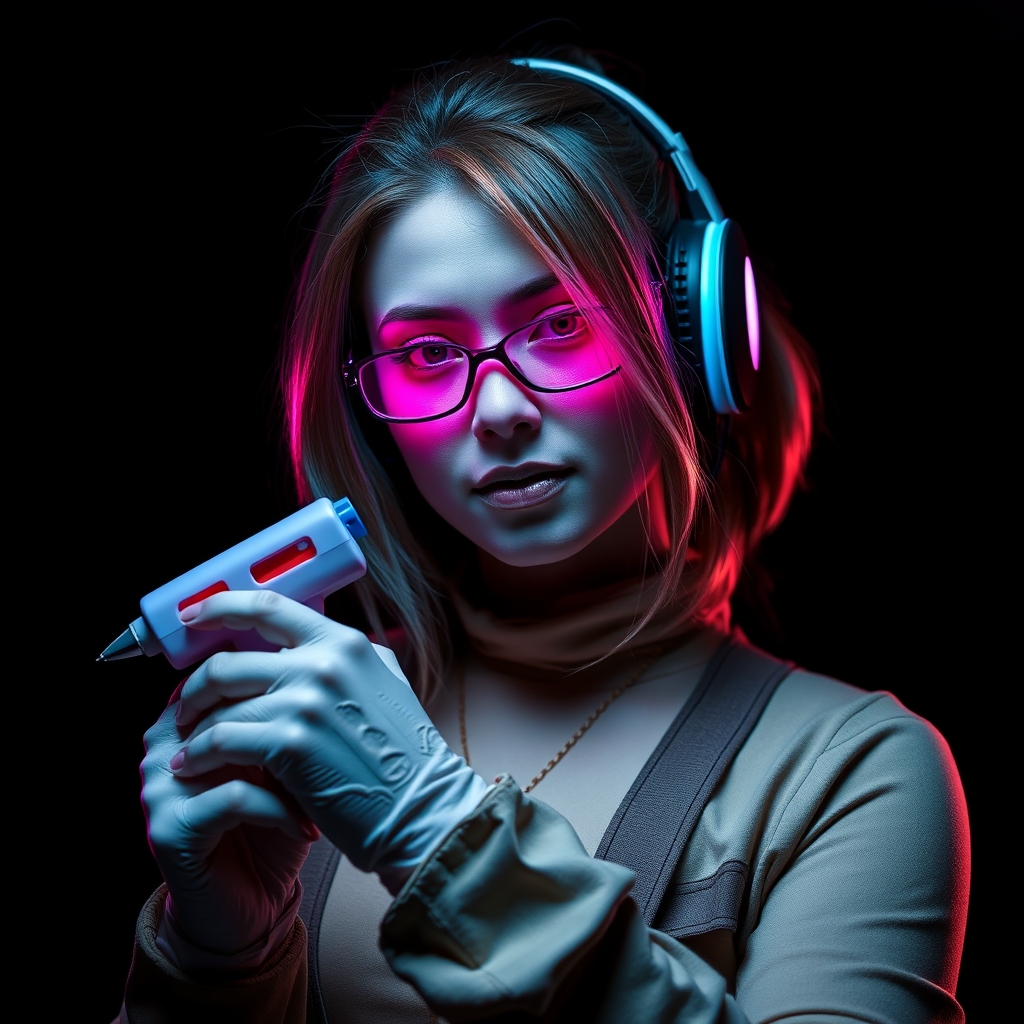
As cosplayers, we're no strangers to creativity and resourcefulness. When it comes to bringing our favorite gaming characters to life, we often face the challenge of limited budgets and tight deadlines. One tool that can help you overcome these obstacles is the humble hot glue gun. In this article, we'll explore 10 unconventional uses for hot glue guns in gaming cosplay, helping you to create stunning and durable costumes without breaking the bank.
1. Prop Making and Reinforcement
Hot glue guns are a staple in many prop makers' toolboxes, and for good reason. They can be used to assemble and reinforce a wide range of props, from swords and shields to guns and gadgets. By applying hot glue to joints and seams, you can add strength and stability to your props, making them more durable and less prone to damage.
For example, if you're creating a replica of the Master Sword from The Legend of Zelda, you can use hot glue to secure the hilt and blade together, creating a strong and stable bond that will withstand handling and display.
2. Fabric Bonding
Hot glue guns can be used to bond fabrics together, creating a strong and flexible bond that's perfect for costume construction. This technique is especially useful when working with thick or heavy fabrics, such as faux leather or vinyl. By applying hot glue to the fabric, you can create a bond that's stronger than traditional sewing or adhesives.
For example, if you're creating a cosplay of Bayonetta, you can use hot glue to bond the edges of her iconic Umbra Witch dress, creating a seamless and durable finish.
Tips for Fabric Bonding:
- Use a low-temperature hot glue gun to avoid damaging delicate fabrics.
- Apply a small amount of glue to the fabric, using a gentle pressing motion to ensure a strong bond.
- Use a clamp or weight to hold the fabric in place while the glue cools and sets.
3. Foam Shaping and Smoothing
Hot glue guns can be used to shape and smooth foam materials, such as Worbla or EVA foam, which are commonly used in cosplay construction. By applying hot glue to the foam, you can create smooth curves and rounded edges, adding a professional finish to your costume pieces.
For example, if you're creating a cosplay of Master Chief from Halo, you can use hot glue to smooth out the edges of his iconic helmet, creating a sleek and streamlined finish.
4. Adding Texture and Details
Hot glue guns can be used to add texture and details to your costume pieces, such as creating intricate designs or patterns. By applying hot glue in a controlled manner, you can create raised patterns or textures that add depth and visual interest to your costume.
For example, if you're creating a cosplay of Ezio Auditore from Assassin's Creed, you can use hot glue to add texture to his iconic Renaissance-style clothing, creating a detailed and realistic finish.
5. Attaching Embellishments
Hot glue guns can be used to attach embellishments, such as rhinestones, sequins, or beads, to your costume pieces. By applying a small amount of hot glue to the embellishment, you can secure it in place, creating a strong and durable bond.
For example, if you're creating a cosplay of Chun-Li from Street Fighter, you can use hot glue to attach the intricate details on her iconic qipao, creating a stunning and eye-catching finish.
6. Creating Mechanical Effects
Hot glue guns can be used to create mechanical effects, such as movable joints or articulated limbs. By applying hot glue to the joints, you can create a strong and flexible bond that allows for smooth movement and articulation.
For example, if you're creating a cosplay of Gears of War' Marcus Fenix, you can use hot glue to create the mechanical joints on his iconic armor, creating a realistic and functional finish.
7. Sealing and Protecting
Hot glue guns can be used to seal and protect your costume pieces, such as applying a waterproof coating to prevent damage from moisture. By applying a thin layer of hot glue to the surface of your costume piece, you can create a durable and water-resistant barrier.
For example, if you're creating a cosplay of Nathan Drake from Uncharted, you can use hot glue to seal and protect his iconic fedora, creating a durable and long-lasting finish.
8. Repairing and Restoring
Hot glue guns can be used to repair and restore damaged costume pieces, such as fixing broken seams or reattaching loose parts. By applying hot glue to the damaged area, you can create a strong and durable bond that restores the costume piece to its original condition.
For example, if you're restoring a vintage cosplay of Lara Croft from Tomb Raider, you can use hot glue to repair the damaged seams on her iconic tank top, creating a strong and durable bond that extends the life of the costume.
9. Creating Molds and Casts
Hot glue guns can be used to create molds and casts, such as creating a mold for a prop or creating a cast of a body part. By applying hot glue to the mold or cast, you can create a durable and accurate replica.
For example, if you're creating a cosplay of Thanos from the Marvel Cinematic Universe, you can use hot glue to create a mold of his iconic Infinity Gauntlet, creating a detailed and accurate replica.
10. Bonding Unconventional Materials
Hot glue guns can be used to bond unconventional materials, such as fabric, foam, and even 3D printed parts. By applying hot glue to the materials, you can create a strong and durable bond that combines the benefits of different materials.
For example, if you're creating a cosplay of Geralt of Rivia from The Witcher, you can use hot glue to bond the fabric and foam components of his iconic armor, creating a strong and durable bond that adds realism and detail to the costume.
Conclusion
Hot glue guns are a versatile and essential tool for any cosplayer or prop maker. By exploring the unconventional uses of hot glue guns, you can create stunning and durable costumes that bring your favorite gaming characters to life. Whether you're a seasoned pro or just starting out, we hope this article has inspired you to experiment with hot glue guns and push the boundaries of what's possible in gaming cosplay.