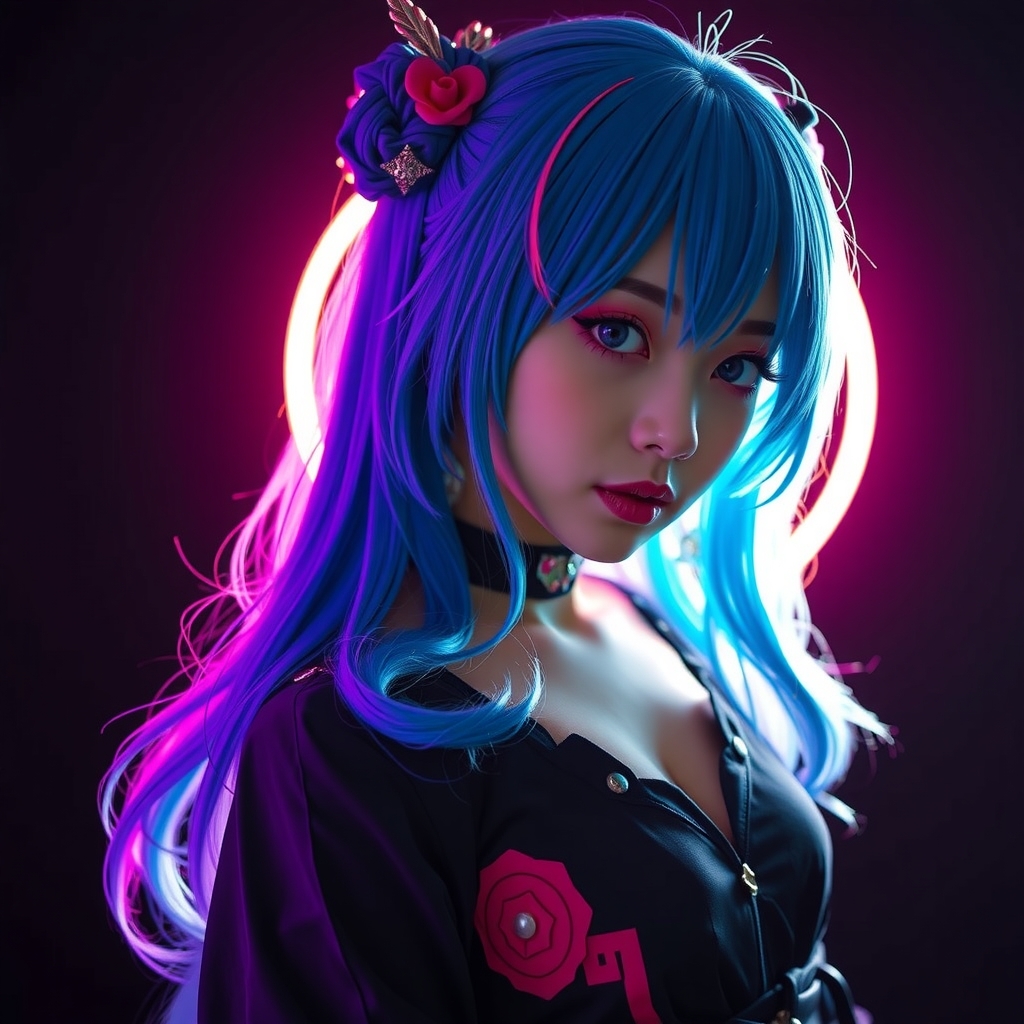
For many cosplayers, the difference between a costume that looks like a "costume" and one that looks like a "screen-accurate garment" lies entirely in the textile choice. While many builders rely on generic polyester blends from online retailers, those seeking professional-grade finishes often look toward South Korea. Seoul has evolved into a global hub for textile innovation, blending traditional weaving with high-tech synthetic production. For the anime fan, this means access to fabrics that mimic the structured look of military uniforms, the ethereal flow of magical girl gowns, and the matte finish of modern streetwear.
Understanding the Korean Textile Advantage
Korean fabrics are highly regarded in the cosplay community because they prioritize structural integrity and dye consistency. Unlike many mass-produced fabrics that suffer from "sheen"—that tell-tale plastic glimmer that ruins the realism of a character's outfit—Korean textiles often feature sophisticated matte finishes. This is particularly useful for anime characters whose designs are drawn with flat colors, as it prevents the garment from looking cheap under harsh convention lighting.
Furthermore, the variety of "interfacing" and "lining" materials available in Seoul is unmatched. In cosplay, the silhouette is everything. Whether you are creating a rigid shonen battle jacket or a voluminous lolita skirt, the secret is rarely the outer fabric, but rather the hidden support layers. Korean manufacturers specialize in high-density stabilizers that maintain their shape without adding excessive weight or heat, a critical factor for long convention days.
Selecting the Right Base Fabrics
When sourcing materials, it is helpful to categorize your needs based on the character's archetype. The following fabric types are staples of the Korean market and are ideal for specific anime aesthetics:
- High-Density Gabardine: Perfect for school uniforms, military coats, and formal suits. It provides a crisp edge and resists wrinkling, making it the gold standard for "slice-of-life" or tactical anime gear.
- Heavy-Weight Satin-Back Crepe: Ideal for elegant gowns or royal attire. This fabric offers a luxurious drape with a subtle luster that doesn't veer into "costumey" territory.
- Technical Neoprene Blends: Excellent for sci-fi or futuristic designs. These materials hold a 3D shape and are often used for armor-adjacent clothing or structured bodices.
- Premium Matte Jersey: The best choice for athletic wear or skin-tight suits. It offers superior elasticity and opacity compared to standard spandex.
Navigating the Fabric Markets
If you find yourself sourcing materials in Seoul, the experience is vastly different from a standard craft store. The markets are organized by material type, meaning you can compare twenty different shades of "midnight blue" across five different fabric weights in a single aisle.
When shopping, the most important tool is a physical swatch book. Because digital screens distort color, always check the fabric against a printed reference of your character's color palette. Additionally, pay close attention to the "hand" of the fabric—how it feels and moves. For anime costumes, you want to test the fabric by folding it sharply; if the crease remains, it is suitable for structured garments. If it bounces back instantly, it is better for flowing capes or dresses.
The Importance of Weight and GSM
One of the most useful metrics when buying high-end Korean fabric is GSM (Grams per Square Meter). Many professional sellers will provide this information. For cosplayers, understanding GSM helps in predicting how a garment will hang:
- Low GSM (under 150): Use for linings, light scarves, or sheer overlays.
- Medium GSM (150-250): Ideal for shirts, light dresses, and summer-themed character outfits.
- High GSM (250 and above): Necessary for trousers, heavy coats, and any garment that needs to hide the seams of the undergarments.
Advanced Finishing Techniques for Imported Fabrics
Once you have acquired high-quality Korean textiles, the construction method must match the material quality. High-density fabrics require specific needles and thread to avoid puckering. For gabardine and heavy blends, a Microtex needle is recommended to ensure a clean pierce through the tight weave.
Another critical consideration is the shrinkage rate. Many premium Korean blends are pre-shrunk, but it is a best practice to perform a "spot test" by washing a small scrap of the fabric before cutting your final pattern. This prevents the tragedy of a perfectly tailored jacket shrinking two sizes after its first cleaning.
Matching Hardware to High-End Textiles
A common mistake is pairing a luxury Korean fabric with cheap, plastic zippers or buttons. To maintain the professional look, source your notions from the same districts as your fabrics. Look for:
- Invisible Zippers: Essential for the seamless look of anime dresses.
- Metal Grommets: For a rugged, industrial feel in tactical gear.
- Weighted Hems: Small lead or plastic weights sewn into the bottom of capes to ensure they flow dramatically during movement.
Sustainability and Care
Investing in higher-quality materials means your costumes will last longer and can be repurposed for multiple versions of a character. To preserve the integrity of these fabrics, avoid high-heat ironing. Many Korean synthetics are heat-sensitive; using a pressing cloth (a thin piece of cotton between the iron and the fabric) is mandatory to prevent "scorching" or creating a permanent shiny patch on the material.
For cleaning, prefer spot-cleaning or dry cleaning for structured garments. If the fabric is a high-density blend, a cold-water soak with a mild detergent will preserve the dye vibrancy, ensuring your character's colors remain striking for years to come.
Final Summary for the Builder
Transitioning from standard craft store fabrics to professional Korean textiles is a significant step in a cosplayer's journey. By focusing on matte finishes, understanding GSM, and prioritizing structural integrity through high-quality interfacing, you can move beyond the "costume" feel and create garments that look like they were pulled directly from a production studio. The key is not just in the brand of the fabric, but in the intentional selection of weight and texture to match the visual language of the anime source material.