Introduction to Comfortable Cosplay Harnesses
Cosplay harnesses are a staple component in many costumes, providing support, stability, and a touch of realism. However, they can also be a source of discomfort, restriction, and frustration for cosplayers. A well-designed harness should prioritize comfort, breathability, and adjustability, allowing the cosplayer to focus on enjoying the event rather than worrying about their costume. In this article, we'll explore the essential techniques for creating cosplay harnesses that meet these requirements.
Understanding the Importance of Breathability
Breathability is crucial in cosplay harnesses, as it allows for airflow and moisture wicking, preventing the buildup of heat and sweat. This is particularly important for cosplayers who wear their costumes for extended periods or participate in physically demanding activities. To achieve breathability, consider using materials with natural ventilation, such as mesh panels, perforated fabrics, or breathable synthetic materials.
- Choose materials with a high thread count or loose weave to promote airflow.
- Incorporate mesh panels or ventilation zones in strategic areas, such as the back, shoulders, or underarms.
- Consider using moisture-wicking fabrics or treatments to help regulate body temperature.
Designing Adjustable Harnesses
An adjustable harness is essential for ensuring a comfortable and secure fit for cosplayers of different shapes and sizes. To achieve adjustability, consider incorporating features such as:
- Sliding buckles or adjustable straps to customize the fit.
- Elastic or stretchy materials to accommodate different body types.
- Multiple attachment points or anchorages to distribute the weight and stress of the harness.
When designing an adjustable harness, it's essential to strike a balance between flexibility and stability. A harness that is too loose may shift or sag during wear, while one that is too tight may cause discomfort or restriction.
Case Study: A Breathable and Adjustable Harness Design
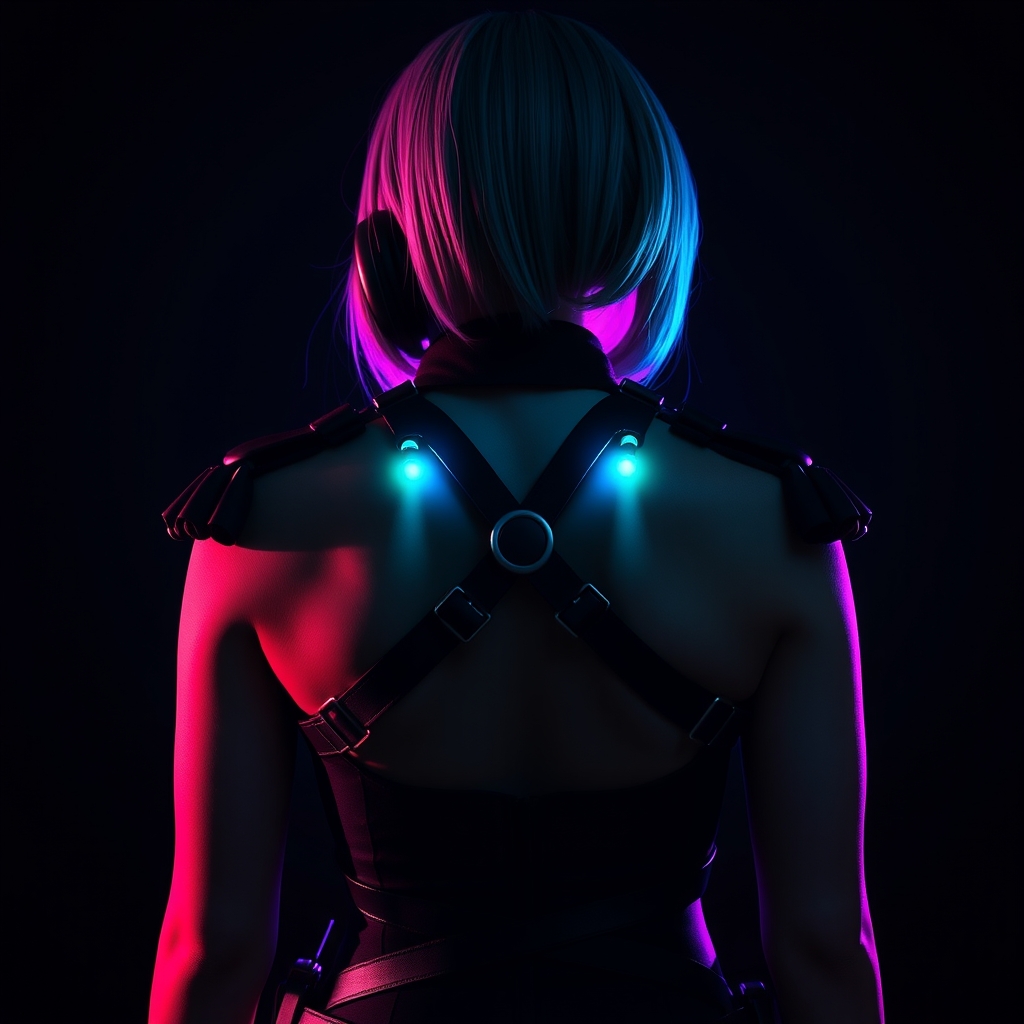
Let's consider a harness design that incorporates both breathability and adjustability. This design features:
- A mesh panel on the back, providing ventilation and airflow.
- Adjustable straps with sliding buckles, allowing for a customizable fit.
- Elastic materials used in the shoulder and chest areas, providing flexibility and comfort.
- Multiple attachment points, distributing the weight and stress of the harness.
Construction Techniques for Comfortable Harnesses
When constructing a cosplay harness, it's essential to prioritize comfort and durability. Consider using techniques such as:
- Binding or finishing raw edges to prevent chafing or irritation.
- Using soft, padded materials for areas that come into contact with the skin.
- Reinforcing stress points or high-wear areas with additional materials or stitching.
Additionally, consider using construction methods that promote airflow and breathability, such as:
- Leaving small gaps or vents in the harness for airflow.
- Using breathable materials for padding or reinforcement.
Conclusion and Best Practices
Designing a breathable and adjustable cosplay harness requires careful consideration of materials, construction techniques, and design features. By prioritizing comfort, breathability, and adjustability, cosplayers and builders can create harnesses that enhance the overall cosplay experience. Some best practices to keep in mind include:
- Choose materials that prioritize breathability and comfort.
- Incorporate adjustable features to ensure a secure and customizable fit.
- Use construction techniques that promote airflow and durability.
- Test and iterate on harness designs to ensure comfort and functionality.
By following these guidelines and techniques, cosplayers and builders can create harnesses that are both functional and comfortable, allowing for a stress-free and enjoyable experience.