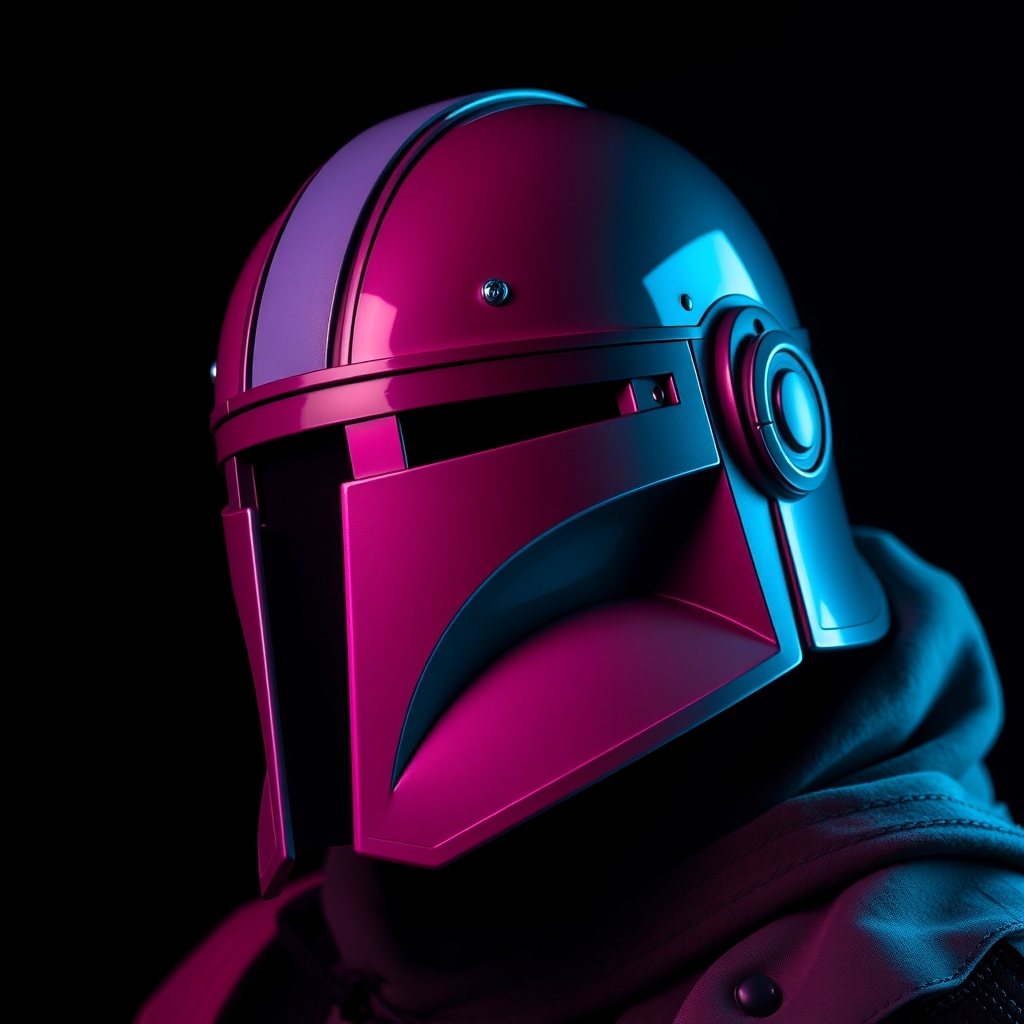

Introduction to Cosplay Mask Making
Creating intricate cosplay masks can seem like a daunting task, but with the right tools and techniques, you can achieve professional-looking results. In this guide, we'll walk you through the process of designing, 3D printing, and resin casting to create stunning cosplay masks. Whether you're a seasoned cosplayer or just starting out, this guide will provide you with the knowledge and confidence to take your costume game to the next level.
Designing Your Mask
Before you start 3D printing or resin casting, you need to have a solid design for your mask. Here are some tips to keep in mind:
- Research and reference: Gather inspiration from various sources, such as movies, anime, or video games. Take note of the shapes, textures, and details that make the character's mask unique.
- Sketch and iterate: Sketch out your design ideas by hand or using computer-aided design (CAD) software. Iterate on your design until you're satisfied with the result.
- Consider the wearer's comfort: Make sure your design allows for comfortable wear and doesn't obstruct the wearer's vision or hearing.
For 3D modeling, you can use software like Blender, Tinkercad, or Fusion 360 to create your design. If you're new to 3D modeling, start with simple shapes and gradually move on to more complex designs.
3D Printing Your Mask
Once you have a solid design, it's time to 3D print your mask. Here are some tips for 3D printing:
- Choose the right printer: Select a 3D printer that's suitable for printing detailed and intricate designs. Consider factors like resolution, layer thickness, and print speed.
- Select the right materials: Choose a 3D printing material that's suitable for your design. Popular options include PLA, ABS, and resin.
- Optimize your print settings: Adjust your print settings to achieve the best results. This may include adjusting layer thickness, infill density, and support material.
For beginners, it's recommended to start with a simple 3D printing project and gradually move on to more complex designs.
Resin Casting Your Mask
Resin casting is a great way to add durability and realism to your mask. Here's a basic overview of the resin casting process:
- Prepare your mold: Create a mold for your mask using silicone or resin. Make sure the mold is clean and dry before pouring in the resin.
- Mix and pour the resin: Mix the resin according to the manufacturer's instructions and pour it into the mold. Make sure to eliminate any air bubbles.
- Cure and demold: Allow the resin to cure and harden. Once set, carefully remove the mask from the mold.
When working with resin, make sure to follow safety precautions, such as wearing gloves and working in a well-ventilated area.
Finishing and Painting Your Mask
Once you have your mask printed and cast, it's time to add the finishing touches. Here are some tips for finishing and painting your mask:
- Sand and smooth: Sand down any rough edges or bumps. Use a primer to smooth out the surface.
- Paint and finish: Use acrylic paint or other mediums to add color and texture to your mask. Seal with a clear coat to protect the finish.
- Add details: Add details like eyes, eyebrows, or mouth to make your mask more realistic.
Practice makes perfect, so don't be discouraged if your first attempts at finishing and painting don't turn out as expected.
Conclusion and Troubleshooting
Creating intricate cosplay masks with 3D printing and resin casting requires patience, practice, and attention to detail. Don't be afraid to experiment and try new things – and don't be too hard on yourself if your first attempts don't turn out perfectly. Here are some common issues and troubleshooting tips:
- Warping or distortion: Check your print settings and make sure your printer is calibrated correctly.
- Air bubbles: Make sure to eliminate air bubbles when mixing and pouring resin.
- Rough finish: Sand down rough edges and use a primer to smooth out the surface.
For more resources and tutorials on 3D printing and resin casting, check out online communities like [Reddit's r/3DPrinting](https://www.reddit.com/r/3DPrinting/) and [Reddit's r/ resin casting](https://www.reddit.com/r/resincasting/).