Introduction to Shibori
Shibori is a traditional Japanese technique of resist dyeing fabric that has been used for centuries to create beautiful, intricate designs. The word "shibori" comes from the Japanese word "shiboru," which means "to wring or squeeze." This technique involves folding, twisting, or pleating fabric to create resistance areas, which are then dyed to produce unique patterns. In this guide, we'll explore the basics of shibori and how you can use it to enhance your cosplay costumes and accessories.
Basic Shibori Techniques
There are several basic techniques used in shibori, including:
- Folding: Folding fabric into accordion-like pleats or sharp creases creates resistance areas that resist dye.
- Twisting: Twisting fabric while it's folded or pleated creates spiral patterns.
- Pleating: Pleating fabric creates a series of small folds that resist dye.
- Bundling: Bundling fabric into tight knots or rolls creates unique, mottled patterns.
Preparing Fabric for Shibori
Before you start creating your shibori design, you'll need to prepare your fabric. Choose a natural fiber like cotton, silk, or wool, as these work best with shibori. Wash and dry your fabric to remove any finishes that might affect the dye. You can also use a fixative like alum or vinegar to help the dye bind to the fabric.
Creating Shibori Designs
Once you've prepared your fabric, it's time to create your shibori design. Here are a few tips to get you started:
- Start with a simple design: Begin with a simple fold or pleat and experiment with different techniques.
- Use a resist: Apply a resist like wax or starch to areas of the fabric to create intricate designs.
- Experiment with color: Try out different dye colors and combinations to create unique, multi-colored designs.
- Be patient: Shibori can be a slow and meditative process, so don't be afraid to take your time.
Common Shibori Mistakes to Avoid
While shibori can be a fun and rewarding technique, there are a few common mistakes to avoid:
- Inconsistent folding: Make sure your folds are even and consistent to achieve a uniform design.
- Insufficient dye: Use enough dye to achieve the desired color intensity.
- Over-dyeing: Avoid over-dyeing, as this can cause the colors to become muddy or uneven.
Incorporating Shibori into Your Cosplay
Shibori can add a unique and eye-catching element to your cosplay costumes and accessories. Here are a few ways to incorporate shibori into your cosplay:
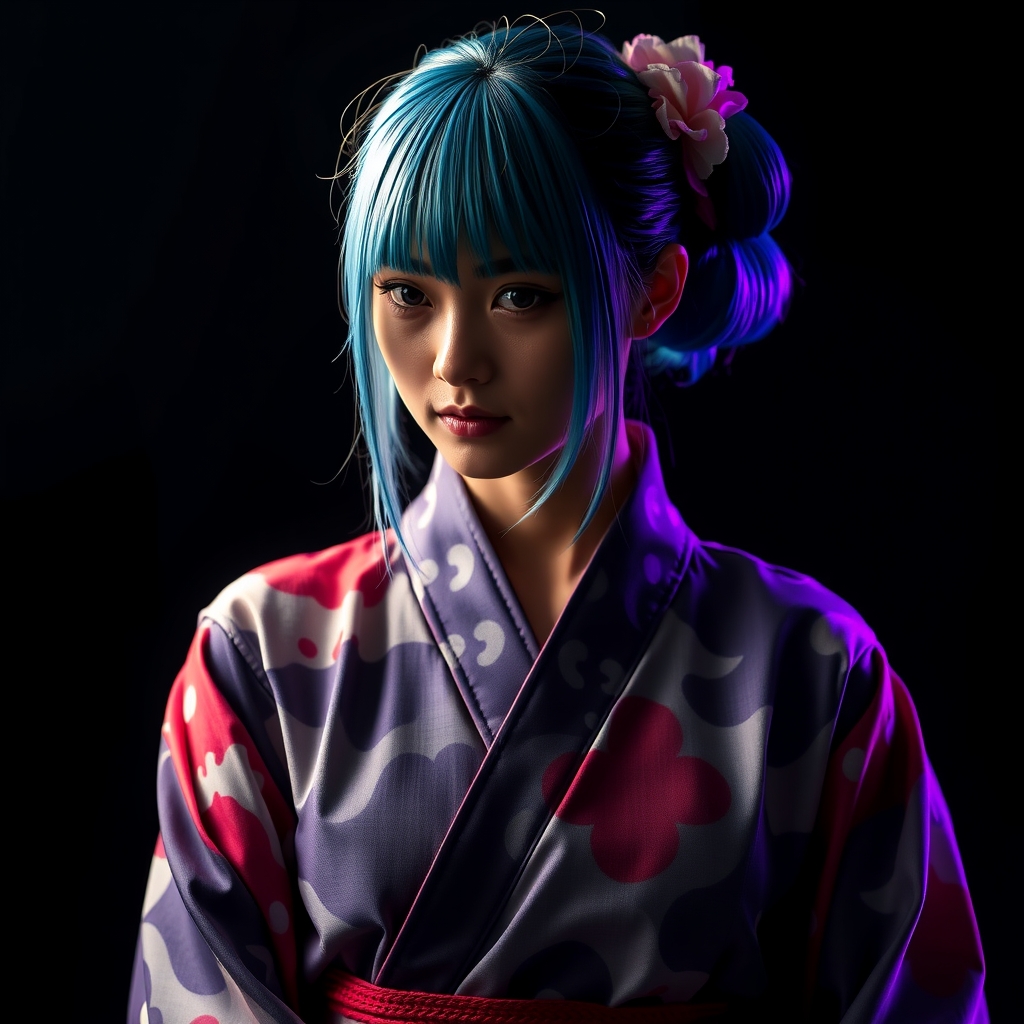
- Use shibori fabric for costumes: Create a stunning costume with shibori-dyed fabric, or use it as an accent piece.
- Add shibori details: Use shibori techniques to create intricate details like cuffs, collars, or sashes.
- Make shibori accessories: Create shibori-dyed accessories like scarves, hats, or bags to add a pop of color to your cosplay.
Conclusion and Resources
With these basics and tips, you're ready to start exploring the world of shibori for your cosplay needs. For further learning, you can check out online tutorials and videos, or join a local textile art group to connect with other shibori enthusiasts. You can also find more information on shibori techniques and inspiration by visiting textile arts websites and Pinterest boards.