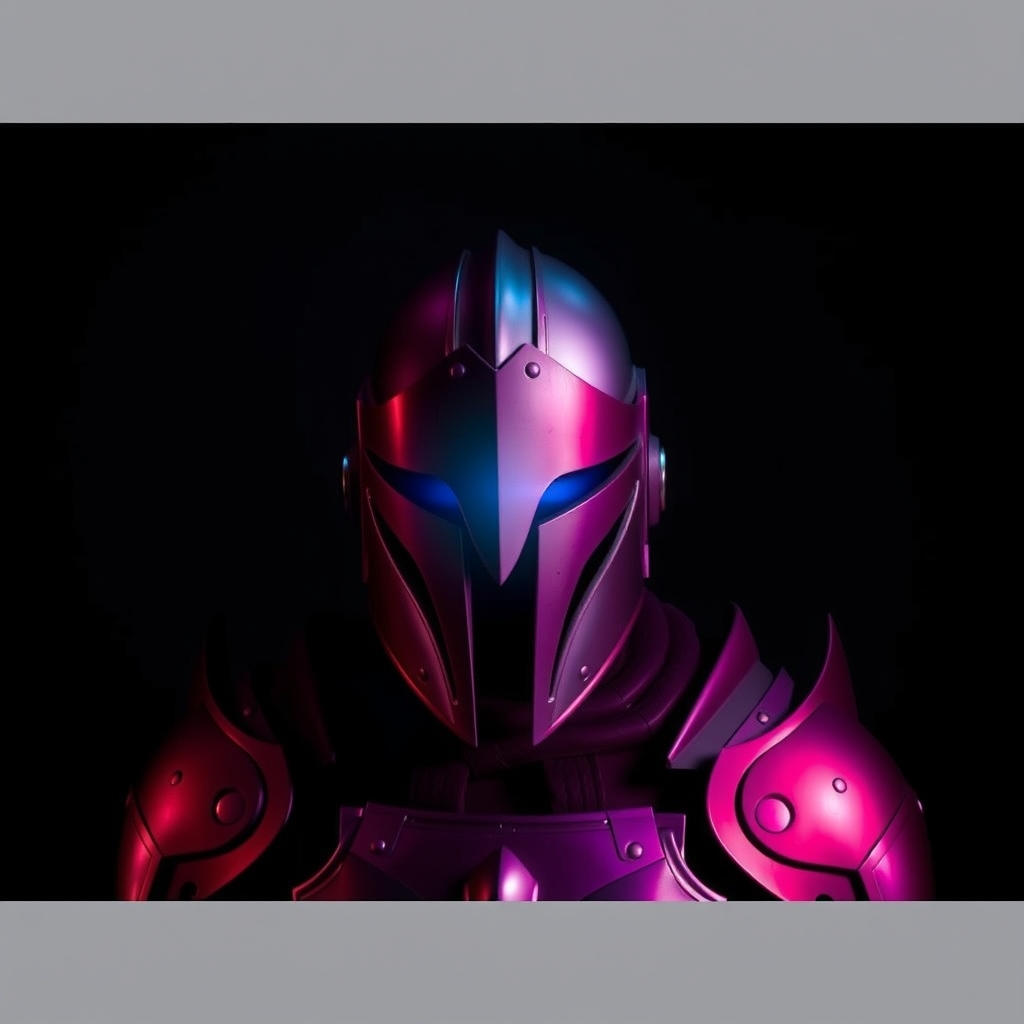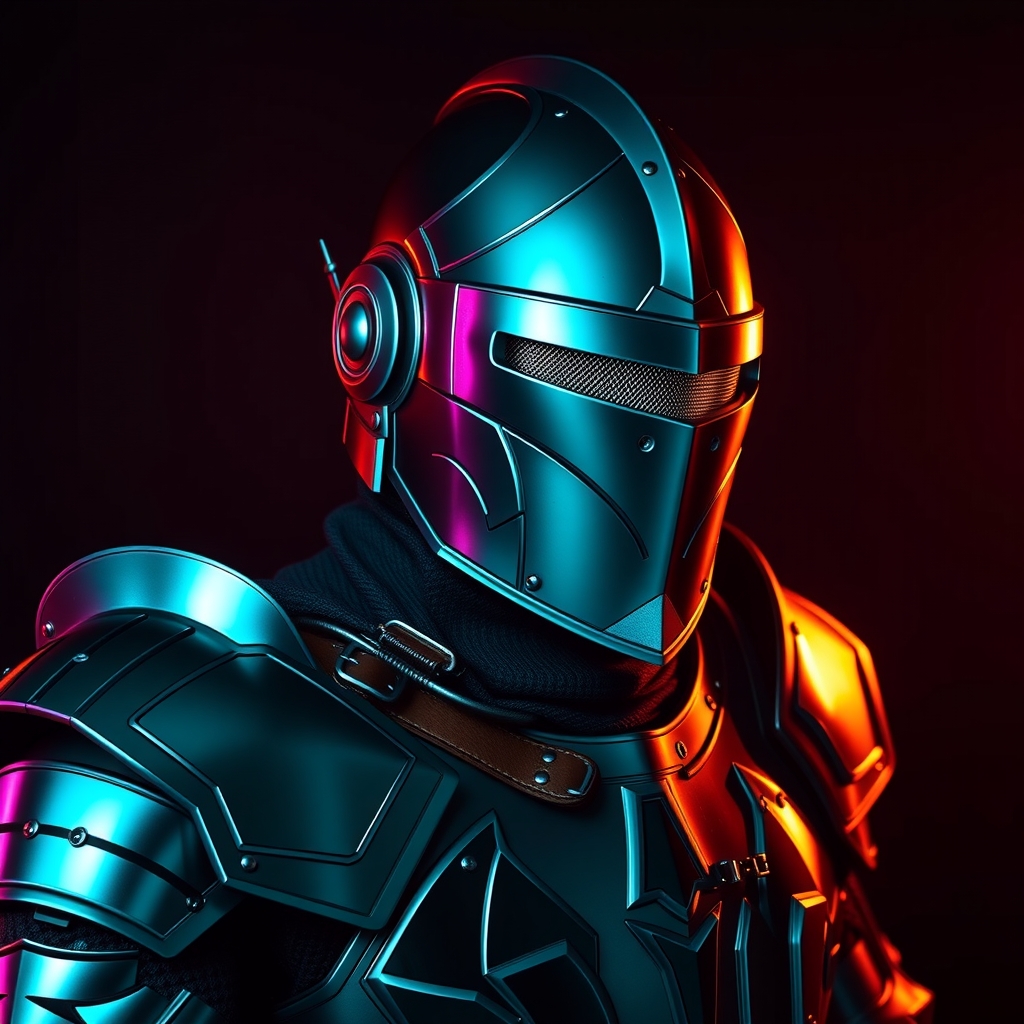

Introduction to 3D Printed Mesh in Cosplay
As cosplayers continually push the boundaries of creativity and realism in their craft, the quest for innovative materials and techniques has led to the exploration of 3D printed mesh. This versatile material offers a unique blend of flexibility, durability, and detail, making it an attractive option for prop-makers aiming to achieve intricate designs. In this guide, we'll delve into the process of working with 3D printed mesh, from understanding its properties to bringing your detailed cosplay prop designs to life.
Understanding 3D Printed Mesh
3D printed mesh refers to a type of lattice structure produced through additive manufacturing, also known as 3D printing. This method allows for the creation of complex geometries that would be difficult or impossible to achieve with traditional manufacturing techniques. The mesh structure can vary in density, pattern, and material, offering a wide range of possibilities for prop-making.
- Flexibility: 3D printed mesh can be flexible or rigid, depending on the material used and the design of the mesh.
- Durability: The durability of 3D printed mesh props can be impressive, with resistance to impact and wear.
- Detail: The level of detail achievable with 3D printed mesh is highly dependent on the printing technology and the skill of the designer.
Designing for 3D Printed Mesh
Before diving into the production of your prop, it's crucial to consider the design implications of working with 3D printed mesh. The mesh can be used as a primary structure or as a decorative element, and its integration into your prop design requires careful planning.
Software and Design Tools
A variety of software tools are available for designing 3D printed mesh, including computer-aided design (CAD) programs and 3D modeling software. These tools allow you to create complex designs and adjust parameters such as mesh density and pattern.
- Choose the right software: Familiarize yourself with software that supports 3D mesh design, such as Blender, Tinkercad, or Fusion 360.
- Design for printability: Ensure your design is optimized for 3D printing, considering factors like support material and print orientation.
- Iterate and refine: Be prepared to make adjustments to your design based on the printing and post-processing stages.
Printing and Post-Processing
The 3D printing process can vary significantly depending on the technology used (e.g., SLA, SLS, FDM) and the material properties. Post-processing is also a critical step, as it can enhance the appearance and functionality of your prop.
Choosing the Right Printing Technology
Different 3D printing technologies offer various advantages, such as resolution, material compatibility, and cost. Research the available options to select the one that best suits your project's needs.
Post-Processing Techniques
Post-processing can include a range of techniques, from simple cleaning and sanding to more complex processes like painting and applying finishes.
- Cleaning: Remove any residual material or support structures.
- Sanding: Smooth out surfaces for a more refined finish.
- Painting and Finishing: Apply colors and textures to achieve the desired look.
Tips for Successful 3D Printed Mesh Props
To ensure the success of your 3D printed mesh prop, consider the following tips:
Collaboration and Community
Engage with the 3D printing and cosplay communities to share knowledge, learn from others' experiences, and get feedback on your work.
Experimentation and Patience
Working with 3D printed mesh often requires experimentation and patience. Be prepared to try new techniques and iterate on your designs.
Conclusion
3D printed mesh offers a world of creative possibilities for cosplay prop-making, allowing for the creation of detailed, durable, and flexible designs. By understanding the properties of 3D printed mesh, carefully planning your design, and mastering printing and post-processing techniques, you can unlock new levels of realism and intricacy in your cosplay props. Whether you're a seasoned prop-maker or just starting to explore the potential of 3D printing, this guide provides a foundation for incorporating 3D printed mesh into your craft.