
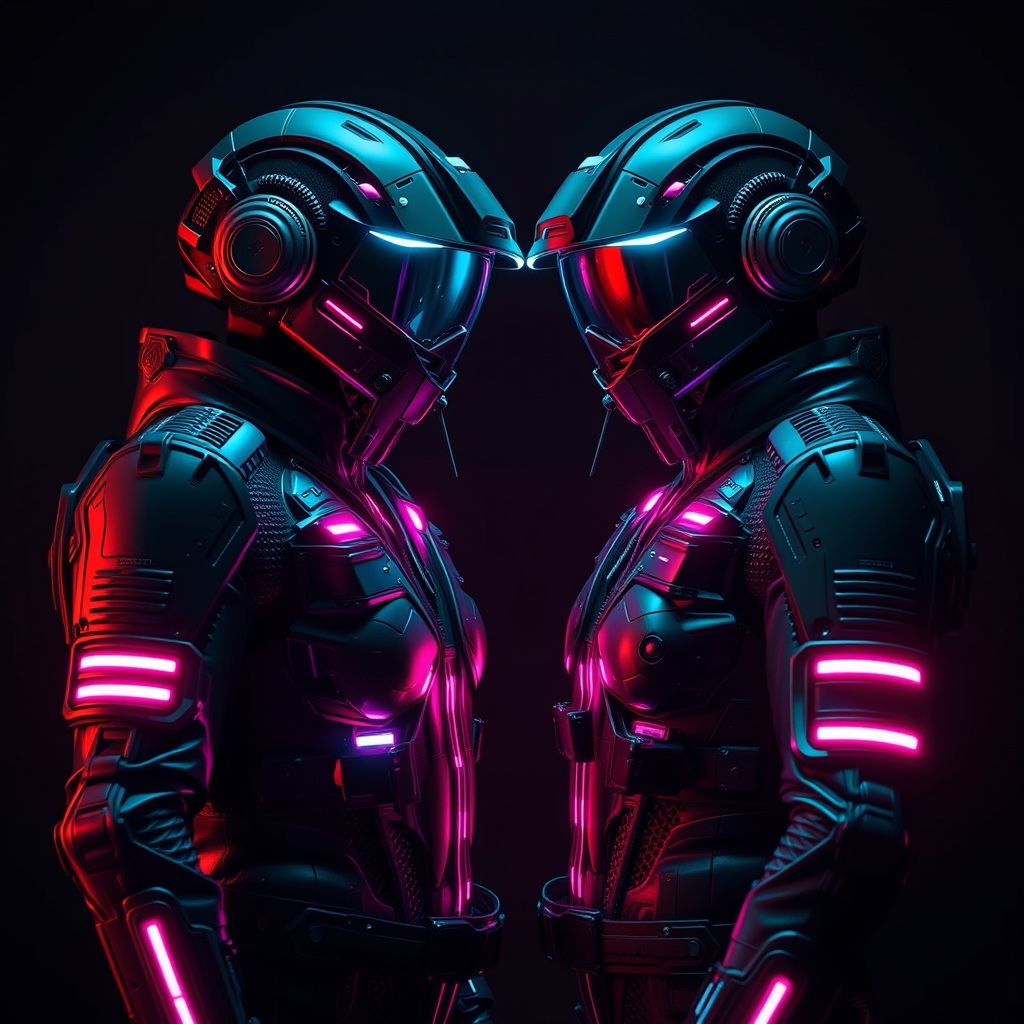
The Anatomy of a Netrunner Aesthetic
In the neon-drenched sprawl of Night City, a Netrunner’s suit is more than just clothing; it is a tactical interface. To capture the look of Cyberpunk 2077, you must move beyond the standard spandex bodysuit. The key to a high-fidelity build lies in the contrast between matte synthetic fabrics and high-gloss, technical accents. A successful Netrunner suit relies on a layered base—typically a compression-fit tactical suit—augmented with 3D-printed armor plating and integrated light-emitting components.
Sourcing Rare Materials for a Futuristic Finish
The secret to the "Cyberpunk" texture is sourcing materials that mimic industrial polymers and carbon fiber. Standard craft foam often looks too soft; instead, look toward high-density EVA foam sealed with a flexible, high-gloss polyurethane coating. For the base layer, prioritize four-way stretch athletic fabric, specifically those with a hexagonal or honeycomb weave pattern. These textures catch light in a way that mimics the digital aesthetic of the game.
For the iconic glowing circuitry, avoid standard LED strips if possible. They are often too bulky and prone to diffusion issues. Instead, source electroluminescent (EL) wire or, for a more modern approach, side-emitting fiber optic cables. Fiber optics allow you to create intricate, thin patterns that look like data streams, which can be powered by a small, concealable 5V battery pack tucked into a thigh holster or a lumbar-mounted utility pouch.
Structural Integrity and Patterning
Netrunner suits are notoriously tight-fitting, which presents a challenge: how do you add armor without losing the silhouette? The answer is "paneling." Do not attach armor directly to the skin-tight base layer. Instead, create a secondary, lightweight harness system worn underneath the base layer, or use industrial-strength hook-and-loop fasteners (Velcro) to attach panels to specific tension points on the suit.
When drafting your patterns, use the "tape method." Put on a base compression suit, cover the areas where you want armor with painter's tape, and draw your panel shapes directly onto the tape. This ensures the armor is perfectly contoured to your specific body shape. Once you peel the tape off, cut it into flat pieces to use as your templates for 3mm EVA foam or thermoplastic sheets like Worbla.
Integrating Tech: Lighting and Connectivity
A Netrunner build is incomplete without the "jack-in" aesthetic. To create the look of ports and cables, utilize modular 3D-printed connectors. You can find high-quality 3D models of Cyberpunk-inspired data ports on sites like Thingiverse or Printables. Once printed, finish these with a metallic base coat and a black wash to add depth and grime.
For the wiring, use braided cable sleeves to bundle your fiber optic lines. This gives the appearance of high-tech cabling rather than loose wires. Ensure that your power source is accessible from the exterior of the suit; nothing kills the immersion of a convention day faster than needing to strip off your entire suit to swap out a dead battery. Create a "maintenance hatch"—a magnetic panel on the back or thigh—that allows you to reach your power switch and battery packs easily.
Weathering: Bringing Night City to Life
A pristine suit looks like a costume; a weathered suit looks like a veteran of the Arasaka-Militech war. Cyberpunk is a gritty, lived-in world. Once your suit is assembled, it needs to look like it has been through the meat grinder of the Afterlife.
Start by dry-brushing metallic silver or gunmetal acrylic paint onto the edges of your armor panels to simulate chipped paint and wear. Use a dark brown or black oil wash in the recessed areas to create depth. For fabric, use a light misting of grey or tan spray paint from a distance to dull the "brand new" sheen of the synthetic materials. Finally, add subtle "oil stains" or "data corruption" markings using stencils and a sponge to give the suit a bespoke, custom-modified feel.
Practical Tips for Convention Longevity
Wearing a full-body Netrunner suit for eight hours at a convention is an endurance sport. Heat management is your biggest enemy. If you are using non-breathable materials like PVC or heavy latex, ensure you have ventilation points hidden in the underarm or inner-thigh regions. You can use mesh fabric to cover these cutouts; it will remain invisible from a distance while providing critical airflow.
Additionally, prioritize comfort in your footwear. Most Netrunner boots in the game have a futuristic, platform-like design. Rather than wearing uncomfortable, non-supportive DIY boots, build a "boot cover" or "shoe shroud" that fits over a comfortable pair of tactical sneakers. Your feet will thank you by the end of the day, and you will be able to navigate the convention floor with the agility of a true runner.
Final Checklist for Construction
- Base Layer: Compression suit with moisture-wicking properties.
- Armor: 3mm EVA foam, sealed with Plasti Dip for a smooth, rubberized finish.
- Illumination: Fiber optic cables with a 5V LED light source for thin, precise lines.
- Fasteners: High-strength magnets or industrial Velcro for modular armor attachment.
- Weathering: Acrylic dry-brushing and oil washes for a realistic, combat-worn aesthetic.