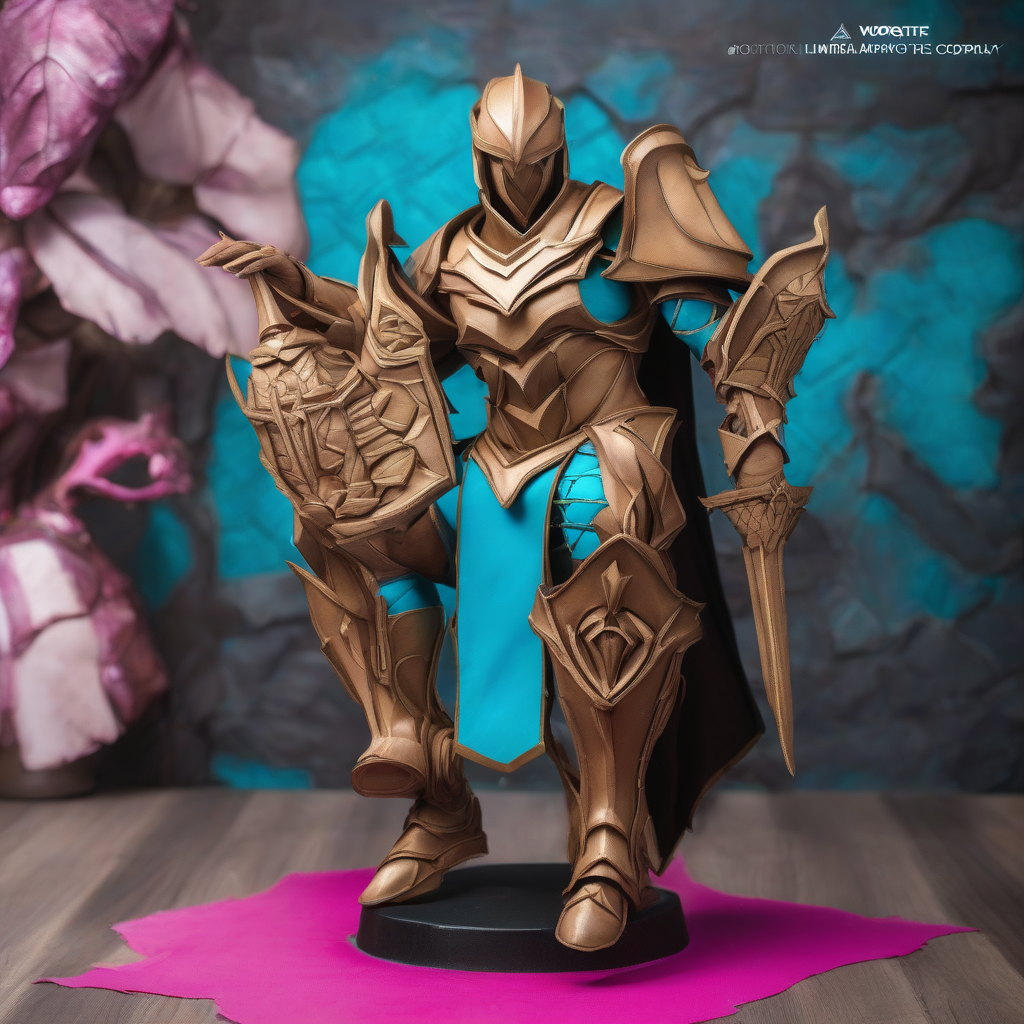
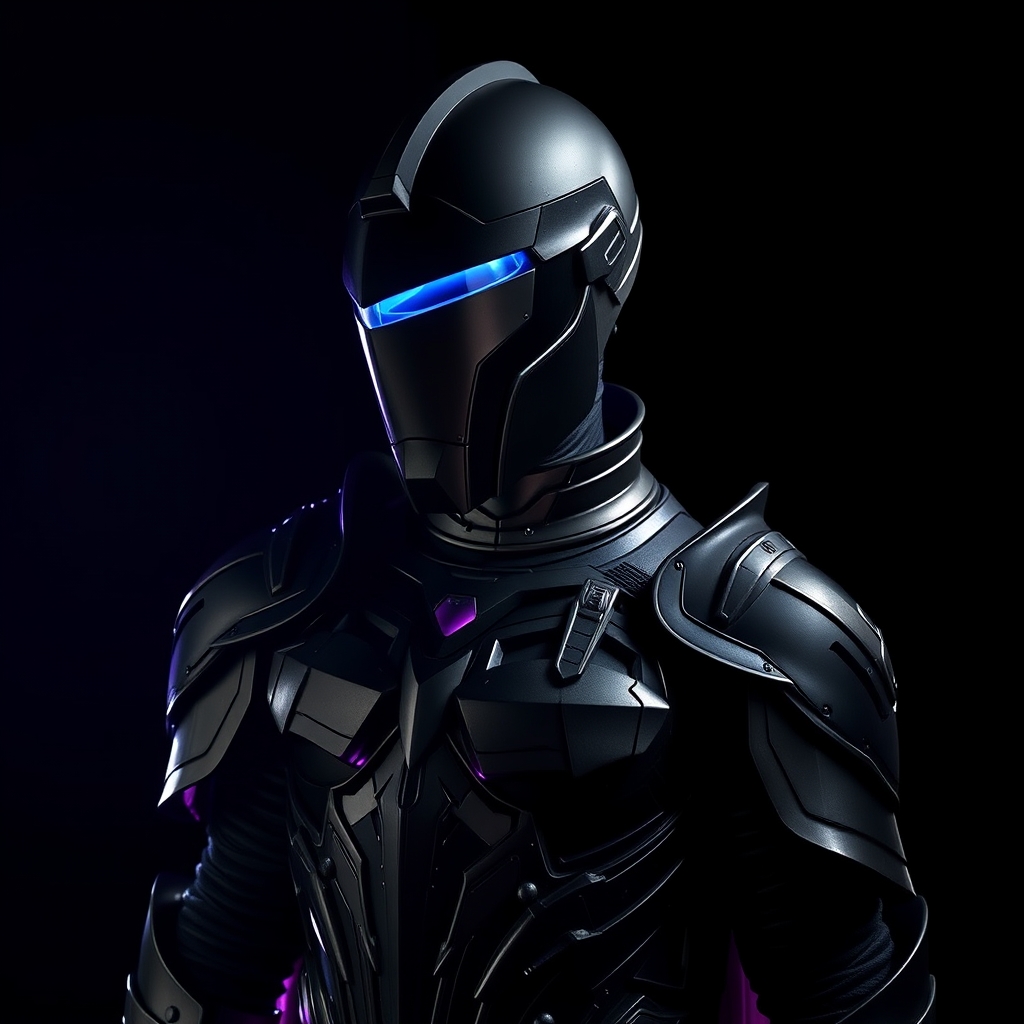
## Introduction to Budget-Friendly Cosplay Armor
Creating hyper-realistic cosplay armor doesn't have to drain your bank account. While EVA foam is a staple material for many cosplayers, combining it with other unexpected materials can add depth, texture, and realism to your armor pieces. In this article, we'll explore five unconventional materials that can be used in conjunction with EVA foam to take your cosplay armor to the next level.
## Material 1: Cardboard - The Unsung Hero of Cosplay Crafting
Cardboard is often overlooked as a crafting material, but it can be a game-changer for cosplay armor. Its rigidity and versatility make it an excellent base for adding EVA foam, fabric, or other materials. For example, you can use cardboard to create the base structure of a breastplate or shoulder pad, and then cover it with EVA foam to add texture and shape.
To work with cardboard, simply cut it to shape using a craft knife or scissors, and then glue it together using hot glue or epoxy. You can also use cardboard to create intricate details, such as rivets or bolts, by cutting out small shapes and attaching them to your armor piece.
## Material 2: Fabric - Adding Texture and Movement to Your Armor
Fabric can add a surprising amount of depth and texture to your cosplay armor. By wrapping fabric around EVA foam or cardboard, you can create a more organic and dynamic look. For example, you can use a thick, woven fabric to create a textured, scaly effect on a shoulder pad or gauntlet.
To work with fabric, simply cut it to shape and wrap it around your armor piece, securing it with hot glue or a strong adhesive. You can also use fabric paint or markers to add additional details, such as stitching or embroidery.
## Material 3: Paper Mache - A Classic Crafting Technique for Cosplay
Paper mache is a classic crafting technique that can be used to create hyper-realistic cosplay armor. By applying layers of paper mache to a base structure made from EVA foam or cardboard, you can create a smooth, seamless surface that can be painted and finished to look like metal or leather.
To work with paper mache, simply tear strips of paper into long, thin pieces and apply them to your armor piece using a mixture of water and glue. Allow each layer to dry before adding additional layers, and then sand and paint your armor piece to finish.
## Material 4: Recycled Plastics - Turning Trash into Cosplay Treasure
Recycled plastics, such as old bottles or containers, can be transformed into hyper-realistic cosplay armor with a little creativity. By melting or shaping the plastic into desired forms, you can create unique and intricate details, such as buckles or rivets.
To work with recycled plastics, simply clean and dry the plastic, and then use a heat gun or other tool to shape it into the desired form. You can also use adhesives, such as hot glue or epoxy, to attach the plastic details to your armor piece.
## Material 5: Modeling Putty - Adding Fine Details to Your Armor
Modeling putty, such as epoxy or polymer clay, can be used to add fine details to your cosplay armor. By applying the putty to small areas, such as seams or joints, you can create a highly realistic and detailed look.
To work with modeling putty, simply apply it to the desired area using a small tool or modeling tool, and then allow it to dry before sanding and painting.
## Tips and Tricks for Working with Unconventional Materials
When working with unconventional materials, it's essential to keep a few things in mind:
- Experiment and test your materials before committing to a large project.
- Use adhesives and tools specifically designed for the material you're working with.
- Keep your design simple and adaptable to ensure that your materials can be worked with easily.
- Don't be afraid to combine materials to achieve the desired look.
By incorporating these unexpected materials into your cosplay armor crafting routine, you can create hyper-realistic pieces that will take your cosplay to the next level - all on a budget.
## Conclusion
Creating hyper-realistic cosplay armor doesn't have to break the bank. By combining EVA foam with unexpected materials, such as cardboard, fabric, paper mache, recycled plastics, and modeling putty, you can achieve a highly realistic and detailed look without sacrificing quality or budget. Whether you're a seasoned cosplayer or just starting out, these materials can help you take your cosplay armor to the next level and stand out at your next convention or photoshoot.
## Additional Resources
For more information on crafting cosplay armor, check out these resources:
* [The Cosplay Armor Guide](https://www.cosplayarmor.com/guide) * [EVA Foam Crafting Tutorial](https://www.youtube.com/watch?v=dQw4w9WgXcQ) * [Cosplay Crafting Facebook Group](https://www.facebook.com/groups/cosplaycrafting)