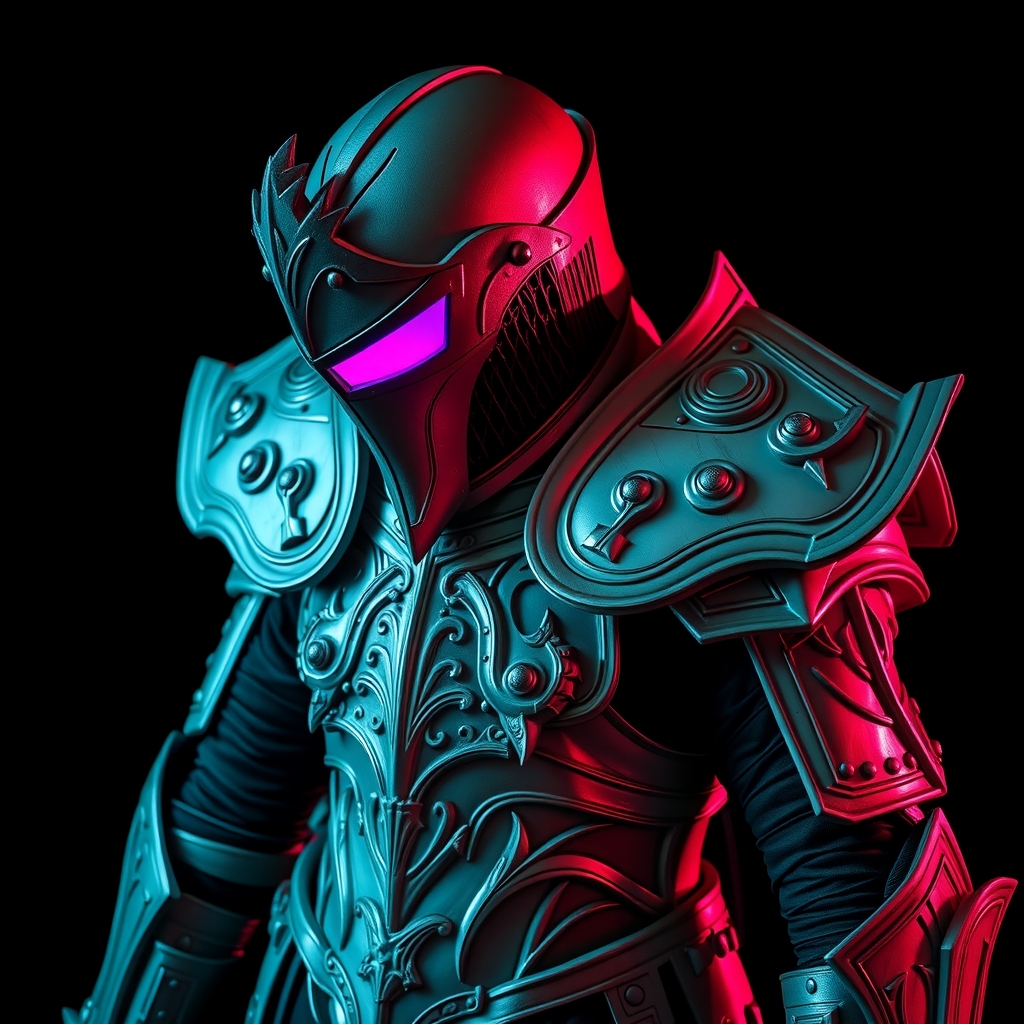

For many cosplayers, the most daunting part of a new build is the cost of materials. High-density EVA foam, Worbla, and specialized resins can quickly drain a budget before the first costume piece is even finished. However, some of the most effective prop-making secrets don't happen in a specialty craft store, but in the aisles of local thrift shops. The key to successful thrifting for cosplay is "material thinking"—the ability to look past an object's intended purpose and see its raw geometry, texture, and structural potential.
By repurposing existing household items, you can skip the tedious process of building a base from scratch and move straight to the detailing and painting phases. Here are five overlooked thrift store gems and how to transform them into professional-grade anime accessories.
1. Plastic Colanders and Strainers
At first glance, a kitchen colander seems useless for a costume. However, the curved, rigid plastic of a strainer provides a perfect foundation for several types of anime-style headgear and armor components. Because they are already molded into a dome or bowl shape, they save hours of heat-forming foam.
Practical Applications
- Cyberpunk Helmets: Use a plastic colander as the base for a futuristic helmet. The existing holes can be repurposed as ventilation ports or mounting points for LEDs and wires.
- Shoulder Pauldrons: Small strainers can be cut and modified to create curved shoulder armor. The rigidity of the plastic ensures the armor holds its shape better than thin foam.
- Sci-Fi Gauntlets: By cutting a strainer in half lengthwise, you create a curved shell that fits perfectly over the forearm.
To modify these, use a rotary tool to trim the edges. Fill the existing holes with a mixture of epoxy putty or hot glue if you want a smooth surface, then sand the area flush before priming.
2. Old Picture Frames and Wooden Plaque Bases
Many cosplayers overlook the "home decor" section, but the wooden frames and decorative plaques found there are goldmines for structural support. Anime weapons often require a rigid core to prevent them from drooping or snapping during a convention walk.
Practical Applications
- Weapon Cores: The wooden slats from a sturdy picture frame can be glued together to create a rigid internal spine for oversized swords or staves.
- Ornamental Shield Bases: Large, ornate wooden frames can be stripped of their glass and used as the outer rim for a circular shield or a magical seal.
- Prop Pedestals: If your character carries a book or a ritual object, a wooden plaque provides a stable, flat base that can be carved or layered with foam.
When using thrifted wood, always sand the surface thoroughly to remove old varnish. Apply a layer of gesso or primer to seal the wood, which prevents the paint from soaking in and ensures a vibrant, anime-accurate color finish.
3. Hard-Shell Luggage and Plastic Storage Bins
Large-scale armor pieces, such as chest plates or oversized boots, require a balance of lightness and strength. Hard-shell suitcases and heavy-duty plastic bins are made from thermoplastics that respond well to modification.
Practical Applications
- Chest Armor: The curved shell of a small hard-sided suitcase can be trimmed to fit the torso, providing a pre-curved breastplate that is significantly more durable than cardboard.
- Mechanical Boots: Cut the bottom sections of plastic storage bins to create oversized, robotic boot covers. These can be layered with EVA foam to hide the "bin" origin.
- Equipment Cases: For characters who carry gadgets or medical kits, a small thrifted vanity case can be repainted and weathered to look like high-tech gear.
To shape these materials, use a heat gun carefully. Be cautious not to overheat the plastic, as it can warp or release fumes. Always work in a well-ventilated area and use a low setting to gently nudge the plastic into the desired contour.
4. Costume Jewelry and Broken Lampshades
Anime character designs often feature intricate, glowing, or crystalline accessories that are expensive to buy as finished products. Instead of purchasing high-end resins, look for discarded costume jewelry and old lampshades.
Practical Applications
- Crystal Shards: Large, faux-gemstone necklaces or earrings can be disassembled. The acrylic "gems" can be glued to armor or weapons to represent power sources or magical enhancements.
- Diffusers for Lighting: Frosted plastic lampshades are excellent light diffusers. If you are installing LEDs into a prop, a piece of a frosted lampshade will soften the harsh light of the LED, creating a professional "glow" effect.
- Filigree Detailing: Metal costume jewelry pieces can be glued onto fabric or foam to add an instant look of luxury and detail without the need for complex sculpting.
To integrate these pieces, use a strong adhesive like E6000 or a two-part epoxy. If the jewelry is too shiny, a light coat of matte clear spray can make the pieces look more like natural stone or aged metal.
5. Upholstery Foam and Old Pillows
While most builders swear by EVA foam, it can be expensive in large quantities. Thrifted cushions, old pillows, and upholstery scraps can serve as the "bulk" layer of a costume, allowing you to save your expensive high-density foam for the visible detail work.
Practical Applications
- Muscle Padding: Cut upholstery foam into organic shapes to create chest or bicep padding for muscular characters. This provides a more natural silhouette than stuffing a garment with cotton.
- Prop Volume: Use old pillow stuffing or foam scraps to build the internal volume of a giant prop (like a massive hammer) before covering it with a thinner, paintable skin.
- Comfort Linings: Glue thin strips of thrifted foam to the inside of hard armor pieces to prevent chafing and improve the fit against the body.
To shape upholstery foam, use heavy-duty fabric scissors. Since this foam is more porous than EVA, you cannot heat-seal it. Instead, cover it with a layer of fabric or a thin sheet of craft foam to create a smooth surface for painting.
Final Tips for the Budget Builder
The secret to making thrifted items look professional is the finishing process. No matter how "cheap" the base material is, a consistent priming and painting routine will unify the piece. Start with a filler primer to hide seams and textures, then apply your base coat in thin layers. Finally, add weathering—such as acrylic washes or dry-brushing—to give the accessory a sense of history and weight.
By shifting your perspective from "what is this object" to "what is this material," you can build complex, high-quality anime accessories without a professional studio budget. The thrift store is not just a place for old clothes; it is a warehouse of raw components waiting to be reimagined.