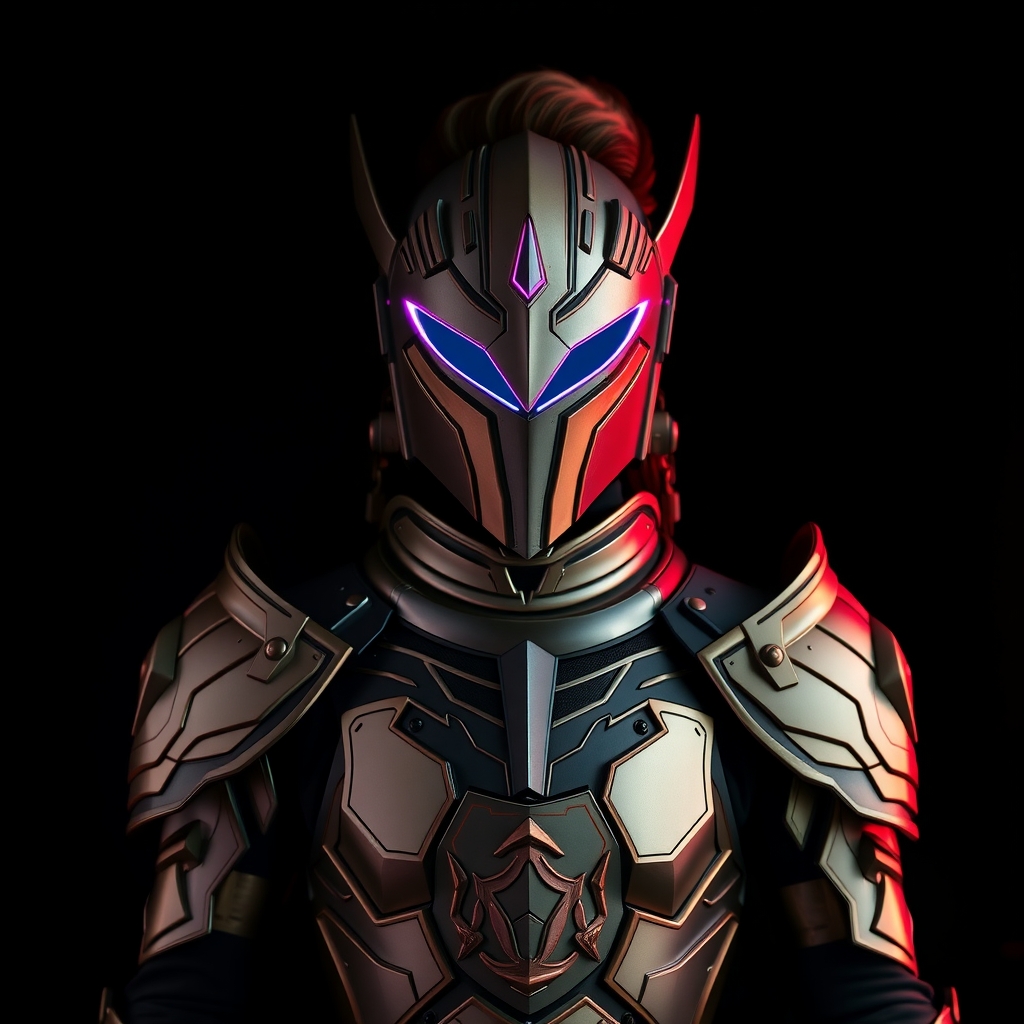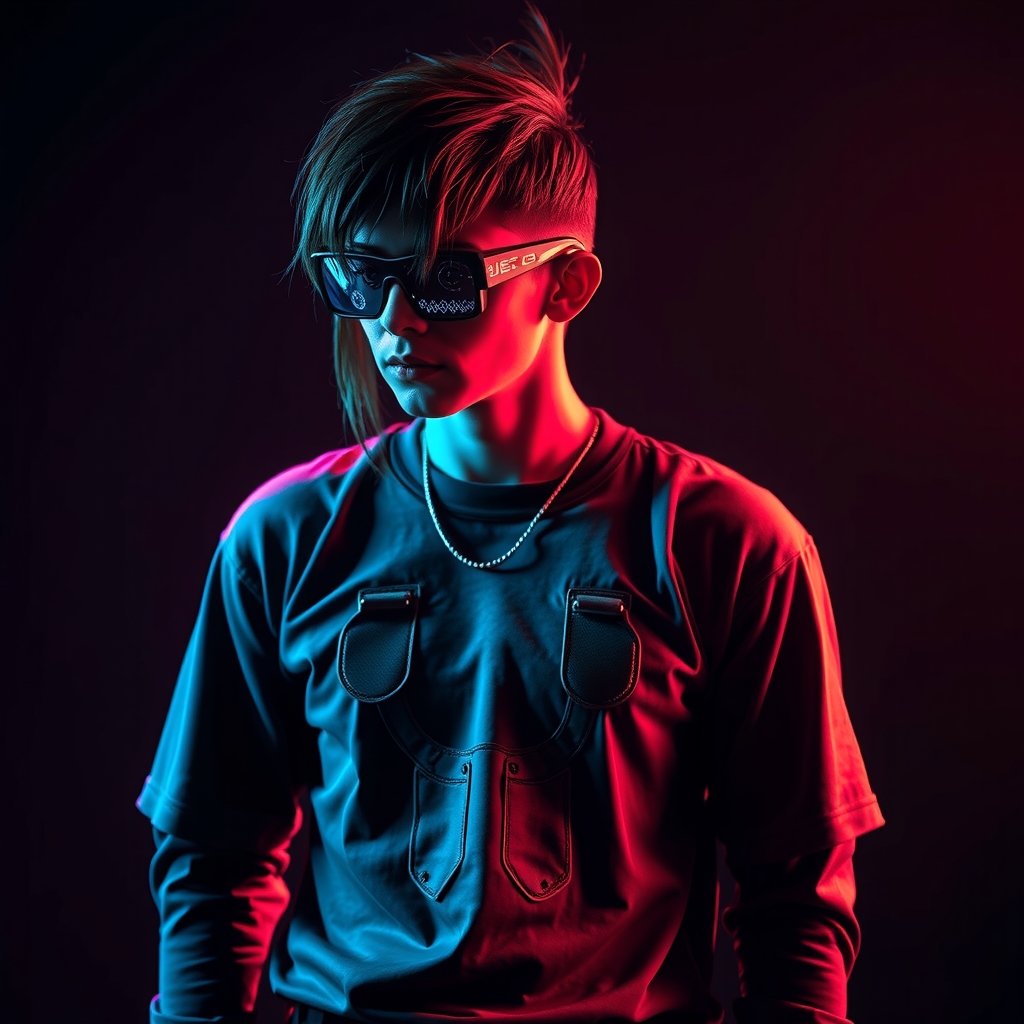

Many cosplayers struggle with the "costume look"—that overly bright, flat, and synthetic appearance that often comes with store-bought polyester fabrics. In anime, character designs often feature muted earth tones, subtle gradients, or weathered textures that imply a history of travel, battle, or nobility. While commercial dyes are efficient, they often produce a monochromatic saturation that lacks depth. Natural dyeing allows a creator to build color in layers, introducing the organic irregularities and tonal shifts that make a garment look like a real piece of clothing rather than a costume.
Understanding Fiber Compatibility
Before introducing dyes to your fabric, you must understand the chemistry of your textiles. Natural dyes bond differently depending on the fiber source. Generally, dyes are categorized by whether they work best on protein fibers or cellulose fibers.
Protein Fibers
These include wool, silk, and alpaca. Protein fibers are highly receptive to natural dyes because their molecular structure allows the pigment to bond easily. If you are aiming for a royal cloak or a delicate kimono, these fabrics will hold deep, rich colors with minimal effort.
Cellulose Fibers
These include cotton, linen, and hemp. These fibers are more stubborn and often require a "mordant"—a substance that acts as a bridge between the fabric and the dye—to ensure the color doesn't wash out. For rugged adventurer gear or peasant tunics, linen is the gold standard for natural dyeing due to its visible weave and organic texture.
The Role of Mordanting
To prevent your hard work from fading during the first rain shower at a convention, you must mordant your fabric. A mordant is typically a mineral salt that fixes the dye to the fiber. Without this step, many natural dyes act as "fugitive" colors, meaning they will bleed or fade rapidly.
- Alum (Potassium Aluminum Sulfate): The most common and safest mordant for most cosplayers. It preserves the brightness of the color and is suitable for both protein and cellulose fibers.
- Iron (Ferrous Sulfate): Used as a "modifier." Iron doesn't just fix the color; it "saddens" it. If you have a yellow dye but want a mossy olive green for a military uniform, an iron dip will shift the hue toward a darker, moodier tone.
- Tannins: Found in oak galls or strong black tea. Tannins are essential for cotton and linen; they are often used as a pre-treatment before the alum bath to help the mineral salt adhere to the plant-based fiber.
Sourcing Natural Pigments
You do not need a professional laboratory to begin natural dyeing. Many of the most effective pigments are found in a kitchen or a garden. The key is to understand which materials produce which anime-inspired palettes.
The Earthy Palette (Yellows and Browns)
Turmeric produces a vibrant, sunny yellow, though it is light-sensitive. For a more permanent golden hue, onion skins (both yellow and red) are incredibly potent. To achieve the deep browns seen in leather-like fabrics or rugged boots, black tea or coffee infusions provide a reliable, layered stain that looks naturally aged.
The Botanical Palette (Greens and Pinks)
True greens are rare in nature and usually require a two-step process. You can dye a fabric yellow using onion skins and then over-dye it with a blue pigment. For soft pinks or muted corals, avocado pits and skins are a surprising source of a delicate, dusty rose color that is perfect for romantic or ethereal character designs.
The Deep Palette (Blues and Purples)
Indigo is the gold standard for deep blues. Unlike other dyes, indigo requires a fermentation process or a chemical reduction to become soluble in water. Once the fabric is lifted from the dye bath and hits the oxygen in the air, it magically shifts from green to deep blue. This creates the rich, saturated tones often seen in traditional Japanese-inspired anime attire.
Techniques for Texture and Depth
A solid block of color is rarely the goal in high-end cosplay. To make a garment look realistic, you must introduce variation. Natural dyes are uniquely suited for these organic effects.
Shibori and Resist Dyeing
By tying, folding, or clamping the fabric before dyeing, you create "resists" where the dye cannot penetrate. This is excellent for creating organic patterns, such as the mottled look of a creature's skin or the weathered patterns on a warrior's wraps. Use rubber bands or wooden blocks to create sharp, geometric resists.
Gradation and Dip-Dyeing
To achieve a "grimy" look—where the hem of a cloak is darker than the shoulders—use the dip-dye method. Submerge only the bottom third of the garment in the dye bath for a set period, then lift it slightly and submerge the bottom half for a shorter duration. This creates a natural gradient that suggests the character has been walking through mud or dust.
Layering and Over-Dyeing
Real-world colors are rarely pure. To create a complex "slate gray" or "forest green," do not look for a single dye. Instead, layer your colors. Start with a light yellow, then apply a pale blue, and finish with a light iron dip. This layering creates a visual depth that mimics how real fabrics age and absorb environmental stains.
Post-Dye Care and Finishing
Once your fabric has reached the desired hue, the finishing process ensures the longevity of the piece. Natural dyes are living colors; they evolve over time.
- Rinsing: Rinse the fabric in cool water until the water runs clear. Avoid harsh detergents, as these can strip the natural pigments.
- pH Balancing: Some natural dyes are pH sensitive. A splash of vinegar in the final rinse can help "set" certain colors and neutralize the alkalinity of the dye bath.
- Drying: Always dry your naturally dyed fabrics out of direct sunlight. UV rays are the primary enemy of organic pigments and can cause uneven fading if the garment is left in a sunny window.
- Sealing: For pieces that will be subject to heavy wear, consider a light application of a textile medium or a matte sealant on high-friction areas to prevent rubbing.
By integrating natural dyes into your workflow, you move away from the "costume" aesthetic and toward "costume design." The subtle imperfections, the depth of the muted tones, and the organic feel of the fabric tell a story about the character before you even step onto the convention floor. Whether you are crafting a weathered wasteland survivor or a regal fantasy noble, the chemistry of nature provides the most authentic toolkit for textile realism.