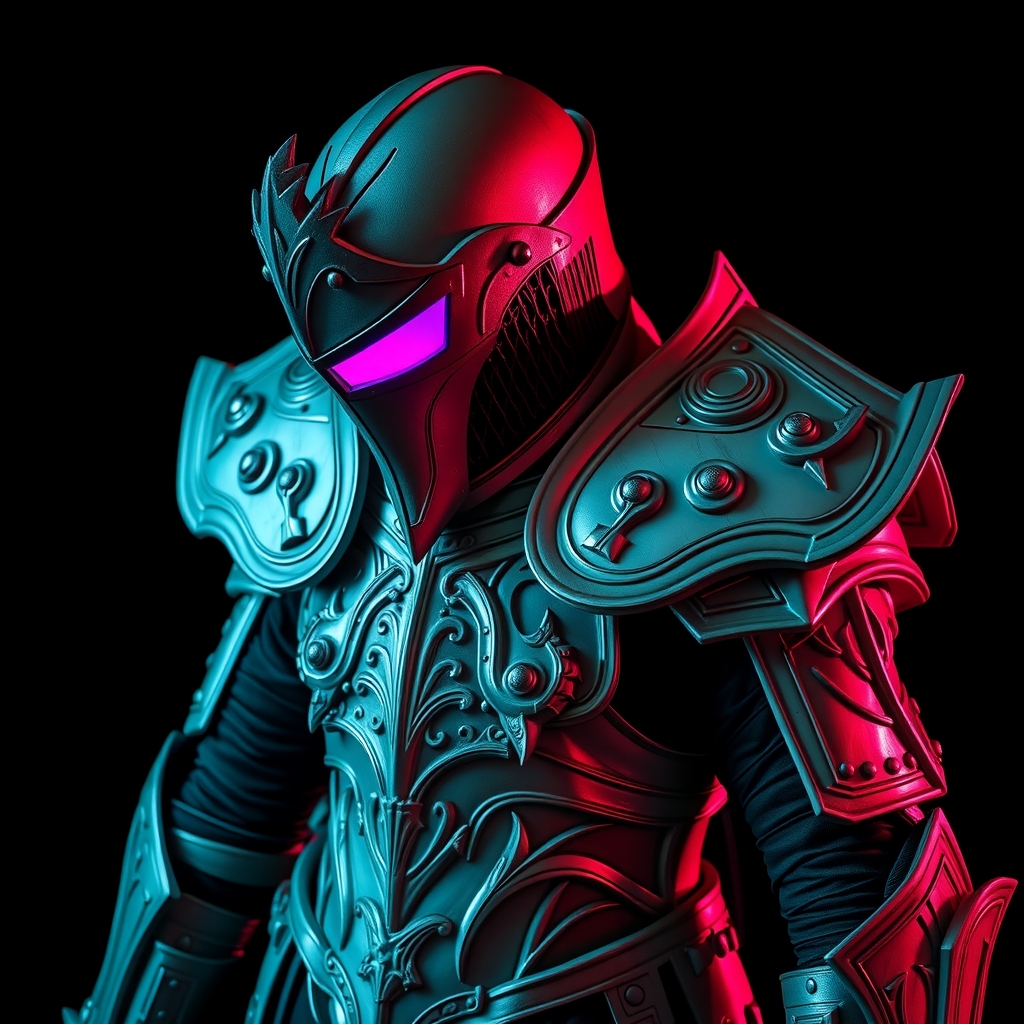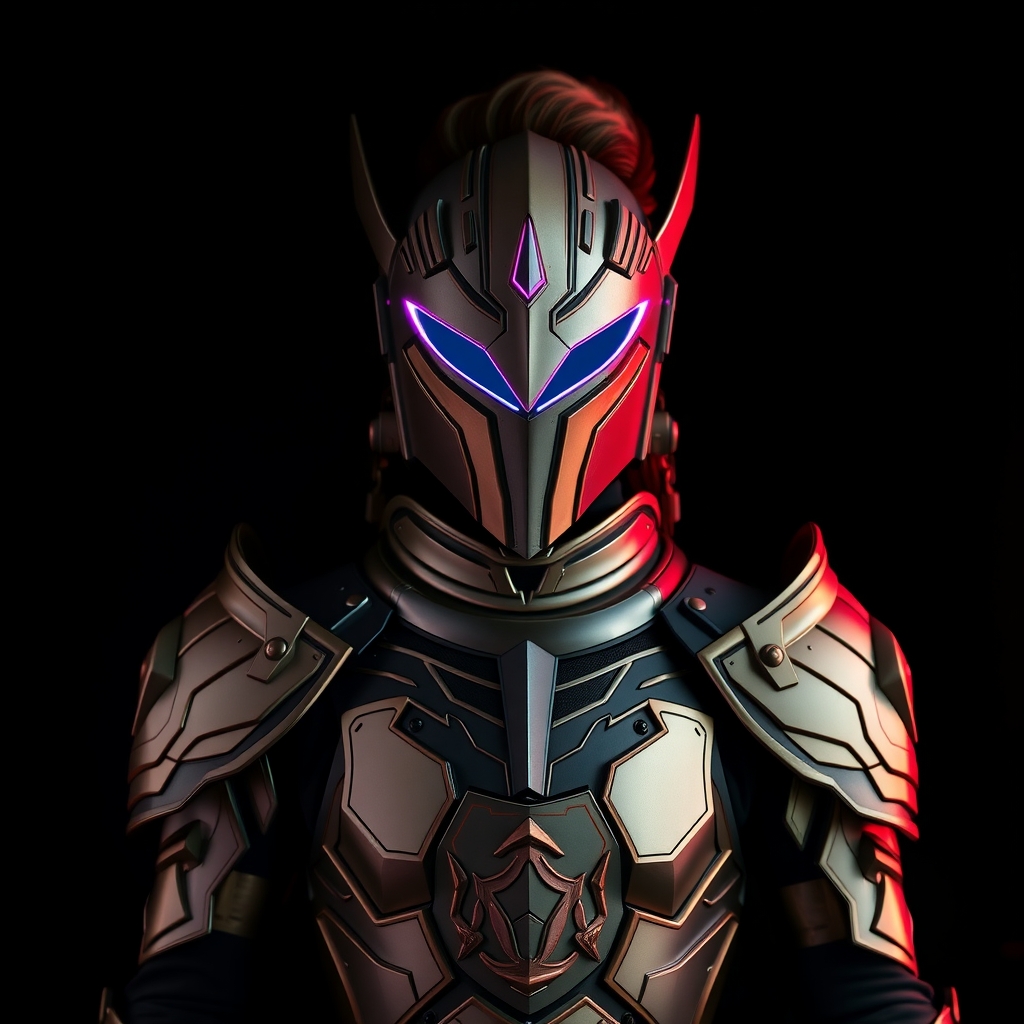

The most daunting part of starting a new anime cosplay is often the materials list. Between high-density EVA foam, thermoplastic sheets, and professional-grade resins, the cost of a single prop can quickly exceed the cost of the entire garment. However, the secret to high-level craftsmanship isn't the price of the material, but the technique used to manipulate and finish it. Many of the most striking accessories in the cosplay community are built from materials that were never intended for art.
For the budget-conscious creator, the goal is to find materials that mimic the structural integrity of professional foams or the rigidity of plastics without the premium price tag. By focusing on surface preparation and painting, you can make common household items look like forged steel, ancient leather, or futuristic carbon fiber.
The Foundation of Budget Building
Before diving into specific materials, it is important to understand the "Golden Rule" of budget crafting: the finish is everything. An unconventional material only looks "cheap" if the texture is visible. To hide the origin of your materials, always utilize a primer. A mixture of PVA glue and acrylic paint, or a dedicated spray primer, fills in pores and creates a uniform surface that allows your final paint layers to adhere and look professional.
1. Corrugated Cardboard and Cereal Boxes
While often dismissed as "school project" material, cardboard is a structural powerhouse. Corrugated cardboard is ideal for large, geometric shapes like oversized swords or robotic plating. The key is to hide the "fluting" (the holes on the side). You can do this by capping the edges with masking tape or thin strips of cereal box cardboard.
Cereal boxes, or chipboard, are perfect for smaller, detailed accessories like bracers or masks. Because they are thinner and stiffer than corrugated cardboard, they can be scored and folded to create crisp, sharp angles that mimic plated armor.
2. PVC Pipe and Plumbing Fittings
For any prop that requires a rigid core—such as a staff, a spear, or a mechanical arm—PVC pipe is the gold standard for budget builds. Beyond the pipes themselves, do not overlook the plumbing fittings. Elbow joints, T-junctions, and caps can be used to create complex mechanical joints or the hilt of a weapon without needing to sculpt them from scratch.
To make PVC look like metal, sand the surface with medium-grit sandpaper to remove the factory shine, then apply a metallic spray paint followed by a dark wash of acrylic paint to simulate grime and wear.
3. Floor Mats and Yoga Mats
If you cannot afford high-density EVA foam, look toward the flooring section of hardware stores. Interlocking foam floor mats are essentially large sheets of EVA foam. While they are often softer than professional cosplay foam, they are excellent for large chest pieces or shoulder guards.
Yoga mats offer a denser, thinner alternative. They are particularly useful for creating straps, belts, or detailed trim that needs to be flexible but durable. Because they are often rubberized, ensure you use a contact cement or a strong flexible adhesive, as standard hot glue may peel away from the surface.
4. Plastic Bottles and Food Containers
The curved surfaces of PET plastic bottles are invaluable for creating organic shapes, such as futuristic helmets, glowing energy cores, or rounded armor plating. By applying gentle heat with a hairdryer or heat gun, you can warp the plastic into custom shapes.
Plastic lids and takeout containers can be cut into small discs or shards to create "tech" details on a suit. When layered and painted, these random plastic scraps look like intricate circuitry or reinforced plating.
5. Styrofoam Packaging
Styrofoam is often seen as a nuisance, but it is a fantastic sculpting medium for oversized, lightweight props. Whether it is a giant anime hammer or a chunky piece of futuristic machinery, styrofoam provides volume without adding weight.
The challenge with styrofoam is its porous nature. Never use spray paint directly on it, as the solvents can melt the foam. Instead, coat the entire piece in a layer of joint compound or a mixture of glue and paper (papier-mâché) to create a hard, paintable shell.
6. Window Screen Mesh and Old Hosiery
Texture is what separates a "costume" from a "prop." Window screen mesh can be used to create industrial grilles, vents, or futuristic filters on a mask. It provides a realistic metallic grid pattern that is nearly impossible to sculpt by hand.
Similarly, old nylon hosiery or tights can be stretched over a frame and painted to create a "skin" or a fabric-like tension. This is particularly useful for creating organic, alien, or monstrous textures when layered with liquid latex or glue.
7. Cork Sheets and Wine Corks
For cosplayers needing to simulate wood, stone, or weathered leather, cork is an underrated resource. Cork sheets can be cut and layered to create the appearance of a rustic belt or a medieval scabbard. Because cork is naturally porous, it absorbs stains and dyes beautifully, allowing you to create realistic wood grain effects with simple brown inks.
8. Egg Cartons
The molded pulp of egg cartons is an excellent base for organic textures. By soaking them in water and glue, you can mash the pulp into a clay-like consistency to sculpt horns, scales, or rocky protrusions. Once dried, this material is incredibly lightweight and can be sanded down for a smoother finish.
9. Bubble Wrap and Packing Peanuts
Bubble wrap can be used as a structural filler for large props to keep them lightweight, but it also serves as a great texture tool. If you paint over bubble wrap, you get a "honeycomb" or "bio-mechanical" effect that works well for sci-fi armor. Packing peanuts, when melted slightly or glued together in clusters, can create an irregular, coral-like texture for fantasy accessories.
10. Duct Tape and Masking Tape
While usually seen as fasteners, tapes can be the primary material. "Tape-sculpting" involves wrapping a shape in masking tape over a temporary form (like a balloon or a plastic bottle). Once the shape is achieved, the tape provides a rigid, textured surface that is easy to paint. Duct tape, specifically the silver variety, can be used as a base for industrial props, providing an immediate metallic sheen that only needs a light weathering pass to look authentic.
Final Assembly and Finishing Tips
Regardless of the material you choose, the final step is the most critical: weathering. New materials look fake because they are too clean. To make your budget accessories look professional, use the following techniques:
- Dry Brushing: Use a nearly dry brush with silver or light grey paint to hit the edges of your prop, simulating worn metal.
- Washing: Apply a highly diluted black or brown acrylic paint over the entire piece, then wipe it away with a rag. The paint will stay in the crevices, creating artificial depth and shadows.
- Sealing: Always finish your work with a clear matte or gloss sealant. This prevents your paint from chipping and gives the prop a cohesive, finished look.
By shifting your perspective from "what is the right material" to "what material can behave like the right one," you can create stunning, screen-accurate anime accessories without breaking your budget.