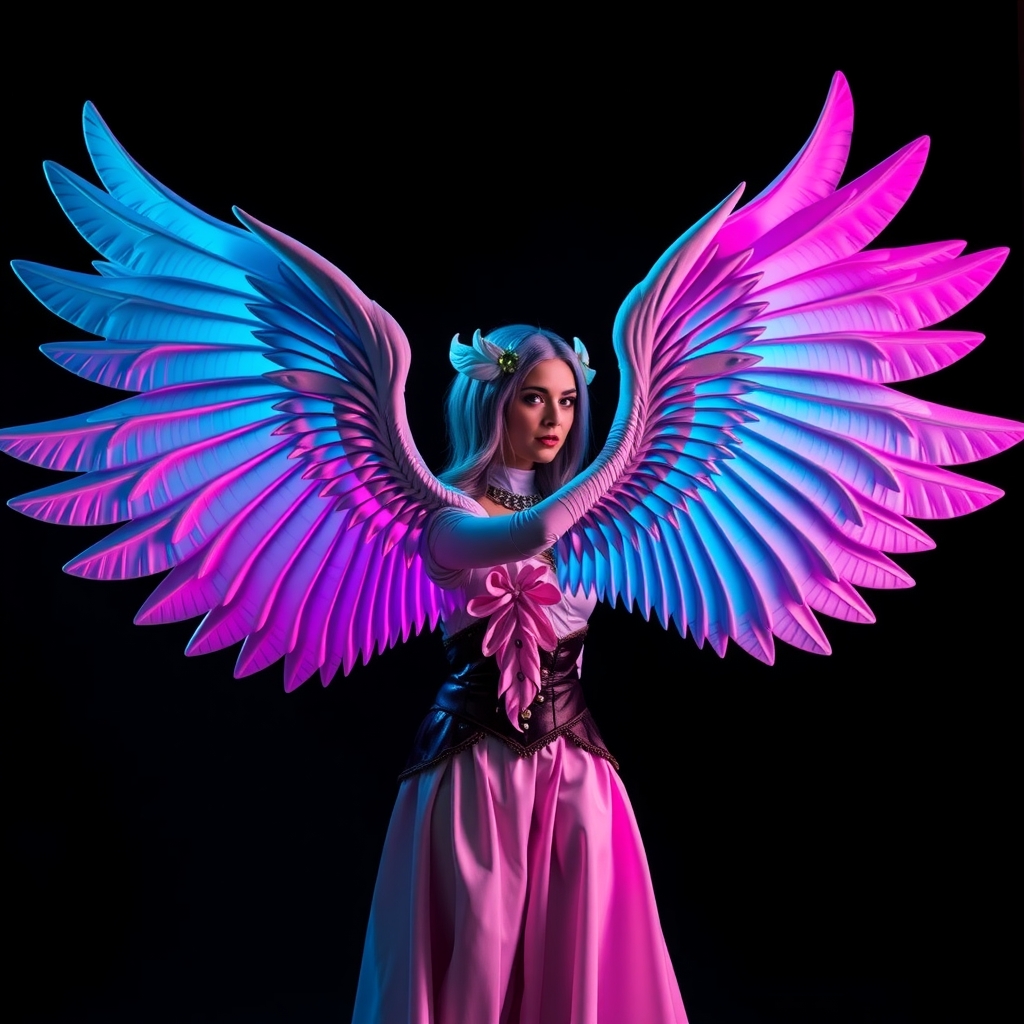

Adding glow effects to your cosplay props can elevate your costume to the next level, making it stand out in a crowd. However, creating props that actually glow can seem intimidating, especially for those without prior experience in electronics. In this guide, we'll walk you through the basics of LED lighting and simple electronics to help you bring your glowing cosplay prop ideas to life.
Choosing the Right LEDs
When it comes to LED lighting for cosplay props, there are several factors to consider. First, you'll need to decide on the color temperature and brightness of your LEDs. Warm white LEDs (2700K-3000K) produce a soft, yellowish glow, while cool white LEDs (5000K-6500K) produce a bright, bluish light. RGB LEDs, on the other hand, can produce a wide range of colors. Consider the theme and character of your costume when selecting the color and brightness of your LEDs.Powering Your LEDs
To power your LEDs, you'll need a power source, such as batteries, and a circuit to control the flow of electricity. For simple props, a coin cell battery and a basic circuit may be sufficient. For more complex props, you may need to use a rechargeable battery pack or a USB-rechargeable battery. When choosing a power source, consider the size and weight of your prop, as well as the desired battery life.Designing Your Circuit
A basic circuit for LED lighting consists of a power source, an LED, and a resistor. The resistor helps to limit the current flowing through the LED, preventing it from burning out. To calculate the required resistance, you can use Ohm's law: R = (V - Vf) / I, where R is the resistance, V is the voltage, Vf is the forward voltage of the LED, and I is the desired current. You can use online tools or consult with an electronics expert to determine the correct resistance for your circuit.Adding Glow Effects
To create a glowing effect, you can use a combination of LEDs, diffusers, and light pipes. Diffusers, such as translucent plastic or glass, can help to scatter the light and create a softer glow. Light pipes, such as fiber optics or acrylic rods, can be used to transmit light from a central source to a wider area. You can also experiment with different LED patterns, such as pulsing or fading, to create a more dynamic effect.Tips for Prop Making
When incorporating LED lighting into your prop, consider the following tips:- Use a durable and water-resistant material for your prop to ensure it can withstand handling and transportation.
- Secure your LEDs and circuitry using hot glue, epoxy, or other strong adhesives.
- Test your prop thoroughly before wearing it to ensure the LEDs are working correctly and the battery life is sufficient.
- Consider adding a switch or a timer to control the LED lighting and conserve battery life.
Common Challenges and Solutions
Some common challenges when working with LED lighting in cosplay props include:- LEDs burning out: Check your circuit and ensure the correct resistance is used.
- LEDs not turning on: Verify the connections and ensure the power source is working correctly.
- Prop overheating: Use a heat sink or a thermal interface material to dissipate heat.