## Introduction to Shoestring Cosplay
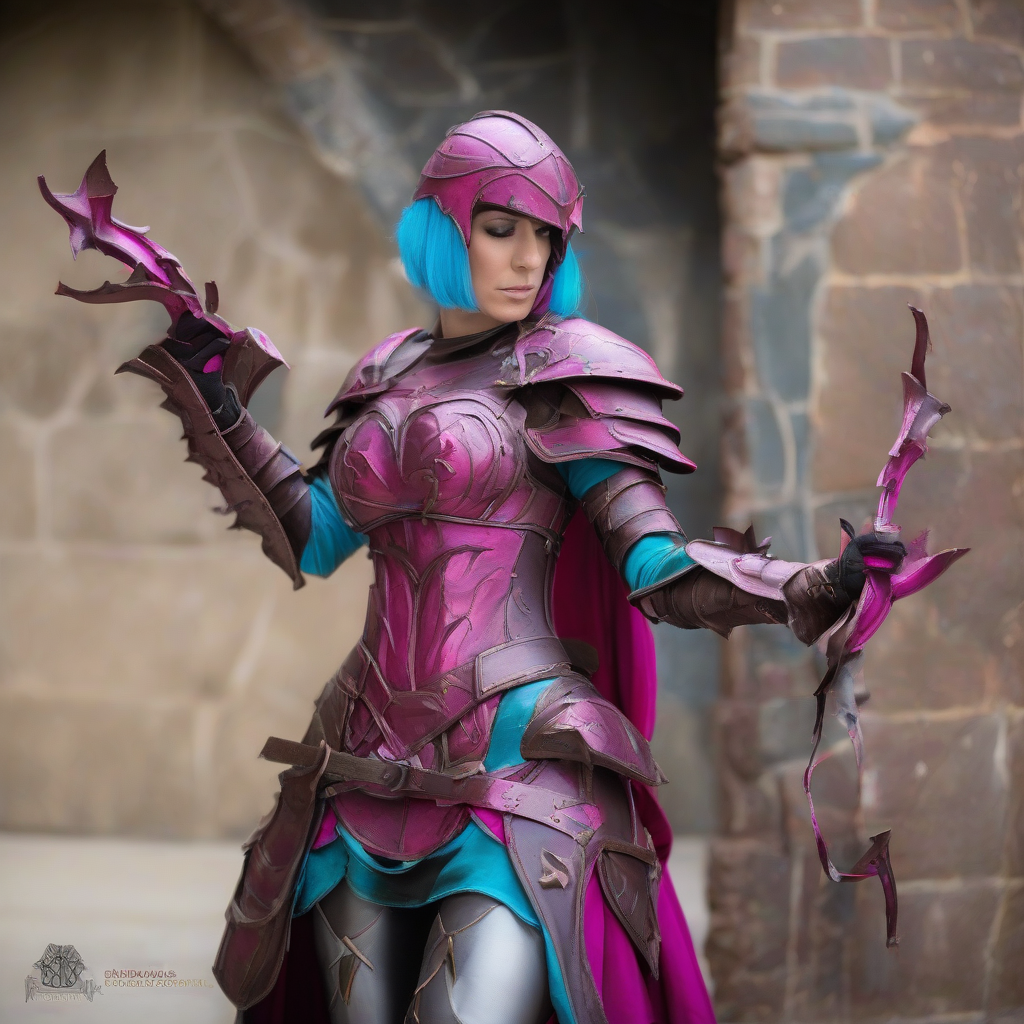
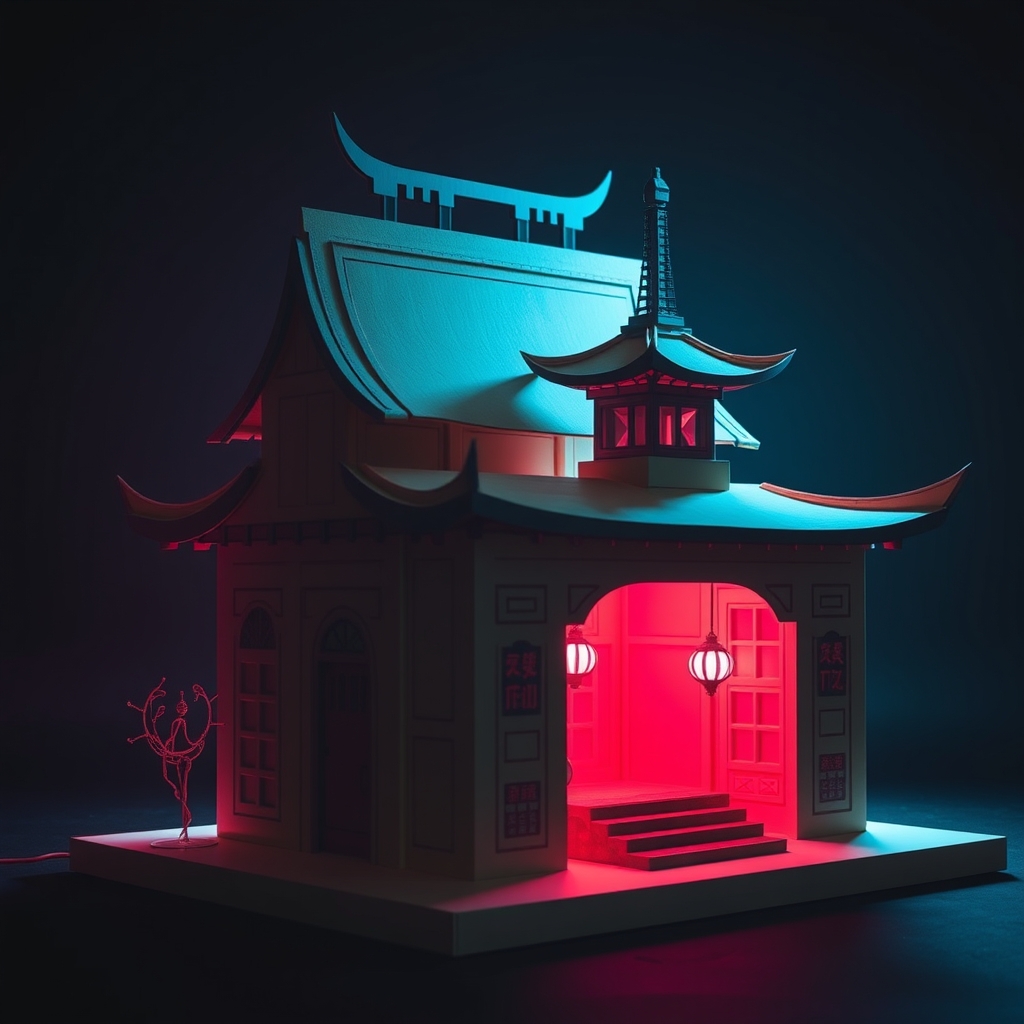
For many cosplayers, the biggest challenge isn't perfecting a character's pose or crafting intricate details – it's doing so without draining their wallet. Anime architecture, in particular, can be daunting to replicate on a budget. Towering structures, intricate designs, and seemingly impossible feats of engineering can leave even the most skilled crafters feeling overwhelmed. However, what if you could create stunning anime-inspired sets and props using nothing more than cardboard and cardstock?
## The Art of Cardboard Crafting
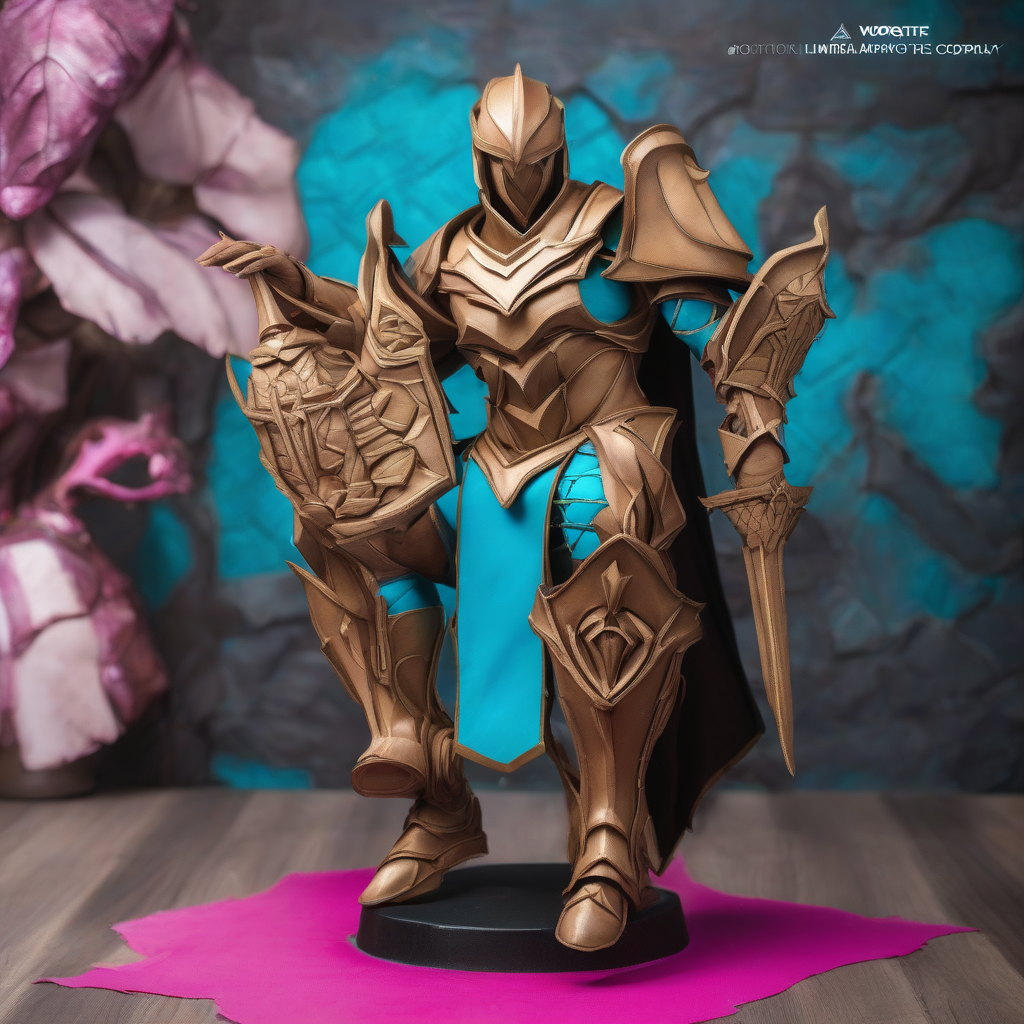
Cardboard and cardstock are often overlooked as viable materials for cosplay, but they offer a versatile and affordable alternative to traditional crafting materials. With a little creativity and some basic crafting tools, you can transform these humble materials into breathtaking works of art.
### Choosing the Right Materials
When working with cardboard and cardstock, it's essential to choose the right materials for your project. Look for sturdy cardboard with a smooth finish, such as file boxes or appliance packaging. Cardstock, available at most craft stores, comes in a range of weights and textures, making it ideal for detailed work.
### Essential Tools
To get started, you'll need a few basic tools:
- Utility knife or craft knife
- Hot glue gun
- Scissors
- Ruler or cutting mat
- Pencil or marker
## Designing and Building Anime Architecture
When designing your anime-inspired structure, consider the following tips:
### Keep it Simple
Don't try to tackle too much at once. Start with a simple design and build upon it. Look for inspiration in anime and manga, and take note of the shapes, lines, and textures that make iconic structures stand out.
### Use Reference Images
Collect reference images of the structure you want to create. Study the design, proportions, and details, and use them as a guide for your build.
### Layering and Texture
Cardboard and cardstock can be layered and textured to create depth and visual interest. Use hot glue to attach layers, and experiment with different textures, such as paper mache or fabric, to add dimension.
## Case Study: Building a Naruto-Inspired Hokage Monument
To illustrate the potential of cardboard crafting, let's take a look at a Naruto-inspired Hokage monument.
### Design and Planning
The Hokage monument is an iconic symbol of the Hidden Leaf Village. To create a cardboard version, start by sketching out a basic design. Consider the proportions, shape, and details of the monument, and plan your build accordingly.
### Building the Structure
Using cardboard and cardstock, build the structure in sections. Use hot glue to attach the layers, and add texture and detail as you go.
### Adding Details and Finishing Touches
Once the structure is complete, add details such as the Hokage symbols, textures, and colors. Use paint, markers, or weathering techniques to add a weathered look.
## Tips and Tricks for Shoestring Cosplay
### Repurpose and Upcycle
Think outside the box when it comes to materials. Old cardboard tubes, boxes, and packaging can become integral parts of your build.
### Collaborate and Share
Join online communities or local cosplay groups to share resources, ideas, and expertise.
### Practice and Patience
Cardboard crafting takes time and practice. Don't be discouraged if your first attempts don't turn out as expected – keep trying, and you'll eventually get the hang of it.
## Conclusion
With a little creativity and some basic crafting tools, you can transform cardboard and cardstock into breathtaking anime-inspired structures. Whether you're a seasoned cosplayer or just starting out, shoestring cosplay offers a fun and affordable way to bring your favorite characters and worlds to life. So next time you're brainstorming ideas for your next cosplay project, consider giving cardboard crafting a try – you might be surprised at what you can create.
## Additional Resources
For more information on cardboard crafting and shoestring cosplay, check out the following resources: