
Introduction to Budget-Friendly Cosplay Armor
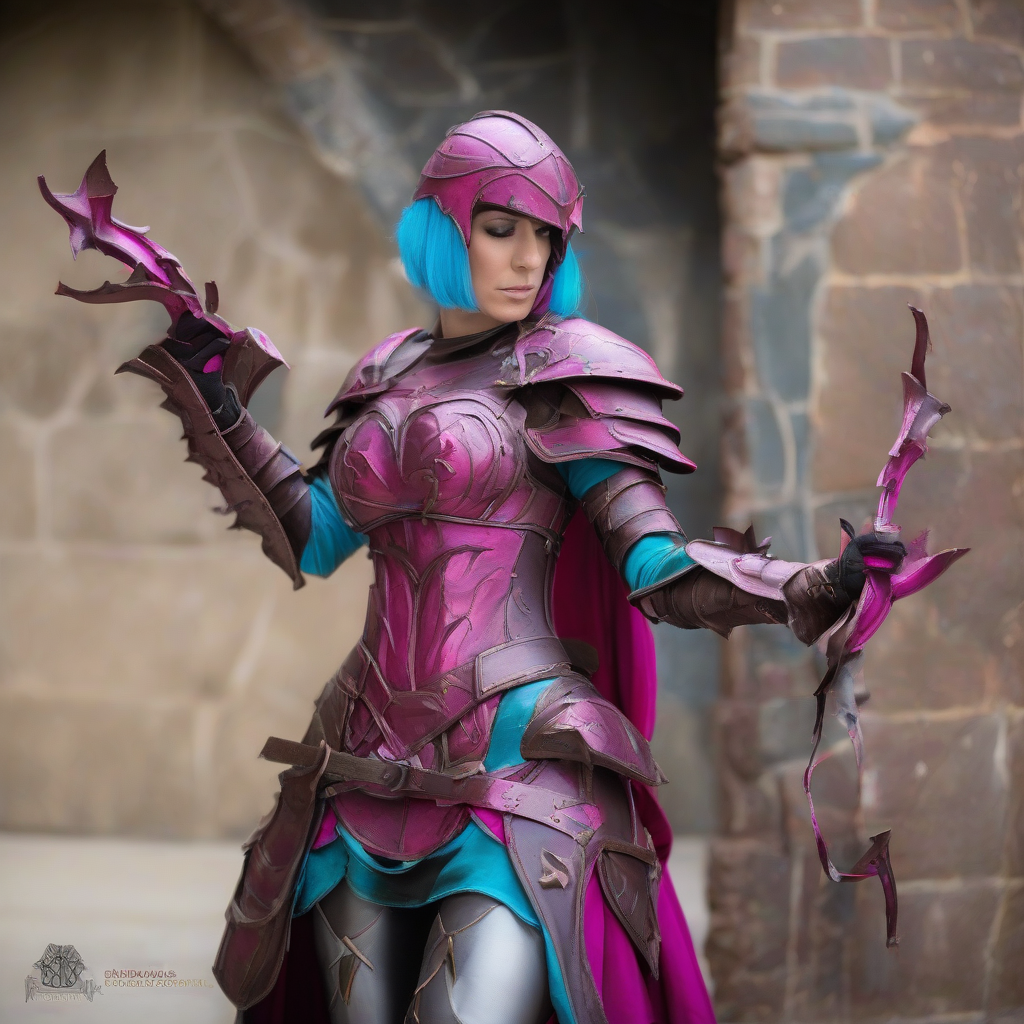
Creating cosplay armor can be an exciting and rewarding experience, but it can also be daunting, especially when working with a limited budget. One of the most critical components of cosplay armor is the shoulder pad, which can make or break the overall look of the costume. In this article, we'll explore five unconventional materials to help you create hyper-realistic shoulder pads without breaking the bank.
The Challenge of Affordable Cosplay Armor
When it comes to cosplay armor, many cosplayers face the challenge of balancing realism with affordability. Traditional materials like Worbla, thermoplastic, or resin can be expensive and require specialized equipment. However, with a little creativity and experimentation, you can achieve professional-looking results using unconventional materials.
Material 1: Cardboard and Hot Glue
Cardboard and hot glue may seem like an unlikely combination for creating cosplay armor, but with some patience and skill, you can achieve impressive results. Start by cutting out the desired shape from cardboard, then use hot glue to build up layers and create texture. You can also add details like rivets or bolts using paint or markers.
- Pros: Inexpensive, easy to work with, and lightweight.
- Cons: May not be as durable as other materials, prone to damage from heat or moisture.
Material 2: Foam Board and Fabric
Foam board is a versatile material that can be used for a variety of cosplay projects, including armor. By combining foam board with fabric, you can create a lightweight and flexible shoulder pad that's perfect for beginners. Simply cut out the shape from foam board, cover it with fabric, and attach it to a harness or strap.
- Pros: Lightweight, flexible, and easy to work with.
- Cons: May not be as durable as other materials, limited detail options.
Material 3: PVC Pipe and Electrical Tape
PVC pipes and electrical tape may seem like an unusual combination, but they can be used to create a sturdy and detailed shoulder pad. Cut the PVC pipe into the desired shape, then wrap it with electrical tape to create texture and add details. You can also paint or marker the tape for added color and detail.
- Pros: Sturdy, easy to work with, and affordable.
- Cons: May not be as visually appealing as other materials, limited detail options.
Material 4: Worbla Alternatives: Recycled Plastic
Worbla is a popular material for cosplay armor, but it can be expensive. A budget-friendly alternative is recycled plastic, which can be sourced from old containers or packaging materials. Simply melt and shape the plastic into the desired form, then add details using paint or markers.
- Pros: Affordable, eco-friendly, and versatile.
- Cons: May require specialized equipment, limited detail options.
Material 5: Papier-Mâché and Paint
Papier-mâché is a classic crafting material that can be used to create stunning cosplay armor. By combining papier-mâché with paint, you can achieve a hyper-realistic finish that's perfect for shoulder pads. Simply apply layers of papier-mâché to a base shape, then paint and seal the finished product.
- Pros: Affordable, versatile, and can achieve a high level of detail.
- Cons: May be time-consuming, prone to damage from moisture.
Conclusion and Tips for Success
Creating cosplay armor on a budget doesn't have to mean sacrificing realism or quality. By experimenting with unconventional materials and techniques, you can achieve professional-looking results without breaking the bank. Remember to always follow safety guidelines when working with new materials, and don't be afraid to experiment and try new things.
Some additional tips for success include:
- Research and plan your design carefully to ensure the best results.
- Practice and experiment with different materials and techniques before committing to a final design.
- Join online communities or forums to connect with other cosplayers and learn from their experiences.
- Don't be afraid to make mistakes – they can often lead to new and interesting ideas!