
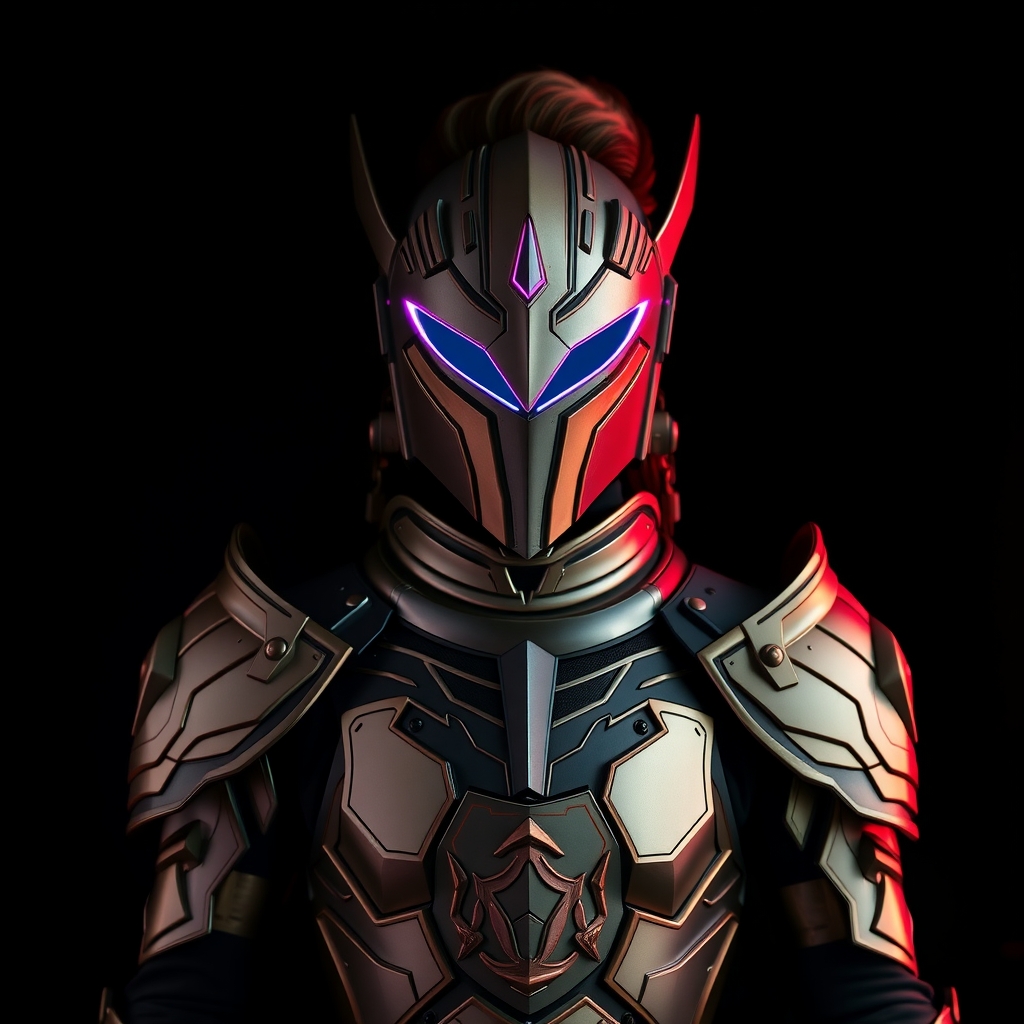
Introduction to Thermoplastic and Worbla
Thermoplastic and Worbla are popular materials used in cosplay for creating durable, lightweight armor pieces. Thermoplastic is a versatile plastic material that can be molded and shaped when heated, while Worbla is a specific brand of thermoplastic material designed for crafting and prop making. Both materials offer a range of benefits, including ease of use, durability, and affordability.
Choosing the Right Thermoplastic Material
When working with thermoplastic, it's essential to choose the right material for your project. Different types of thermoplastic have varying levels of flexibility, durability, and heat resistance. For cosplay armor, you'll want to select a material that is sturdy enough to hold its shape but lightweight enough to be comfortable to wear. Worbla, in particular, offers a range of products with different properties, such as Worbla Thermoplastic, Worbla Fusion, and Worbla Arkemide.
Preparing Your Pattern and Mold
Before you begin working with thermoplastic, you'll need to create a pattern and mold for your armor piece. This can be done using paper, cardboard, or foam, and should be slightly larger than the final piece to allow for trimming and finishing. Make sure your pattern is accurate and your mold is smooth and even, as this will affect the final shape and quality of your armor.
Working with Thermoplastic
To work with thermoplastic, you'll need to heat it to a temperature that allows it to be molded and shaped. This can be done using a heat gun, oven, or other heat source. When heating thermoplastic, it's essential to follow safety precautions, such as wearing heat-resistant gloves and working in a well-ventilated area. Once heated, the material can be molded and shaped using a variety of techniques, including vacuum forming, pressure forming, and hand shaping.
Tips and Techniques for Working with Worbla
Worbla is a versatile material that can be used to create a range of different effects and textures. Here are some tips and techniques for working with Worbla:
- Use a heat gun to heat Worbla evenly and avoid hot spots.
- Apply Worbla to a mold or pattern using a gentle pressing motion.
- Use a combination of Worbla and other materials, such as fabric or foam, to create complex textures and effects.
- Experiment with different Worbla products and techniques to achieve unique results.
Finishing and Painting Your Armor
Once you've created your armor piece using thermoplastic and Worbla, you'll need to finish and paint it to achieve a realistic look. This can be done using a range of techniques, including sanding, priming, and painting. Make sure to follow safety precautions when working with paints and chemicals, and test any finishes or paints on a small, inconspicuous area before applying them to your armor.
Adding Details and Embellishments
To add an extra level of realism and detail to your armor, you can use a range of techniques, including adding rivets, bolts, or other hardware. You can also use paint or markers to add weathering effects, such as scratches or scuffs. Consider adding a finish coat to protect your armor and give it a glossy or matte finish.
Conclusion
Crafting durable, lightweight cosplay armor with thermoplastic and Worbla requires patience, practice, and attention to detail. By following these techniques and best practices, you can create stunning, wearable armor pieces that will elevate your cosplay to the next level. Whether you're a seasoned pro or just starting out, thermoplastic and Worbla offer a range of possibilities for creative and innovative cosplay construction.