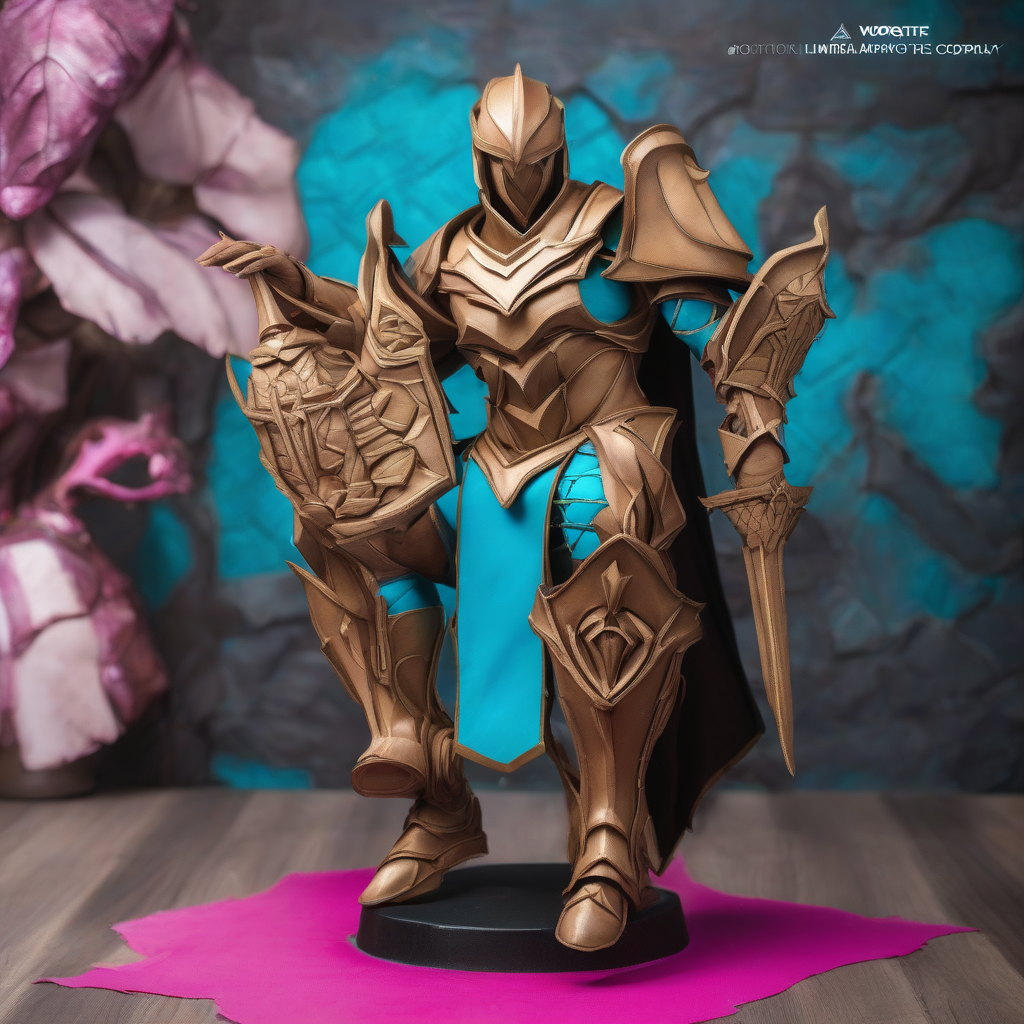

## Introduction
Creating hyper-realistic video game props can be a daunting task, especially for cosplayers on a budget. While it's easy to get caught up in expensive materials and complex techniques, there are plenty of unconventional materials that can help you achieve a high-end look without breaking the bank. In this article, we'll explore 10 unexpected materials you can use to create stunning video game props, along with some practical tips and tricks for getting started.
## Material 1: Cardboard and Paper Mache
Cardboard and paper mache are two of the most versatile and affordable materials you can use for prop making. By combining layers of cardboard and paper mache, you can create complex shapes and textures that are surprisingly realistic. For example, you can use cardboard to create the base structure of a prop, and then cover it with layers of paper mache to add detail and texture.
## Material 2: Foam Board and Hot Glue
Foam board is a type of lightweight, easy-to-cut material that's perfect for creating prop details like buttons, panels, and vents. When combined with hot glue, you can create intricate designs and patterns that add a high level of realism to your props. Simply cut out the desired shape from foam board, apply hot glue to attach it to your prop, and then sand and paint for a smooth finish.
## Material 3: 3D Printing with Recycled Filament
While 3D printing can be an expensive hobby, you can reduce costs by using recycled filament. Many online communities and local makerspaces offer affordable recycled filament, which you can use to print complex prop details like gears, cogs, and other mechanical components. Simply design or download a 3D model, slice it using software like Cura or Slic3r, and print it out using your recycled filament.
## Material 4: Worbla and Thermoplastic
Worbla is a type of thermoplastic material that's perfect for creating curved, smooth surfaces like armor panels and prop blades. By applying heat and pressure, you can shape Worbla into complex forms that are both durable and lightweight. For example, you can use Worbla to create a sleek, curved sword blade that's both safe and realistic.
## Material 5: Fabric and Worbla Laminate
Fabric and Worbla laminate is a surprisingly effective material for creating realistic prop textures like leather, fabric, and even metal. By applying layers of Worbla to fabric, you can create a durable, flexible material that's perfect for props like capes, cloaks, and even metallic surfaces.
## Material 6: PVC Pipe and Fitting
PVC pipe and fittings are a cheap and versatile material for creating prop structures like frames, handles, and even mechanical components. By combining PVC pipe with other materials like foam board and Worbla, you can create complex props like swords, guns, and even wearable armor.
## Material 7: Recycled Electronics
Recycled electronics are a treasure trove of materials for prop making, from LED lights and circuit boards to old computer components and phone parts. By repurposing these materials, you can create props with a high level of detail and realism, like glowing accents, screens, and even functional mechanisms.
## Material 8: Paper and Ink
Paper and ink are two of the most accessible materials for prop making, and can be used to create intricate designs and details like prints, labels, and even parchment. By combining paper and ink with other materials like cardboard and foam board, you can create props like ancient tomes, scrolls, and even futuristic documents.
## Material 9: Epoxy Resin and Aggregate
Epoxy resin and aggregate is a surprisingly effective material for creating realistic prop textures like stone, metal, and even wood. By mixing epoxy resin with aggregate materials like sand, gravel, or even coffee grounds, you can create a durable, high-end finish that's perfect for props like rocks, boulders, and even mechanical components.
## Material 10: Repurposed Household Items
Finally, don't forget to think outside the box when it comes to prop making materials. Repurposed household items like kitchen utensils, appliance parts, and even toys can be transformed into unique and realistic prop components. For example, you can use an old kitchen colander as a base for a futuristic helmet, or transform a toy car into a high-tech prop vehicle.
## Conclusion
Creating hyper-realistic video game props on a budget requires creativity, resourcefulness, and a willingness to think outside the box. By repurposing unconventional materials like cardboard, foam board, and recycled electronics, you can create stunning props that rival their high-end counterparts. Whether you're a seasoned prop maker or just starting out, we hope these 10 unconventional materials have inspired you to try something new and push the boundaries of what's possible with cosplay on a budget.
## Additional Resources
* Prop Makers Workshop (YouTube): A wealth of prop making tutorials and resources. * Instructables: A community-driven platform for sharing DIY projects and tutorials. * r/PropMaking (Reddit): A community of prop makers sharing knowledge, resources, and inspiration.