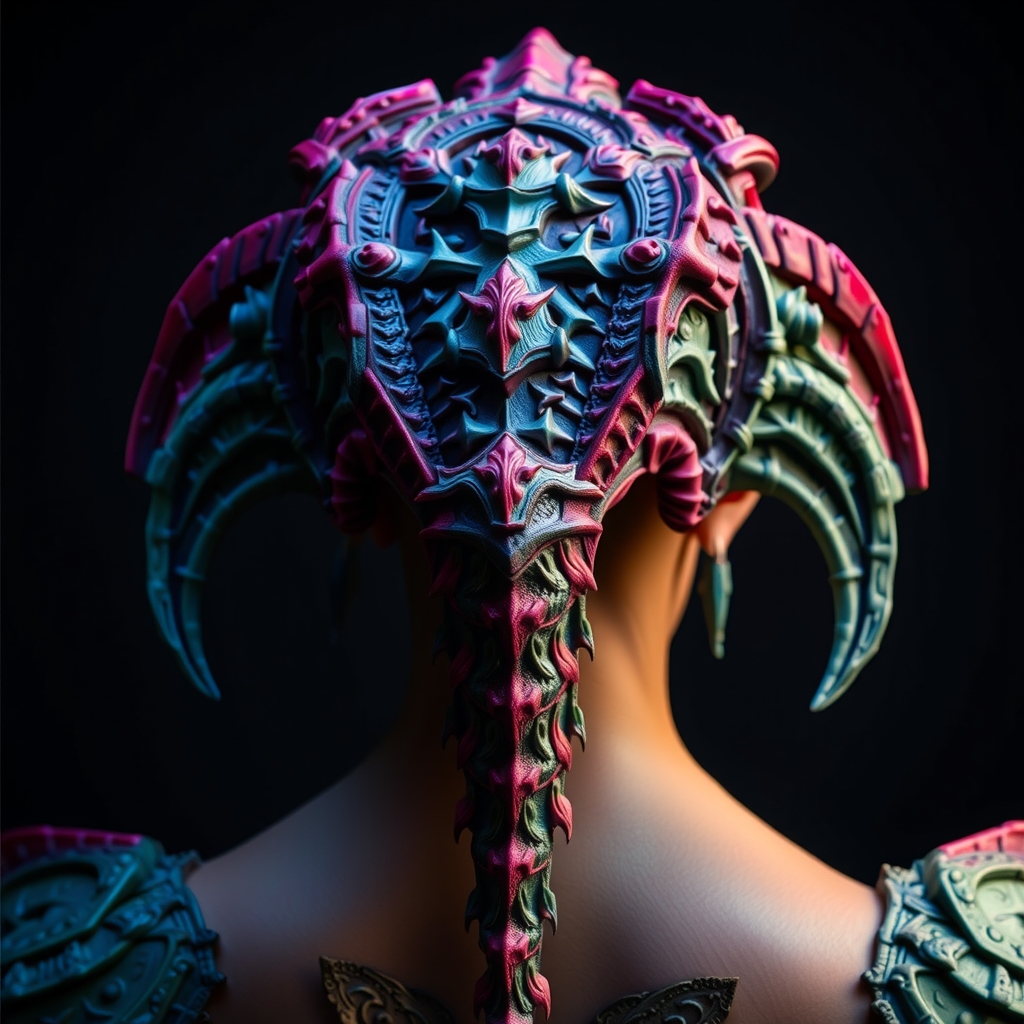

Introduction to Miniature Cosplay Props
Miniature props, also known as "props" or "mini props," are small, detailed accessories that complement a cosplayer's costume, adding an extra layer of realism and personality to their character portrayal. These tiny treasures can range from intricate jewelry and accessories to miniature tools, gadgets, and even food items. With the rise of 3D printing technology, creating these miniature marvels has become more accessible than ever. In this guide, we'll walk you through the process of designing and 3D printing your own realistic cosplay props.
Designing Your Miniature Prop
Before diving into 3D printing, it's essential to have a solid design concept. Start by researching your character's appearance, referencing official artwork, screenshots, or stills from the source material. Identify the miniature prop you want to create and take note of its shape, size, and details.
- Choose a 3D modeling software that suits your skill level, such as Tinkercad, Fusion 360, or Blender.
- Start with simple shapes and gradually add details, using reference images to ensure accuracy.
- Keep in mind the prop's size and scale in relation to the cosplayer and their costume.
When designing, consider the prop's functionality and how it will be used. Will it be held, worn, or displayed? This will help you determine the level of detail and durability required.
Tips for Designing Miniature Props
- Use real-world references to add authenticity to your design.
- Experiment with different materials and textures to achieve the desired look.
- Keep your design simple and focused on the essential features.
Preparing Your Design for 3D Printing
Once you have a solid design, it's time to prepare it for 3D printing. This involves ensuring your model is watertight, manifold, and optimized for printing.
- Export your design as an STL (STereoLithography) file, a format compatible with most 3D printing software.
- Use software like MeshLab or Cura to check and repair any errors in your model.
- Scale your design to the desired size, taking into account the prop's intended use and the cosplayer's needs.
It's also crucial to choose the right 3D printing technology and material for your prop. Common options include resin, FFF/FDM (Fused Filament Fabrication/Fused Deposition Modeling), and SLA (Stereolithography).
Choosing the Right 3D Printing Technology
- Resin printing offers high detail and smooth finishes, ideal for intricate props.
- FFF/FDM printing provides a cost-effective and durable solution for larger props.
- SLA printing produces highly detailed and accurate prints, suitable for small to medium-sized props.
Post-Printing and Finishing Techniques
After printing, your miniature prop may require some post-processing to achieve a realistic look. This can include:
- Sanding and smoothing rough edges and surfaces.
- Painting and applying finishes to enhance color and texture.
- Assembling multiple parts, if necessary.
When painting, use acrylic or enamel paints and apply thin coats to avoid pooling or unevenness. You can also add weathering effects, like scratches or dirt, to give your prop a more authentic look.
Adding Final Details
- Apply a clear coat to protect the paint and give the prop a glossy finish.
- Add small details, like rivets or bolts, using a hobby knife or small drill.
- Experiment with different materials, like fabric or leather, to add texture and depth.
Conclusion and Tips for Mastery
Crafting miniature cosplay props with 3D printing requires patience, attention to detail, and practice. As you hone your skills, remember to:
- Continuously reference and study real-world examples to improve your designs.
- Experiment with different materials and techniques to achieve unique effects.
- Join online communities and forums to share your work and learn from others.
With dedication and persistence, you'll be creating stunning, realistic miniature props that elevate your cosplay and impress fellow fans.