Introduction
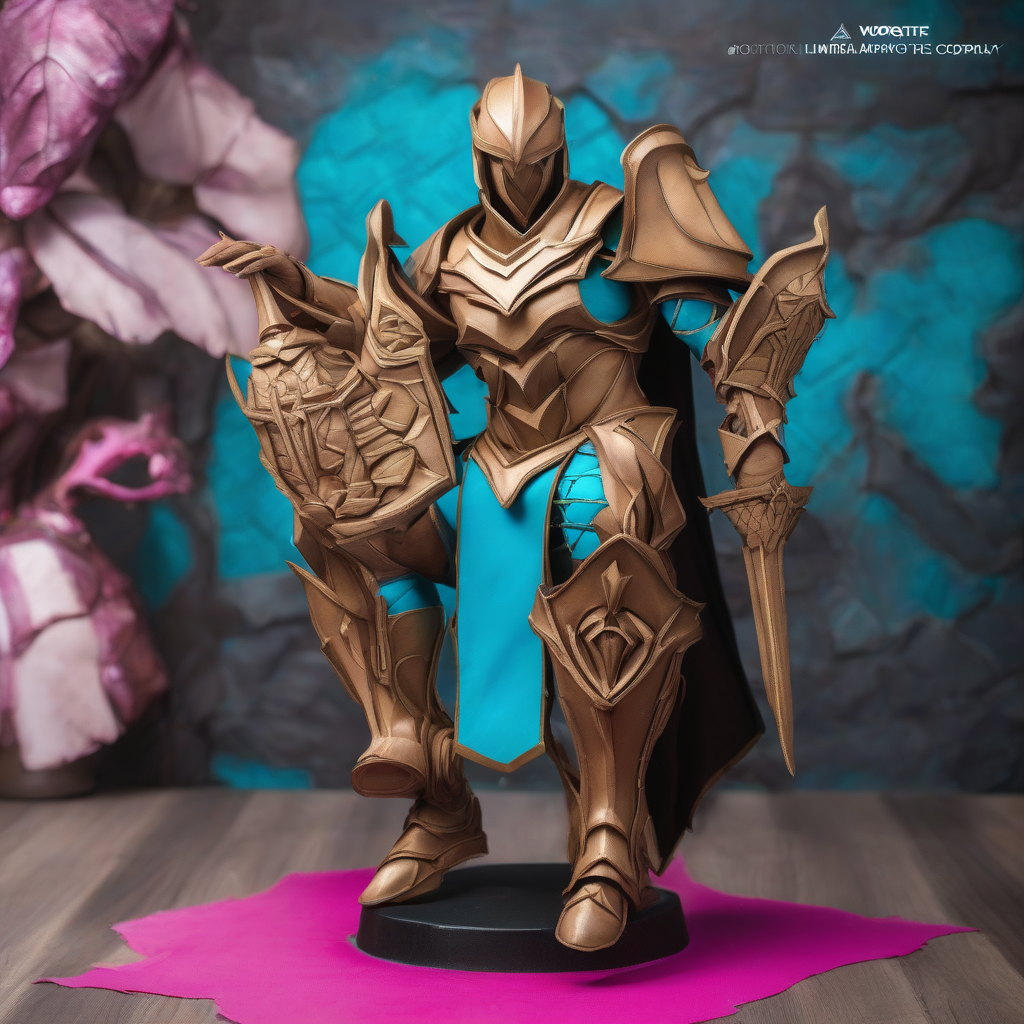
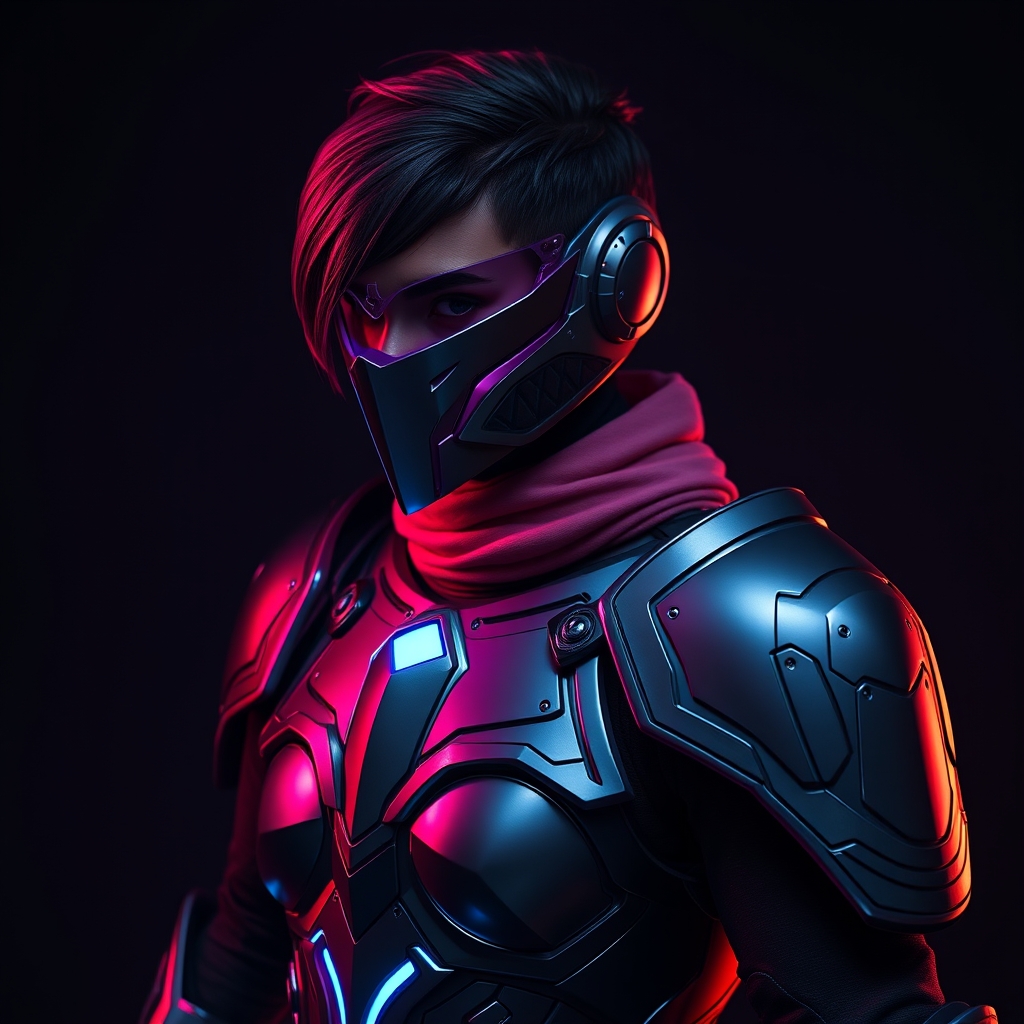
As cosplayers, we're always on the lookout for innovative materials and techniques to bring our favorite characters to life. When it comes to creating realistic video game armor, it's easy to get stuck in a rut, relying on the same old materials and methods. But what if you could take your armor game to the next level with unexpected materials and approaches? In this article, we'll explore the top 5 unconventional materials for creating realistic video game armor that will make your cosplay stand out from the crowd.
The Quest for Realism
Creating realistic video game armor is all about attention to detail and texture. You want your armor to look like it was plucked straight from the game, with all the intricate details and weathering that comes with it. But achieving this level of realism can be a challenge, especially when working with traditional cosplay materials like foam, Worbla, or resin. That's where unconventional materials come in – they can add an extra layer of depth and authenticity to your armor that will make it truly unforgettable.
Material #1: Papier-Mâché
Paper-mâché is a versatile and often overlooked material that can be used to create incredibly detailed and realistic armor pieces. By layering strips of paper or paper pulp over a wire armature, you can build up complex shapes and textures that would be difficult to achieve with other materials. For a video game-inspired look, try adding metallic paint or weathering effects to give your papier-mâché armor a battle-worn appearance.
- Tips for working with papier-mâché:
- Use a wire armature to provide structure and support for your armor piece.
- Apply multiple thin layers of papier-mâché to achieve a smooth, even finish.
- Experiment with different types of paper or pulp to achieve unique textures and effects.
Material #2: Foam Board Insulation
Foam board insulation, like Owens Corning or XPS foam, is a cheap and readily available material that can be used to create surprisingly detailed and realistic armor pieces. By carving and shaping the foam board, you can create intricate designs and textures that would be difficult to achieve with other materials. For a video game-inspired look, try adding paint or markers to add weathering effects and metallic details.
- Tips for working with foam board insulation:
- Use a hot wire cutter or sharp knife to carve and shape the foam board.
- Apply multiple coats of paint or primer to achieve a smooth, even finish.
- Experiment with different types of foam board to achieve unique textures and effects.
Material #3: 3D Printed Mesh
3D printed mesh is a cutting-edge material that can be used to create incredibly detailed and realistic armor pieces. By printing a mesh pattern and then shaping and forming it to fit your armor design, you can create complex, organic shapes that would be difficult to achieve with other materials. For a video game-inspired look, try adding metallic paint or weathering effects to give your mesh armor a futuristic appearance.
- Tips for working with 3D printed mesh:
- Use a 3D printer or online service to print your mesh pattern.
- Apply multiple coats of paint or primer to achieve a smooth, even finish.
- Experiment with different mesh patterns and densities to achieve unique textures and effects.
Material #4: Leather and Fabric
Leather and fabric are versatile materials that can be used to create incredibly detailed and realistic armor pieces. By combining leather and fabric with other materials, like foam or Worbla, you can create complex, layered armor designs that would be difficult to achieve with other materials. For a video game-inspired look, try adding metallic accents or weathering effects to give your leather and fabric armor a battle-worn appearance.
- Tips for working with leather and fabric:
- Use a pattern or template to ensure accurate fit and placement.
- Apply multiple coats of conditioner or finisher to achieve a smooth, even finish.
- Experiment with different types of leather and fabric to achieve unique textures and effects.
Material #5: Recycled Plastics
Recycled plastics, like old bottles or containers, can be used to create incredibly detailed and realistic armor pieces. By melting and shaping the plastic, you can create complex, organic shapes that would be difficult to achieve with other materials. For a video game-inspired look, try adding metallic paint or weathering effects to give your recycled plastic armor a post-apocalyptic appearance.
- Tips for working with recycled plastics:
- Use a heat gun or oven to melt and shape the plastic.
- Apply multiple coats of paint or primer to achieve a smooth, even finish.
- Experiment with different types of plastic to achieve unique textures and effects.
Conclusion
With these five unconventional materials, you'll be well on your way to creating show-stopping, video game-inspired armor that will take your cosplay to the next level. Whether you're a seasoned pro or just starting out, experimenting with new materials and techniques is a great way to push your creative boundaries and achieve a truly unforgettable look. So don't be afraid to think outside the box and try something new – your cosplay (and your fellow cosplayers) will thank you!