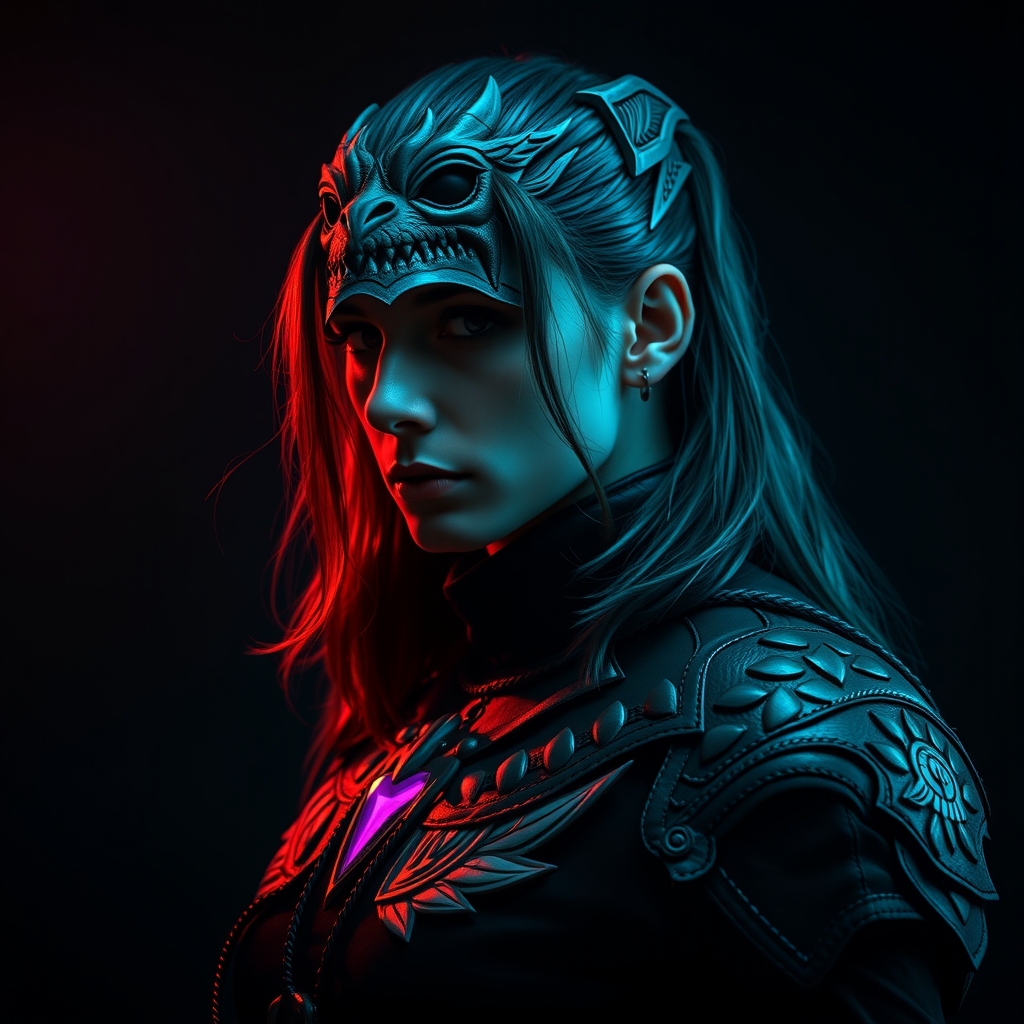
Introduction to Diablo Cosplay
Diablo, the iconic action role-playing game series, has captivated gamers worldwide with its dark fantasy universe and intricate character designs. For cosplayers, Diablo offers a wealth of creative opportunities to bring its characters to life. In this guide, we'll focus on creating realistic Diablo cosplay using leather and embroidered details, essential elements in recreating the game's gothic and medieval-inspired aesthetic.
Choosing Your Character and Reference Gathering
Before diving into crafting, select a Diablo character that resonates with you, such as a Crusader, Witch Doctor, or Demon Hunter. Collect reference images from various angles to understand the character's attire, accessories, and overall look. Official game art, screenshots, and fan-made artwork can serve as valuable references.
Materials and Tools
To create a Diablo-inspired cosplay, you'll need:
- Leather (various types, such as veg tanned, suede, or faux leather)
- Embroidery hoop and threads
- Leather crafting tools (e.g., leather cutter, edge beveler, and hole punch)
- Embroidery needles and stabilizer
- Adhesives and sewing supplies
Working with Leather
Leather is a staple material in Diablo cosplay, used for armor, belts, and accessories. When working with leather, keep the following tips in mind:
Preparing Leather: Clean and condition your leather to ensure it's pliable and receptive to tools.
Cutting and Shaping: Use a leather cutter or a sharp utility knife to cut out patterns, and a edge beveler to smooth out rough edges.
Finishing and Sealing: Apply a leather finisher to protect the material and enhance its appearance.
Embroidery Techniques for Diablo Cosplay
Embroidery adds intricate details to Diablo cosplay, such as symbols, patterns, and textures. Familiarize yourself with basic embroidery stitches, like the running stitch, backstitch, and satin stitch. Practice embroidering on a scrap piece of fabric before working on your cosplay.
Designing and Transferring Patterns: Use a embroidery hoop and a water-soluble stabilizer to transfer your design onto the fabric.
Thread Choices and Color Matching: Select threads that match the character's color palette, and experiment with different thread types for varying textures and effects.
Assembly and Finishing Touches
Once you've crafted individual components, assemble your cosplay by sewing, gluing, or riveting pieces together. Add finishing touches, such as:
Weathering and Distressing: Use techniques like drybrushing, ink washes, or sanding to create a worn, battle-worn appearance.
Accessories and Props: Craft additional items, like belts, pouches, or weapons, to complete your Diablo cosplay.
Conclusion and Tips for Beginners
Crafting a realistic Diablo cosplay with leather and embroidered details requires patience, practice, and attention to detail. Don't be discouraged if your first project isn't perfect – keep experimenting, and you'll improve with time. Join online cosplay communities, forums, or social media groups to share your work, learn from others, and stay inspired.
For those new to leather crafting and embroidery, consider starting with simpler projects, like a leather belt or a embroidered patch, to build your skills and confidence.