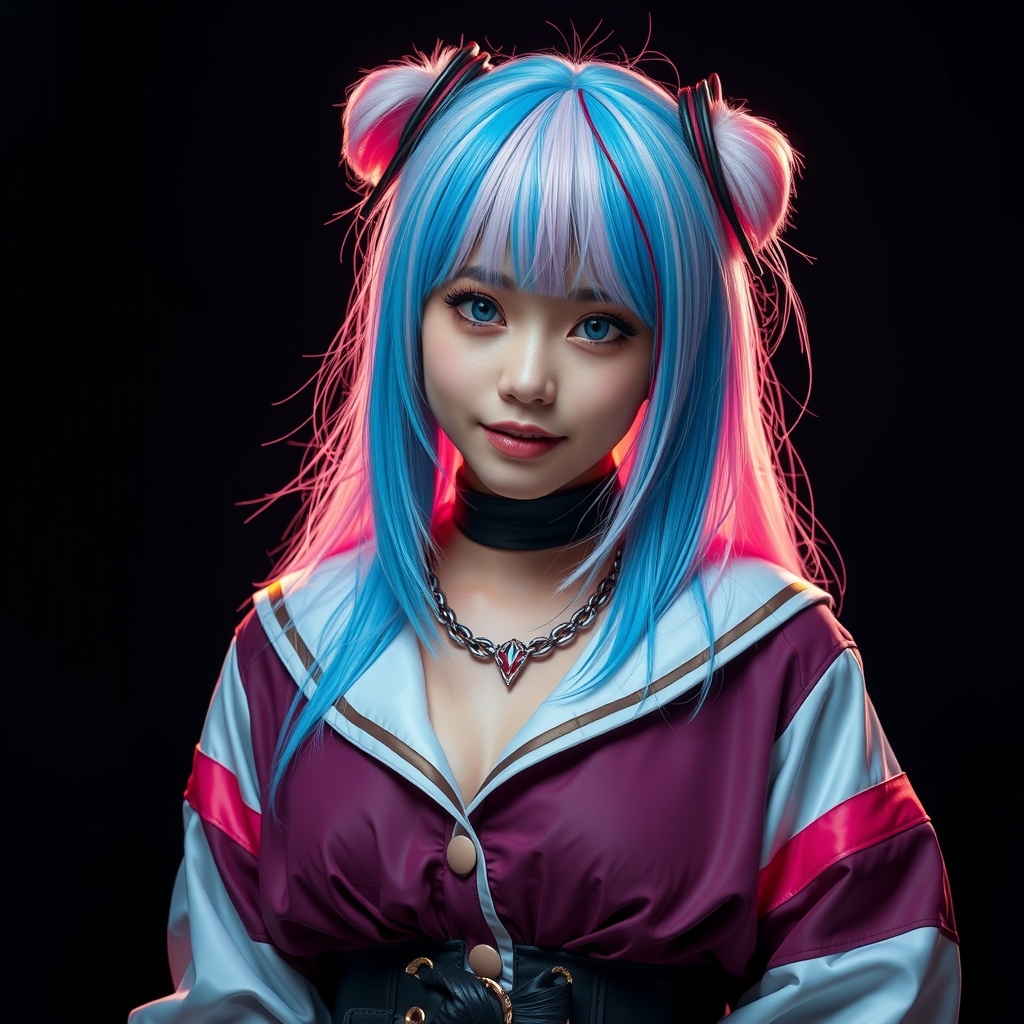
Cosplay is often viewed as a quest for literal accuracy—the goal being to replicate a 2D drawing as precisely as possible in a 3D space. However, some of the most striking costumes seen on competition stages are those that bridge the gap between character fidelity and high-fashion artistry. By adapting runway trends and couture construction methods, cosplayers can transform a standard costume into a piece of wearable art that feels sophisticated and intentional.
Understanding the Intersection of Couture and Cosplay
High fashion, or couture, is characterized by its focus on silhouette, fabric manipulation, and unconventional proportions. While anime character designs often feature exaggerated shapes, they are frequently simplified for animation. When you translate these designs to real life, you have an opportunity to apply "fashion logic" to the character's aesthetic. This means instead of simply copying a line on a drawing, you ask: "How would a luxury fashion house interpret this shape?"
The key to successful adaptation is maintaining the character's core visual identity—their color palette, iconic motifs, and silhouette—while upgrading the execution. This approach allows you to create "closet cosplays" that look like high-end streetwear or "competition builds" that look like they belong on a Paris runway.
Manipulating Silhouette with Structural Underpinnings
Runway fashion often defies gravity, using hidden structures to create dramatic shapes. In cosplay, this is the difference between a garment that hangs flat and one that commands attention. To achieve a high-fashion silhouette, you must look beneath the surface fabric.
Architectural Support
For oversized collars, stiffened peplums, or dramatic shoulder pads, avoid relying solely on the fabric's weight. Instead, integrate internal supports:
- Horsehair Braid: Sew this into hems to create a structured, undulating wave that keeps skirts and sleeves from collapsing.
- Industrial Interfacing: Use heavy-duty sew-in interfacing or buckram to create rigid shapes that maintain their form regardless of body movement.
- 3D Printed Frameworks: For avant-garde shapes that fabric cannot support, design lightweight plastic skeletons that can be upholstered in fabric.
Playing with Proportion
High fashion often plays with extreme proportions—think oversized sleeves paired with a cinched waist. When adapting a character, identify their "power point." If a character is known for a voluminous coat, exaggerate the volume further while sharpening the tailoring of the trousers. This contrast creates a visual tension that mimics modern editorial fashion.
Elevating Material Choice and Texture
One of the fastest ways to move a costume from "costume-y" to "couture" is by diversifying your textiles. Many cosplayers rely heavily on polyester blends or basic spandex, which can look flat under bright lights. High-fashion looks rely on the interplay of light and texture.
The Rule of Texture Contrast
To create depth, pair fabrics with opposing finishes. If your character wears a matte black outfit, avoid using the same black fabric for every piece. Instead, mix:
- Matte vs. Sheen: Pair a matte wool crepe with a high-gloss satin or vinyl.
- Heavy vs. Light: Combine a structured brocade with a sheer organza or chiffon.
- Organic vs. Synthetic: Mix a natural linen with a metallic synthetic foil.
Fabric Manipulation Techniques
Rather than relying on printed patterns, use physical manipulation to create detail. This adds a tactile quality that suggests high-end craftsmanship. Consider these techniques:
- Smocking and Pleating: Use precision pleating to create architectural ridges in fabric, adding a rhythmic quality to the garment.
- Fabric Sculpting: Use heat-setting on synthetic fabrics to create permanent folds or ripples.
- Appliqué and Embroidery: Instead of painting details onto fabric, use fabric-on-fabric appliqué or heavy embroidery to create raised, three-dimensional elements.
Adapting Streetwear Trends for Modern Characters
For characters with contemporary or urban designs, look toward "Techwear" and "Avant-Basic" trends. These styles emphasize utility, asymmetry, and oversized silhouettes, which align perfectly with many modern anime and gaming aesthetics.
Integrating Functional Hardware
Replace standard zippers and buttons with industrial hardware. Use tactical buckles, nylon webbing, and carabiners to add a "tech" edge to the outfit. The secret to making this look like fashion rather than a utility belt is placement. Position straps asymmetrically or use them to create intentional draping in the fabric.
The Oversized Aesthetic
Modern runway trends often embrace the "anti-fit" look. When adapting a character's casual wear, experiment with dropped shoulders and wide-leg trousers. To ensure the look remains intentional and not simply "too big," maintain a sharp focal point—such as a tightly tailored belt or a structured neckline—to anchor the oversized elements.
The Final Polish: Styling and Presentation
A high-fashion look is never just about the clothes; it is about the total composition. To truly bridge the gap between anime and runway, pay close attention to the styling details that tie the ensemble together.
Cohesive Accessories
Avoid accessories that look like plastic toys. Instead, aim for materials that mimic luxury goods. If a character has a specific prop or jewelry piece, consider casting it in resin and painting it with metallic powders to simulate polished chrome or brushed gold. Ensure that the hardware of your accessories matches the hardware of your clothing (e.g., all silver or all gold) for a professional, curated appearance.
Intentional Layering
High fashion is often built on layers. Instead of one solid piece, break the character's outfit into layers. A sheer undershirt beneath a structured vest, or a long duster coat over a cropped top, adds complexity to the silhouette. This not only adds visual interest but also allows you to play with the texture contrast mentioned previously.
Balancing Accuracy and Artistry
The most common fear when adapting high-fashion trends is losing the "recognizability" of the character. The solution is to keep the "anchor points" intact. Anchor points are the specific visual cues that make a character instantly identifiable—a specific hair color, a signature accessory, or a primary color scheme.
As long as these anchor points remain untouched, you have immense freedom to experiment with the construction and fabric of the rest of the outfit. By treating your cosplay as a fashion interpretation rather than a literal copy, you create a piece that is not only a tribute to the character but a testament to your skill as a designer and builder.