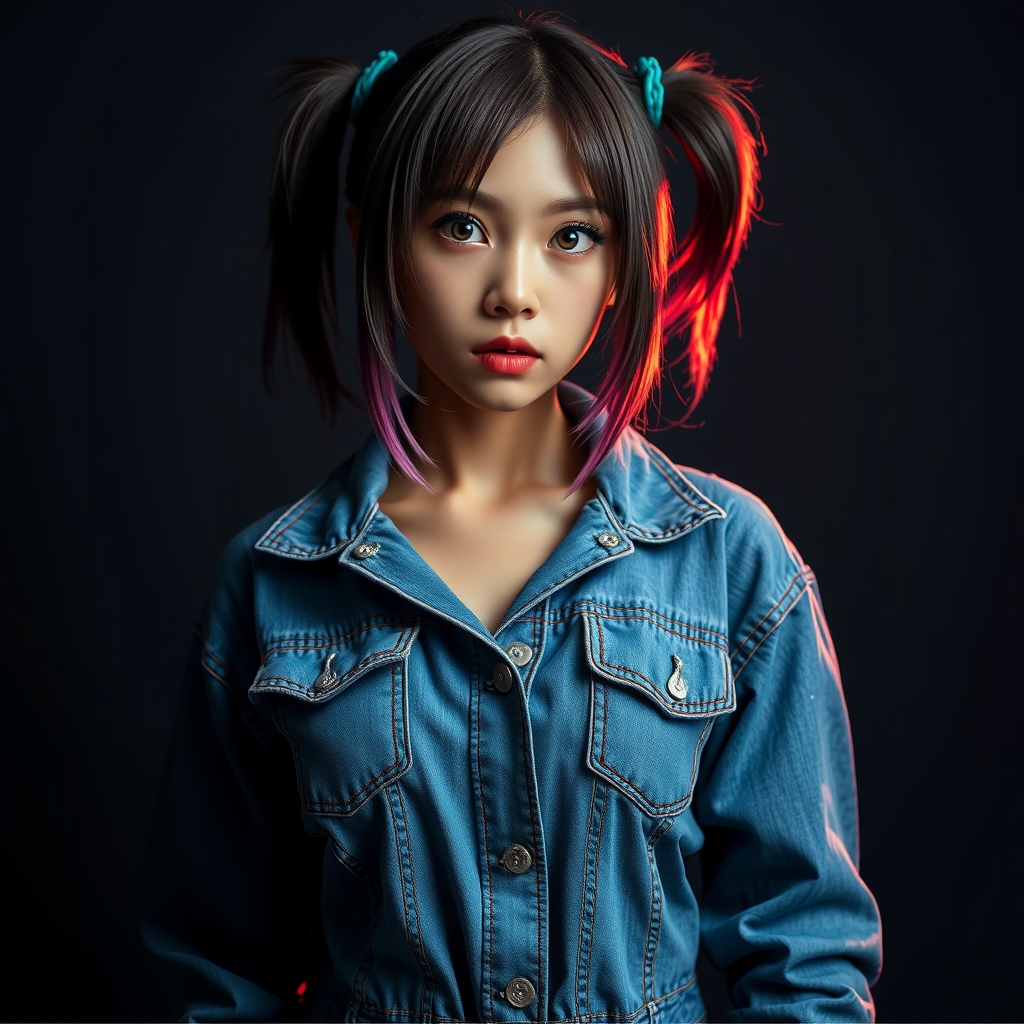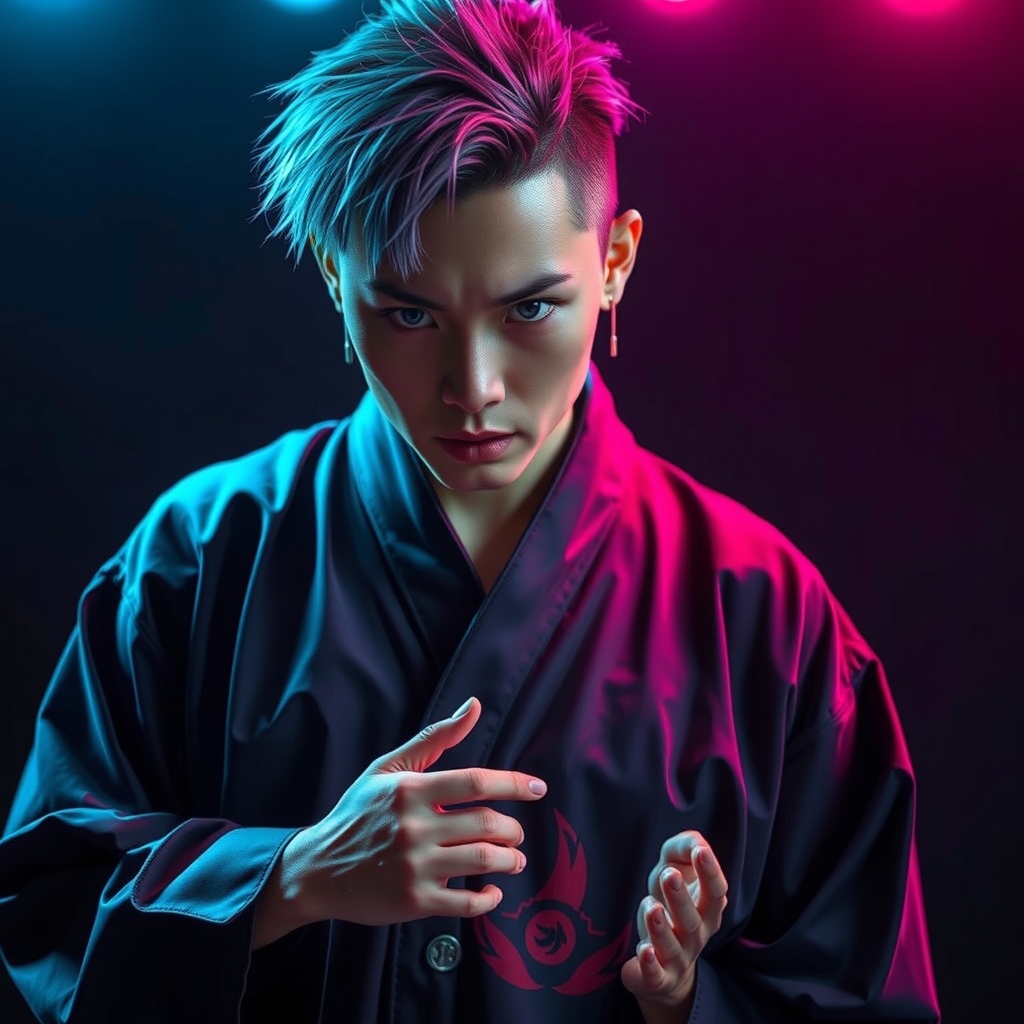
The aesthetic of Jujutsu Kaisen is defined by a paradoxical blend of traditional Japanese school uniforms and modern streetwear. While the designs appear simple at a glance—mostly dark navy or black jackets and trousers—the "realism" of these costumes lies in the structure. To move from a generic store-bought look to a professional, stage-ready ensemble, cosplayers must focus on the weight of the fabric and the precision of the tailoring to achieve those sharp, architectural lines characteristic of the series.
Selecting the Right Textiles
The most common mistake in creating Jujutsu Kaisen costumes is using thin polyester or costume satin. These fabrics drape too softly, causing the jackets to look like pajamas rather than uniforms. To achieve the structured look of a Jujutsu High uniform, you need fabrics with inherent stability and a matte finish.
Heavyweight Gabardine and Twill
For the main body of the jacket and trousers, a heavyweight cotton twill or wool-blend gabardine is ideal. Gabardine is a tightly woven fabric with a diagonal rib, providing a crisp drape that holds a crease. This is essential for the sharp folds in the trousers and the stiff collar of the jackets. If you are looking for a more authentic Japanese feel, seek out high-density cottons that resist wrinkling but maintain a heavy "drop."
Interfacing and Support
Fabric choice alone isn't enough; internal structure is where the magic happens. To prevent the collar from collapsing and the chest from sagging, use a heavy-weight fusible interfacing. Apply this to the collar, the lapels, and the button placket. For the most realistic results, consider a "canvas" construction in the chest area, which mimics high-end tailoring by creating a rigid shell that maintains the garment's shape regardless of the wearer's body type.
Mastering the Signature Silhouette
The characters in Jujutsu Kaisen often wear uniforms that are slightly oversized yet tailored. This creates a silhouette that is imposing but functional. Achieving this requires a specific approach to pattern drafting.
The Structured Jacket
The jacket should not fit like a standard blazer. Instead, aim for a "boxy" fit with dropped shoulders. To ensure the jacket doesn't look simply "too big," focus on the sleeve taper. The sleeves should be wide at the shoulder but narrow significantly toward the wrist. This creates a visual anchor that prevents the fabric from swallowing the wearer.
The High-Collar Construction
The stand-up collar is a hallmark of the series. To keep this collar upright without it digging into the neck, use a combination of heavy interfacing and a "collar stay" technique. Sew a thin strip of plastic or stiff buckram into the seam of the collar. This ensures that even after hours of wear at a convention, the collar remains perpendicular to the neckline, maintaining the character's stern profile.
Advanced Tailoring Techniques for Realism
To elevate a costume from "costume" to "clothing," you must employ professional finishing techniques. These details are often invisible but are felt in the way the garment moves and hangs on the body.
Precision Pressing
In professional tailoring, pressing is as important as sewing. Use a steam iron and a pressing cloth to set every seam. For the trousers, a sharp center crease is mandatory. This vertical line elongates the leg and provides the military-esque precision seen in the anime. Press the seams open on the jacket to reduce bulk, which allows the fabric to lie flat against the body.
Topstitching for Definition
Many of the uniforms feature subtle topstitching along the edges of the pockets and collars. Using a slightly thicker thread (topstitching thread) and a longer stitch length creates a visible border that defines the garment's edges. This adds a layer of industrial detail that suggests the uniform was mass-produced for an organization, rather than handmade in a home studio.
Integrating Accessories and Layering
Realism is found in the layers. The characters often mix their uniforms with personal items, such as hoodies, scarves, or specialized footwear. These additions should contrast in texture to make the main uniform pop.
Textural Contrast
If your character wears a hoodie under their jacket, avoid using the same fabric for both. Pair the matte, heavy twill of the jacket with a soft, brushed cotton fleece for the hoodie. This contrast in textures creates visual depth and makes the costume look more organic. For characters with scarves or wraps, use linens or lightweight wools that drape differently than the structured uniform.
Footwear Coordination
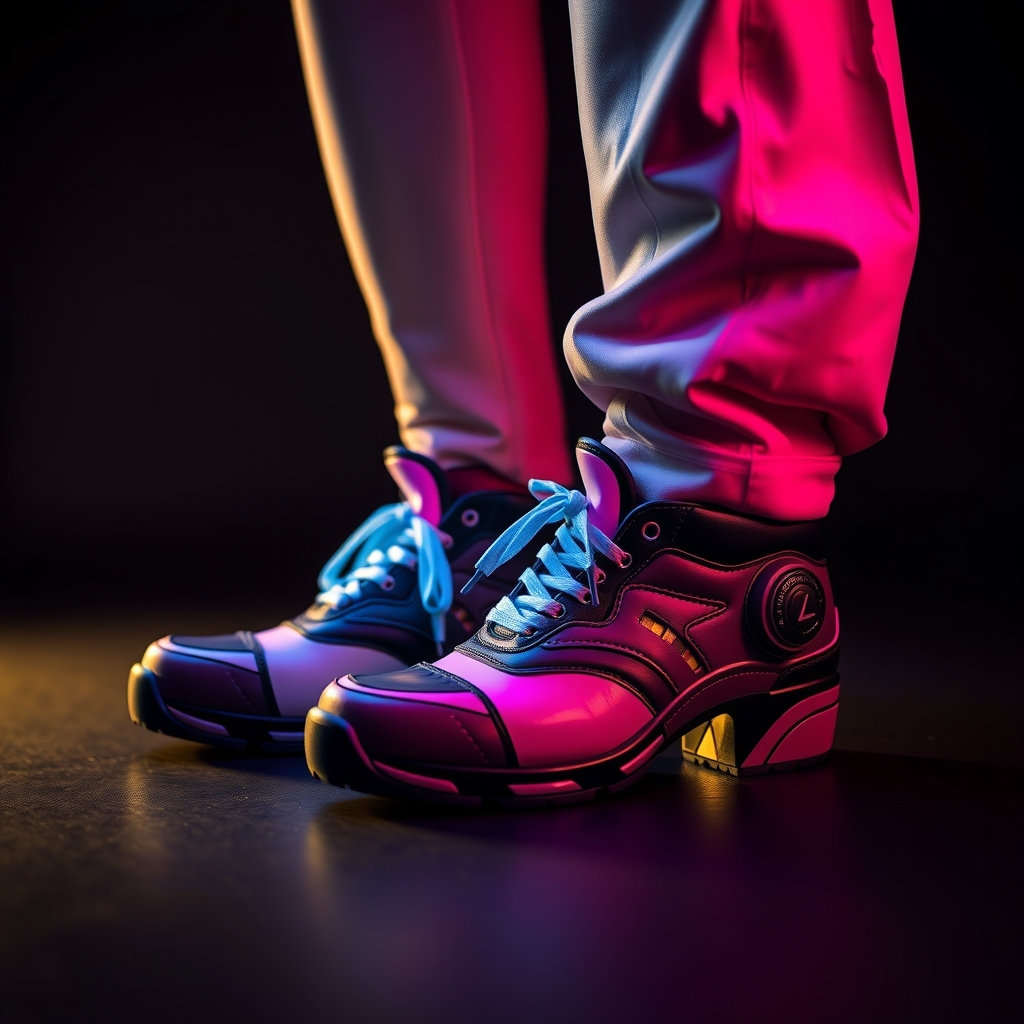
The shoes often anchor the entire look. Instead of generic sneakers, look for footwear with a chunky sole and a matte finish. If the character wears traditional-style footwear, ensure the socks are a heavy-gauge knit. The goal is to maintain the "weight" of the outfit from head to toe, ensuring no part of the costume looks flimsy compared to the rest.
Maintenance and On-Stage Care
A realistic costume can quickly lose its impact if it becomes wrinkled or stained during an event. Because heavyweight fabrics like gabardine can be prone to specific types of creasing, a maintenance kit is essential.
- Portable Steamer: Essential for refreshing the collar and trouser creases between photo sessions.
- Lint Roller: Dark navy and black fabrics attract every speck of dust; a lint roller is mandatory for maintaining a clean, professional look.
- Fabric Protector: Apply a hydrophobic spray to the lower hems of the trousers to prevent splashes and dirt from ruining the deep pigment of the fabric.
By focusing on the intersection of textile weight, internal structure, and precision pressing, you can transform a simple uniform into a cinematic piece of wearable art. The key to Jujutsu Kaisen cosplay is not in the complexity of the design, but in the quality of the execution.