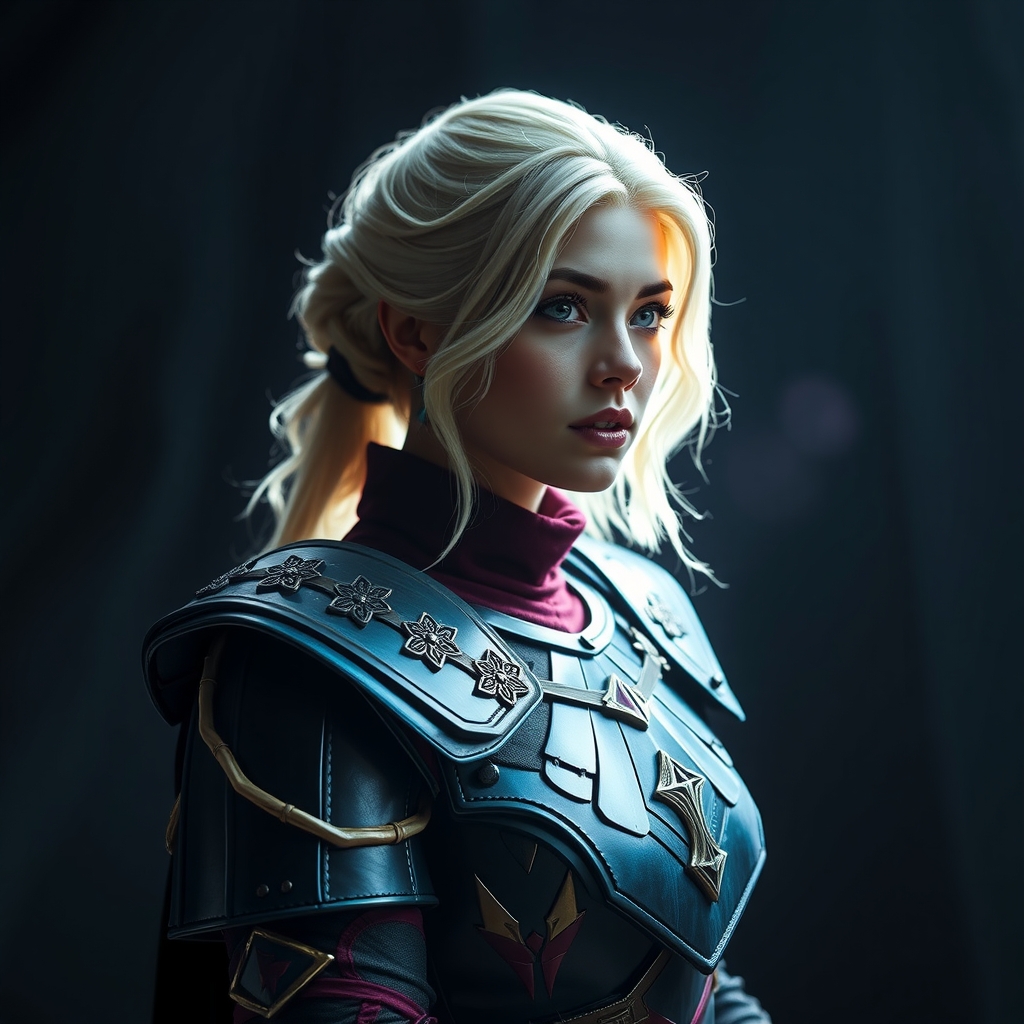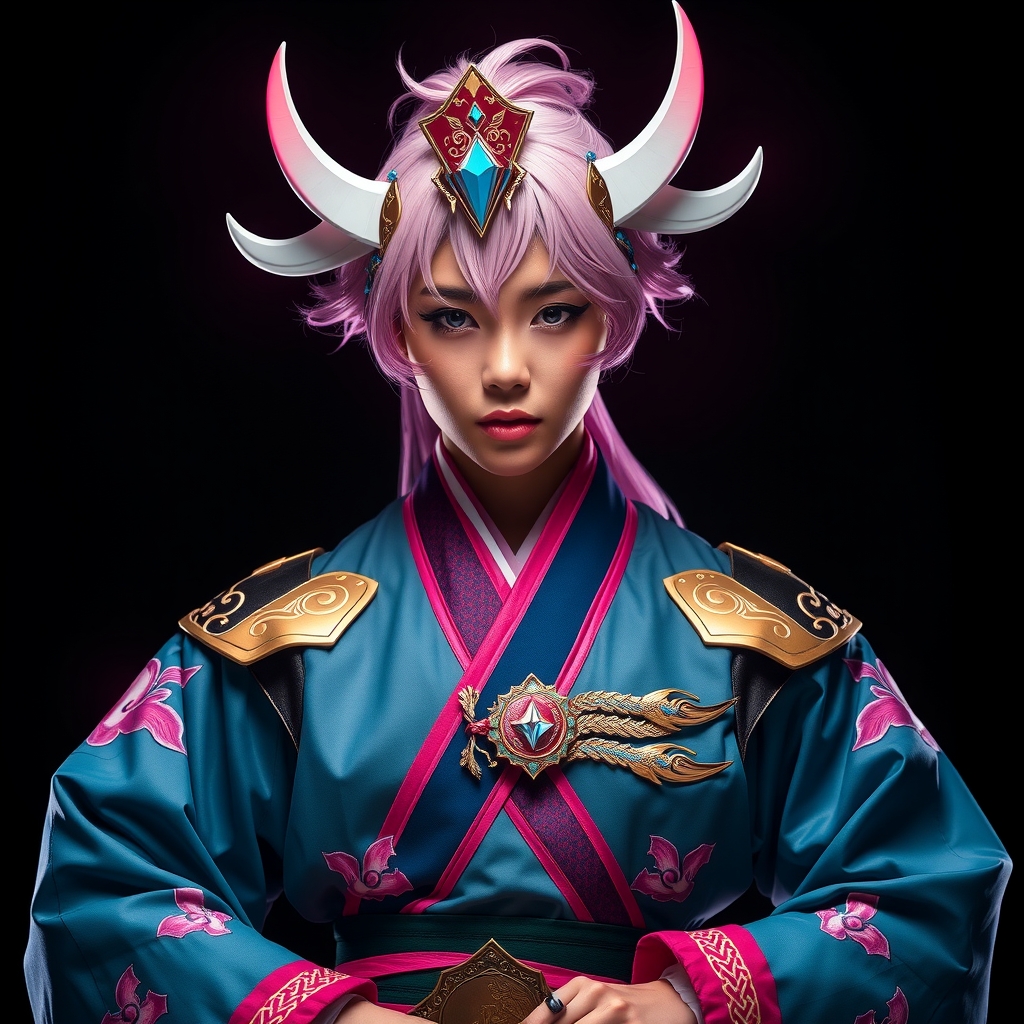
The character designs in Genshin Impact are defined by a blend of high-fantasy silhouettes and cultural motifs. From the flowing silks of Liyue to the structured, military-inspired attire of Mondstadt and the ornate layers of Inazuma, the game presents a unique challenge for cosplayers: balancing exaggerated anime proportions with real-world textile physics. To successfully bring these national styles to life, a builder must focus on structural integrity, fabric contrast, and the strategic use of hard-surface accents.
Analyzing the Visual Language of Teyvat
Before cutting fabric, it is essential to break down the "visual language" of the specific region your character hails from. Each nation in the game uses distinct shapes and textures to convey its identity. Mondstadt designs often lean toward European medieval and renaissance influences, utilizing linens, leathers, and gold trim. Liyue focuses on fluid movements and intricate embroidery, mirroring traditional East Asian aesthetics. Inazuma emphasizes sharp lines, layered kimonos, and high-contrast color palettes.
When analyzing your reference images, look beyond the colors. Identify where the fabric is stiff (structural) and where it is soft (draping). Many Genshin characters wear garments that defy gravity; identifying these areas allows you to plan where to hide internal supports like horsehair braid, boning, or foam inserts to maintain the character's silhouette.
Fabric Selection for Regional Aesthetics
Choosing the right fabric is the difference between a costume that looks like a "costume" and one that looks like a "garment." Avoid using thin, shiny satins for everything, as they often look cheap under convention lighting and do not hold shape.
Structured and Military Styles
For characters with uniforms or structured coats, opt for mid-weight twills, faux leathers, or heavy cotton blends. These fabrics provide the necessary "snap" to collars and cuffs. If a garment requires a crisp edge, interfacing is non-negotiable. Use a heavy-weight fusible interfacing to ensure that lapels and shoulder tabs remain rigid throughout the day.
Fluid and Ethereal Styles
For the flowing robes and capes common in Liyue and Sumeru, consider blends of crepe, chiffon, or high-quality polyester blends that offer a soft drape. To prevent these lightweight fabrics from clinging to the body or looking flat, layer them. Using a lining fabric that is slightly heavier than the outer shell can create a professional, weighted movement that mimics the in-game animations.
Adding Texture and Detail
The "luxury" feel of Teyvat costumes comes from the contrast of textures. Pair a matte fabric with a metallic trim or a velvet accent. For the intricate gold patterns found on many characters, consider using gold bias tape, metallic embroidery thread, or heat-transfer vinyl for a clean, consistent look.
Engineering the "Impossible" Silhouette
Many characters feature oversized sleeves, floating accessories, or rigid collars that would naturally collapse. To achieve these looks, you must integrate structural elements into your sewing process.
- Foam-Core Collars: For high, stiff collars, sandwich a thin layer of 2mm EVA foam between the outer fabric and the lining. This provides a lightweight skeleton that keeps the collar upright without restricting neck movement.
- Wire-Rimmed Hems: To create the flared look of certain skirts or wide sleeves, sew a plastic boning channel or a heavy-gauge galvanized wire into the hem. This allows you to sculpt the fabric into specific curves that hold their shape.
- Internal Harnesses: For heavy accessories or oversized shoulder guards, do not rely on the fabric of the shirt to hold the weight. Build a hidden harness using nylon webbing and buckles worn underneath the clothing to distribute the weight across your shoulders and torso.
Crafting National Accessories and Hard-Surface Props
Accessories are what define the regional identity of a Genshin character. Whether it is a vision, a catalyst, or ornate jewelry, these pieces require a different set of tools than the clothing.
Working with EVA Foam
EVA foam is the industry standard for the armor and rigid ornaments seen in the game. For small, detailed pieces, use high-density foam (5mm or less). Use a heat gun to shape the foam into the organic curves seen in the game's art. To achieve a metallic finish, seal the foam with a flexible primer before applying acrylics or spray paints. This prevents the paint from cracking when the foam flexes.
Creating the "Vision" Effect
The Vision is a focal point of every character. To make these look authentic, use clear casting resin mixed with a small amount of pigment. For an added glow, embed a small, battery-operated LED in the base of the prop. Ensure you create a secure mounting point—such as a strong magnet or a heavy-duty clip—so the Vision stays positioned correctly on the fabric without sagging.
Finishing Touches and Weathering
A pristine costume can sometimes look artificial. To add depth and realism, apply subtle weathering and finishing techniques based on the character's lore.
For characters who travel frequently or fight in the wild, use a diluted acrylic paint or fabric dyes to add "dirt" to the hems of cloaks and the edges of boots. Use a dry-brush technique with silver paint on the edges of armor or metallic buttons to simulate wear and tear. Conversely, for high-society characters, focus on "polishing"—using a fabric steamer to remove every wrinkle and applying a clear gloss varnish to jewelry to make it pop under camera flashes.
Finally, consider the weight of your garments. Because these costumes are often layered, the heat can become overwhelming. Incorporate hidden ventilation, such as mesh panels under the arms or breathable linings, to ensure you can wear the ensemble comfortably for several hours.