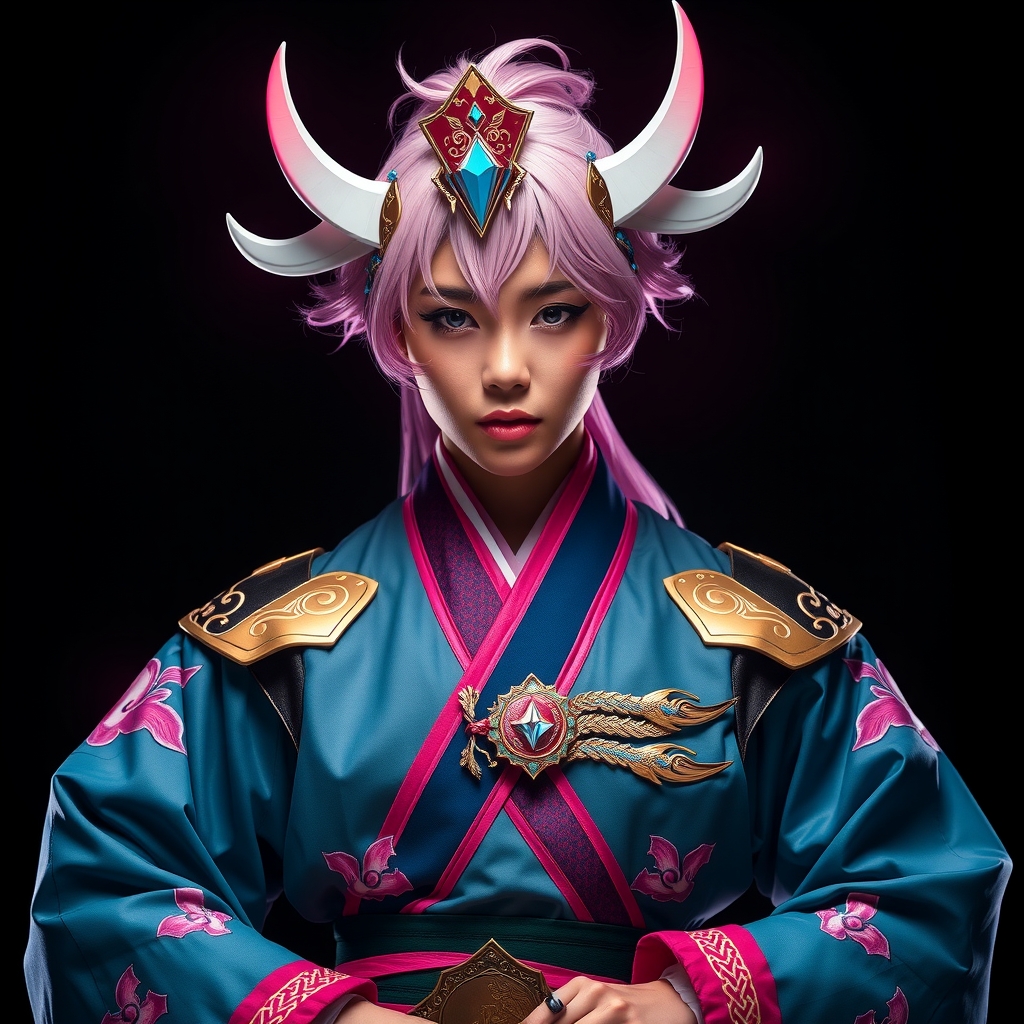
For cosplayers specializing in anime and gaming aesthetics, the choice of material often dictates the final silhouette of the garment. While genuine leather is prized for its longevity, synthetic alternatives—specifically high-grade faux leathers originating from South Korean textile hubs—have become the gold standard for creators seeking a balance between visual fidelity, weight, and accessibility. These materials are engineered to mimic the grain and drape of animal hides while offering a spectrum of colors and finishes that are often impossible to achieve with organic materials.
Understanding the Composition of Korean Synthetics
Not all faux leather is created equal. Most budget-grade synthetic leathers are simple PVC (polyvinyl chloride) coatings on a polyester base, which often result in a "plastic" look and poor breathability. In contrast, the high-end materials frequently sourced from Seoul's textile districts are typically PU (polyurethane) based or utilize a composite blend. These materials are designed with a multi-layer structure: a fabric backing for strength, a foam or fleece interlayer for stability, and a top-layer polyurethane coating for the finish.
When selecting these materials, cosplayers should look for "high-density PU." This variant offers a tighter grain and a more matte finish, which prevents the costume from reflecting camera flashes in a way that looks artificial. The structural integrity of Korean synthetics allows for sharper creases and cleaner edges, which is essential for the architectural lines found in modern anime character designs.
Selecting the Right Finish for Your Character
The "look" of your cosplay depends heavily on the sheen and texture of the material. Korean faux leathers generally fall into three primary categories, each suited for different types of costume elements.
Matte and Semi-Matte
These are the most versatile options for general clothing, boots, and belts. A matte finish absorbs light, making it look more like genuine nubuck or calfskin. This is the ideal choice for "grounded" character designs or tactical gear where a high-gloss look would feel out of place. Matte materials are also more forgiving when it comes to hiding small sewing errors or glue marks.
Patent and High-Gloss
For characters with futuristic, cybernetic, or high-fashion aesthetics, high-gloss PU is the preferred choice. These materials have a mirrored finish that creates strong highlights. However, they are more prone to showing scratches and fingerprints. When working with high-gloss materials, it is vital to use a non-stick pressing cloth during ironing to avoid melting the surface.
Textured and Grained
Some specialized synthetics feature embossed patterns, such as pebble grain or crocodile scales. These are excellent for adding visual interest to armor pieces or luxury accessories without the need for manual detailing. The embossed textures in high-grade Korean materials are typically deeper and more consistent than those found in lower-end fabrics, ensuring that the pattern does not "stretch out" or distort over seams.
Practical Cutting and Preparation Techniques
Working with synthetic leather requires a different approach than working with traditional woven fabrics. Because PU does not fray, you have more freedom with raw edges, but you must be precise with your cuts as mistakes cannot be "unpicked" like thread.
- Rotary Cutters Over Scissors: To avoid jagged edges and fabric shifting, use a rotary cutter and a metal ruler. This ensures that long straight lines—essential for belts and armor panels—remain perfectly linear.
- Pattern Weighting: Avoid using pins if possible. Pins leave permanent holes in polyurethane. Instead, use pattern weights or heavy washers to hold your templates in place.
- Grain Direction: While faux leather doesn't have a weave in the traditional sense, it does have a "stretch direction." Always test a scrap piece to see which way the material pulls. For structural pieces like corsets or boots, align the least-stretch direction with the vertical axis of the body to prevent sagging over time.
Sewing and Assembly Strategies
The biggest challenge when sewing Korean faux leather is the "permanent track." Once a needle penetrates the material, the hole remains. This makes seam ripping a last resort.
Needle and Thread Selection
Use a Microtex or a Leather needle. These needles have a sharper, smaller point designed to slice through the synthetic coating rather than pushing it. For thread, a heavy-duty bonded nylon or polyester thread is recommended. Cotton thread is too weak for the tension created by synthetic leathers and may snap under the stress of movement during a convention.
Machine Settings and Footing
The most common issue is "sticking," where the material clings to the presser foot, causing the fabric to bunch. To solve this, use a Teflon foot or a walking foot. If these are unavailable, placing a piece of clear scotch tape or a strip of tissue paper between the foot and the fabric can reduce friction. Set your stitch length slightly longer than usual (3.0mm to 3.5mm); stitches that are too close together can act like a perforation line, causing the material to tear along the seam.
Finishing and Long-Term Maintenance
To elevate a costume from "homemade" to "professional," the edges and seams must be finished. Since faux leather cannot be hemmed in the same way as cotton, consider these alternatives:
- Edge Painting: Use a dedicated leather edge paint or a flexible acrylic to seal the raw edges of straps and panels. This hides the fabric backing and gives the piece a solid, molded appearance.
- Binding: Wrap raw edges in a thin strip of matching faux leather or bias tape. This adds durability to high-wear areas like cuffs and collars.
- Cleaning: Avoid harsh chemicals or alcohol-based cleaners, which can strip the PU coating and cause peeling. Use a damp microfiber cloth and a mild soap for spot cleaning.
Storage for Longevity
Synthetic leather is susceptible to "blocking" or sticking to itself if stored in high-heat environments. Never store your finished garments in plastic bags. Instead, use breathable cotton garment bags. If the costume includes heavy armor pieces, store them flat or on wide, padded hangers to prevent the shoulders from stretching or the material from developing permanent creases. By following these guidelines, your investment in high-quality Korean materials will result in a costume that maintains its structural integrity and visual impact across multiple convention seasons.