Introduction to Shibori
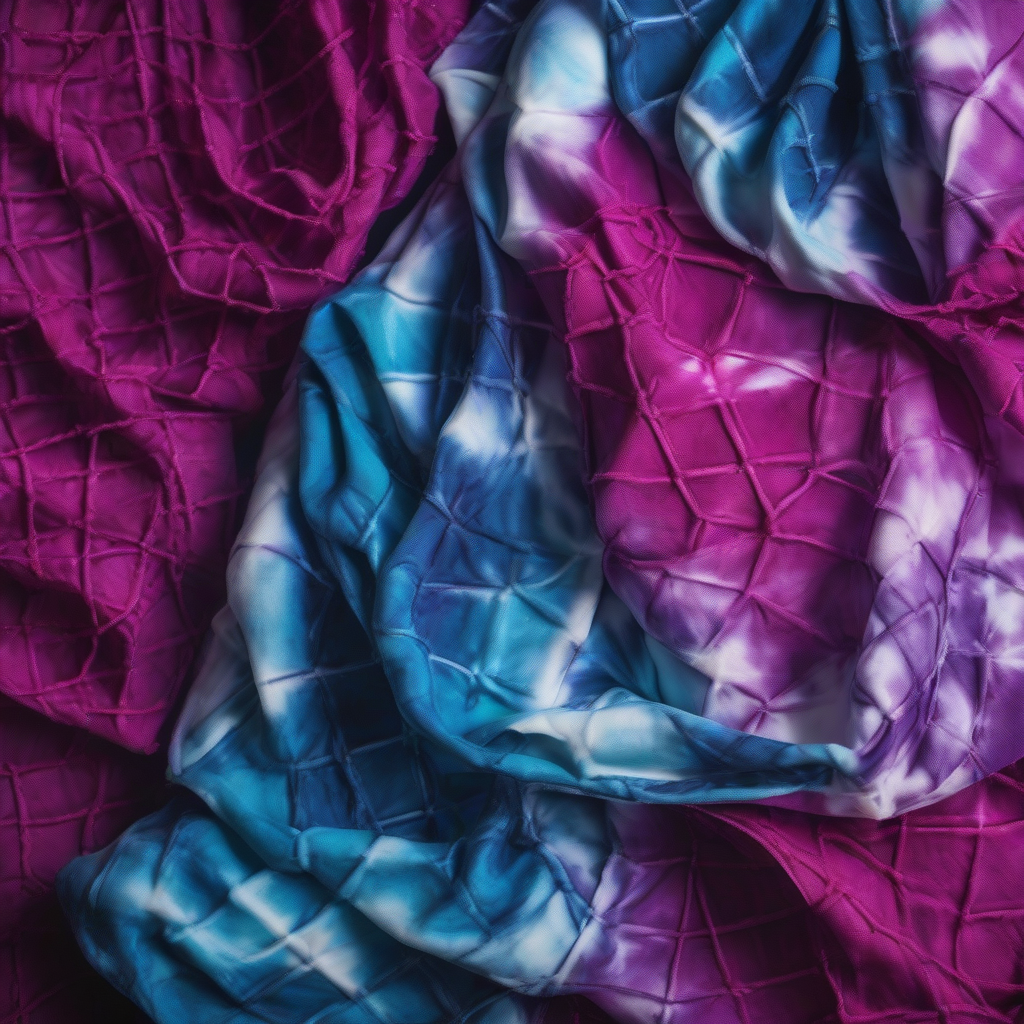
Shibori is a traditional Japanese technique of resist dyeing fabric, which involves folding, twisting, or pleating fabric to create resistance areas that prevent dye from penetrating. This results in intricate, patterned designs and unique textures that can add depth and visual interest to your cosplay costumes and accessories. With shibori, you can create one-of-a-kind pieces that showcase your creativity and attention to detail.
Understanding the Basics of Shibori
Before diving into the world of shibori, it's essential to understand the basics of this ancient technique. Shibori involves manipulating fabric to create resistance areas, which can be achieved through various methods, including:
- Folding: Folding fabric into accordion-like pleats or bunches to create resistance areas.
- Twisting: Twisting fabric while it's folded or bunched to create spiral patterns.
- Pleating: Creating sharp, defined pleats to create geometric patterns.
- Bundling: Gathering fabric into small bundles and binding them with thread or yarn.
Each method produces distinct patterns and textures, and experimenting with different techniques can help you achieve the desired effect.
Choosing the Right Fabric for Shibori
Not all fabrics are suitable for shibori, and selecting the right material is crucial for achieving the desired results. Natural fibers, such as cotton, silk, and wool, work well with shibori, as they can be easily manipulated and take dye well. Look for fabrics with a smooth, even texture, and avoid using stretchy or synthetic materials, as they may not hold the resist patterns well.
Step-by-Step Shibori Tutorial
Here's a step-by-step guide to creating a simple shibori design:
- Prepare your fabric: Wash and dry your fabric to remove any finishes that may affect the dye.
- Fold or manipulate your fabric: Choose your desired shibori method and fold or manipulate your fabric accordingly.
- Bind your fabric: Use thread, yarn, or rubber bands to hold your fabric in place.
- Dye your fabric: Submerge your bound fabric in dye, making sure to follow the manufacturer's instructions.
- Wait and rinse: Allow the dye to set, then rinse your fabric gently to remove excess dye.
- Unbind and wash: Carefully remove the bindings and wash your fabric to reveal the shibori design.
Tips and Variations for Advanced Shibori Techniques
Once you've mastered the basics of shibori, you can experiment with advanced techniques to create more complex designs:
- Multi-colored dyeing: Use multiple colors to create intricate, layered designs.
- Resist patterns: Combine shibori with other resist techniques, such as wax or stencil resist, for unique effects.
- Embellishments: Add beads, sequins, or embroidery to enhance your shibori design.
Remember to always test your techniques on scrap fabric before working on your final project.
Applying Shibori to Cosplay
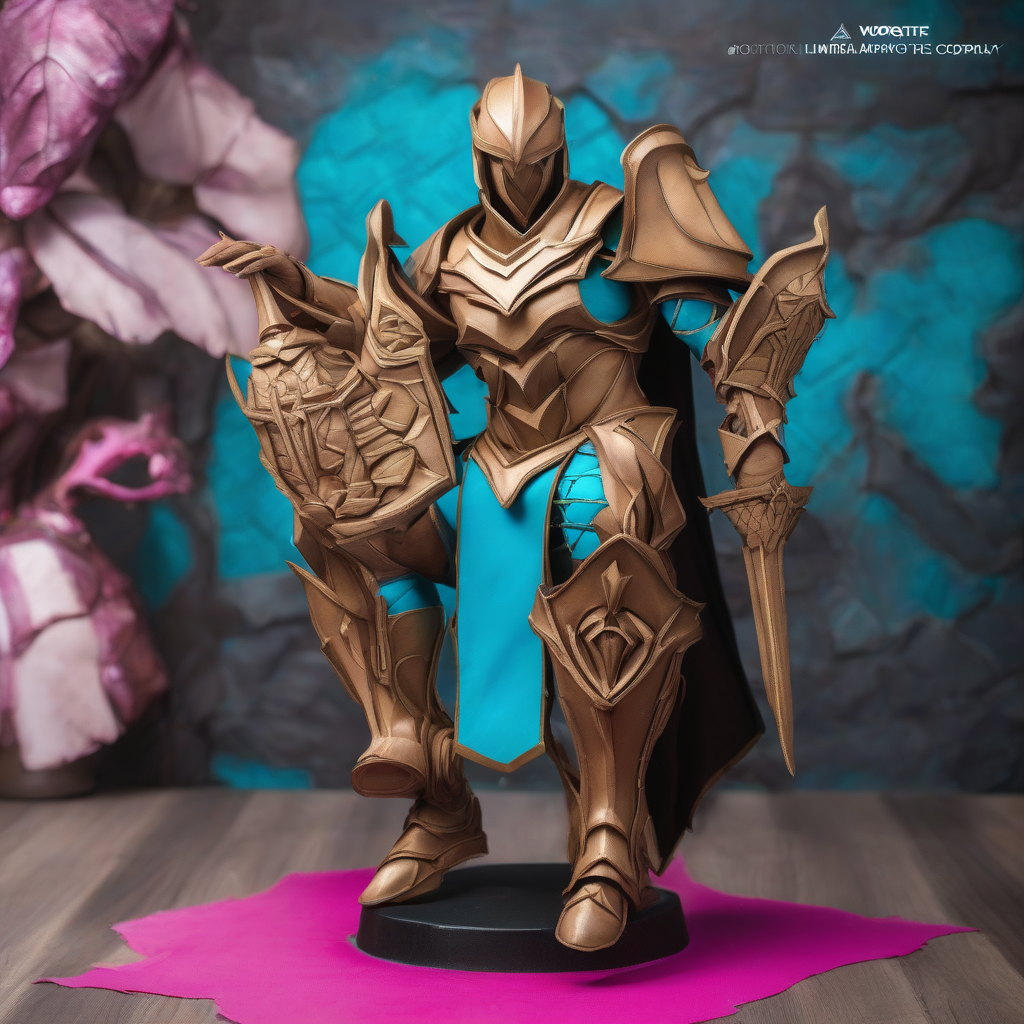
Shibori can add a unique touch to your cosplay costumes and accessories, from intricate patterns on a cloak to textured details on a prop. Consider using shibori to:
- Create fabric accessories: Use shibori to create one-of-a-kind fabric accessories, such as scarves, headbands, or belts.
- Enhance costume details: Add shibori details to your costume, such as textured patterns on a sleeve or intricate designs on a collar.
- Design props and set dressing: Use shibori to create unique textures and patterns on props and set dressing elements.
With shibori, the possibilities are endless, and you can let your creativity shine in your next cosplay project.