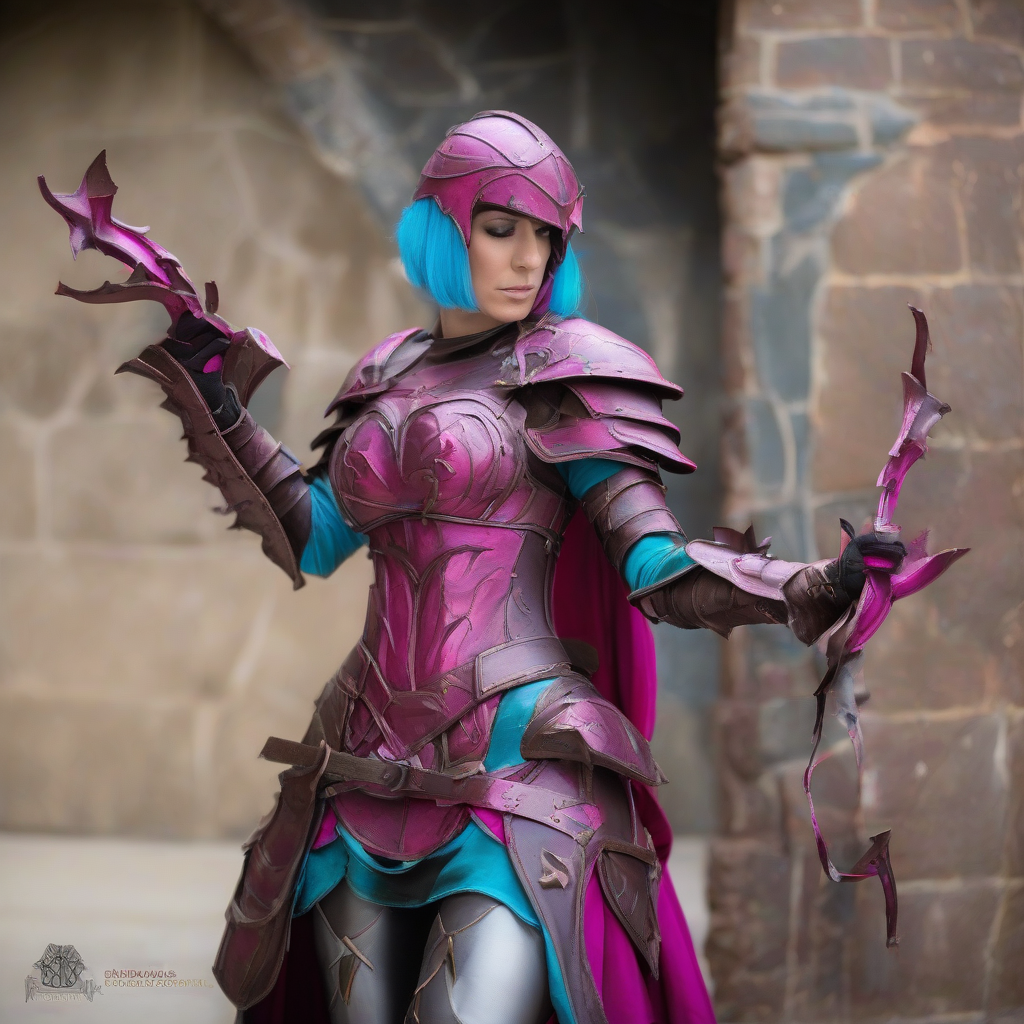

In the world of cosplay, the goal is often to bridge the gap between a 2D design and a 3D human form. Whether you are portraying a hyper-stylized anime character with exaggerated curves or a superhero with a powerful, athletic build, achieving the "correct" silhouette is often more important than the fabric choice itself. When a character is defined by a specific physique—such as a glamorous, curvy figure—cosplayers must look beyond standard clothing and delve into the art of body sculpting.
Understanding the Silhouette
The silhouette is the overall shape of your costume when viewed from a distance. In character design, silhouettes are used to convey personality: sharp angles suggest aggression or agility, while soft, rounded curves suggest elegance, warmth, or power. To replicate a "glamour" look, you aren't just wearing a crop top; you are managing how the eye perceives volume and proportion.
The key to a successful stylized silhouette is balance. If you add volume to the chest or hips, you must consider how that affects the waistline to maintain the intended aesthetic. Without structural support, costumes can sag or lose their shape, which breaks the illusion of the character.
The Role of Foundation Garments
Before putting on the outer layer of a costume, the "foundation" is where the real work happens. Professional cosplayers rarely rely on their natural shape alone to hit a specific character aesthetic.
- Compression Wear: High-quality shapewear or waist trainers can help create a more defined hourglass figure, providing a smooth base for tight-fitting fabrics like spandex or latex.
- Push-up Engineering: For characters with a more voluminous chest, specialized bras or adhesive enhancers can lift and center volume. This ensures that the garment (such as a crop top) sits flush against the skin without gaping.
- Hip and Butt Padding: To balance a larger upper body, adding foam or silicone pads to the hips creates a symmetrical, stylized curve that mimics the proportions often seen in gaming and anime art.
Advanced Padding Techniques
When off-the-shelf shapewear isn't enough, custom padding is the gold standard. The goal is to create a shape that looks organic rather than "lumpy."
Choosing Your Materials
Different materials provide different results based on the character's look:
- Upholstery Foam: Great for large, structural changes. It is lightweight and can be carved with scissors to create specific slopes.
- Silicone Inserts: These are heavier but move more naturally with the body, making them ideal for "glamour" cosplays where the costume is form-fitting.
- Poly-fill/Fiberfill: Best for soft, rounded additions. When sewn into a lining, it provides a natural-looking volume.
The "Graduation" Method
To avoid visible edges (the "shelf" effect), always use a graduation method. Instead of one thick piece of foam, layer thinner pieces of padding, tapering them off toward the edges. This creates a seamless transition from the padding to your natural body line, ensuring the crop top or bodice looks like a second skin.
Garment Construction for Curvy Figures
Wearing the right shapewear is only half the battle; the clothing must be engineered to support that shape. A standard store-bought crop top often lacks the structural integrity to hold a stylized silhouette in place during a long convention day.
The Power of Boning
If your character's look requires a snatched waist and a lifted bust, consider adding plastic or steel boning to the seams of your bodice. Boning prevents the fabric from wrinkling at the waist and forces the garment to maintain its vertical structure, which emphasizes the curves above and below.
Fabric Selection and Tension
The type of fabric you choose determines how much "help" your body needs:
- High-Stretch Spandex/Scuba: These fabrics compress the body and highlight curves, but they can be transparent if stretched too thin. Always line these garments.
- Neoprene: This is an excellent choice for a "structured" look. It holds its own shape and masks the edges of padding better than thinner fabrics.
- Vinyl/PVC: These provide a high-glamour shine but have zero breathability and no stretch. These require precise tailoring and often a hidden zipper to accommodate a sculpted figure.
Maintaining Comfort and Safety
Achieving a stylized look should never come at the cost of your health. Sculpting a body can be physically demanding, especially in crowded convention halls.
- Breathability: Heavy padding and compression wear trap heat. Use moisture-wicking undergarments to prevent skin irritation and overheating.
- The "Two-Finger" Rule: When using waist trainers or tight bodices, ensure you can fit two fingers comfortably between the garment and your skin. If you cannot breathe deeply, the garment is too tight and may cause fainting.
- Hydration and Breaks: Remember that restrictive clothing can affect your digestion and circulation. Take "decompression" breaks in the dressing room to stretch and hydrate.
Final Touches: Lighting and Posing
Once the craft is complete, the final step is presentation. A sculpted silhouette is most effective when paired with the right posing techniques.
To emphasize a curvy figure, avoid standing flat toward the camera. Instead, use a three-quarter turn. Shifting your weight to one hip and slightly arching the back creates a dynamic line that highlights the work you put into your padding and tailoring. When wearing a crop top, ensure the hem is aligned with the narrowest part of your waist to maximize the visual impact of the silhouette.