Introduction to Realistic Aging Effects
Creating realistic aging effects is a crucial aspect of bringing characters to life in cosplay. Whether you're aiming for a subtle, aged look or a more dramatic, fantastical appearance, mastering the art of deception requires a combination of makeup and prosthetic techniques. In this guide, we'll explore the materials, methods, and best practices for achieving convincing aging effects that will elevate your cosplay to the next level.
Understanding Skin and Aging
Before diving into techniques, it's essential to understand the basics of skin and aging. Skin is a complex, dynamic organ that changes over time due to a combination of factors, including genetics, environment, and lifestyle. As we age, our skin undergoes a range of transformations, including the loss of collagen and elastin, reduced skin elasticity, and the formation of wrinkles and fine lines.
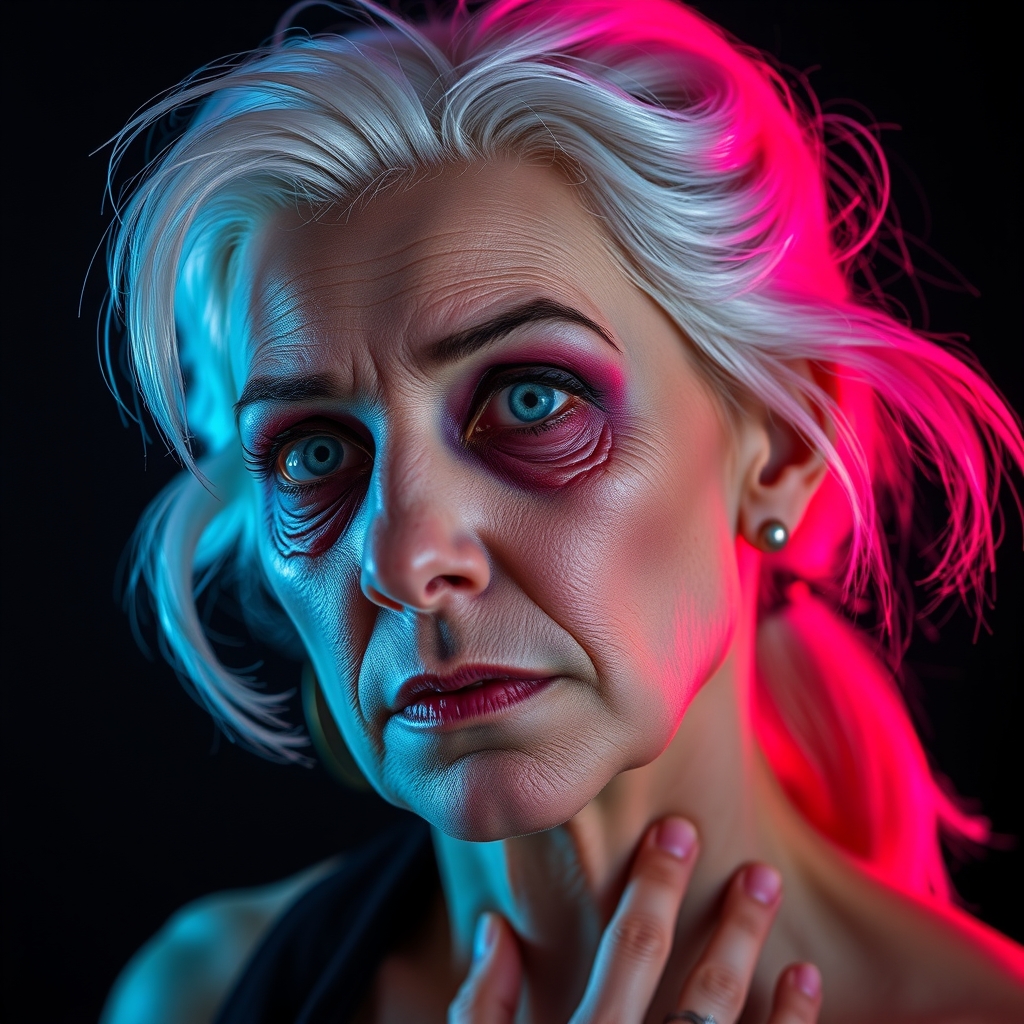
To create realistic aging effects, it's crucial to study reference images and observe the way light interacts with the skin. Note the texture, tone, and subtle nuances of aging skin, and use these observations to inform your makeup and prosthetic applications.
Makeup Techniques for Aging Effects
Makeup is a powerful tool for creating subtle, realistic aging effects. Here are some techniques to get you started:
- Layering: Build up layers of makeup to create depth and dimension. Start with a base layer of foundation or skin tone, and gradually add layers of color and texture to achieve the desired effect.
- Coloring: Use a range of colors to create a natural, aged appearance. Warm, earthy tones can help to create a sense of depth and dimension, while cool, blue-based tones can be used to create a more subtle, nuanced look.
- Texturing: Use texture to add visual interest and create a more realistic appearance. Apply makeup in thin layers, allowing each layer to dry before adding additional texture.
Prosthetic Techniques for Aging Effects
Prosthetics can be used to create more dramatic, elaborate aging effects, such as scars, wounds, or facial deformities. Here are some techniques to consider:
- Casting and molding: Create custom prosthetic pieces using casting and molding techniques. This allows for precise control over the shape, texture, and color of the prosthetic.
- Adhesives and attachments: Use adhesives and attachments to secure prosthetic pieces in place. Choose products that are safe for skin and easy to remove.
- Blending: Blend prosthetic edges seamlessly into surrounding skin using makeup and texture. This helps to create a natural, realistic appearance.
Materials and Tools for Aging Effects
A range of materials and tools can be used to create aging effects, including:
- Makeup: Choose high-quality, flexible makeup products that are designed for use on skin.
- Prosthetic materials: Select materials that are suitable for skin contact, such as silicone, foam latex, or gelatin.
- Adhesives and removers: Use products that are safe for skin and easy to remove.
- Tools and brushes: Invest in high-quality tools and brushes to help achieve precise, detailed work.
Tips and Best Practices
Here are some final tips and best practices to keep in mind when creating realistic aging effects:
- Study reference images: Observe the way light interacts with skin, and note the texture, tone, and subtle nuances of aging skin.
- Test and iterate: Test different techniques and materials, and be willing to make adjustments as needed.
- Practice patience: Creating realistic aging effects takes time and practice. Don't be discouraged if it takes time to achieve the desired result.
- Focus on subtlety: Realistic aging effects often rely on subtle, nuanced details. Avoid overdoing it, and focus on creating a natural, convincing appearance.
Conclusion
Mastering realistic aging effects is a key aspect of creating convincing, immersive cosplay. By combining makeup and prosthetic techniques, and using a range of materials and tools, you can achieve a wide range of aging effects, from subtle wrinkles to elaborate prosthetic pieces. With practice, patience, and attention to detail, you can create realistic, convincing characters that will captivate and inspire audiences.