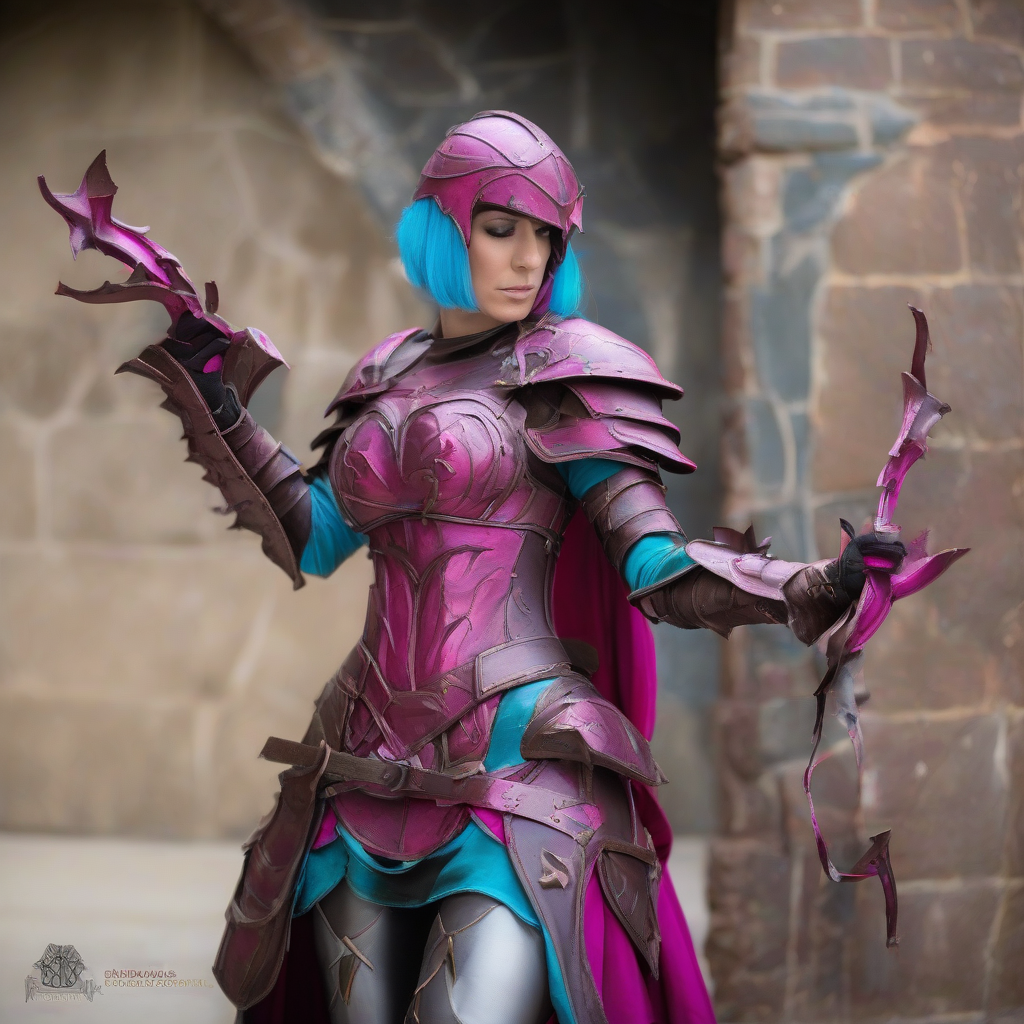

When a director like Na Hong-Jin describes his film as "unhinged," it provides a goldmine of inspiration for cosplayers and prop builders. The announcement of Hope at Comic-Con, featuring an ensemble cast including Alicia Vikander and a premise involving aliens, suggests a visual palette that deviates from the sterile, polished look of traditional big-budget sci-fi. For the cosplay community, this represents a shift toward "dirty sci-fi"—an aesthetic where the environment and the extraterrestrial elements feel visceral, tactile, and worn.
Analyzing the 'Unhinged' Aesthetic
To accurately cosplay characters from a film described as unhinged, you must move away from symmetry and perfection. In high-concept sci-fi, the most compelling costumes often tell a story through their degradation. If the film explores the chaotic intersection of humanity and alien life, your build should reflect that friction.
Start by identifying the "stress points" of the character's wardrobe. Where would an alien encounter cause the most wear? Look for areas where fabric would tear, where metal would oxidize, or where organic slime might leave a permanent stain. The goal is to create a garment that looks like it has survived a traumatic event, rather than one that just stepped off a sewing machine.
Material Selection for Otherworldly Textures
Creating alien-hybrid costumes requires materials that mimic biological structures without looking like cheap plastic. To achieve the organic, unsettling look often associated with Na Hong-Jin’s atmospheric tension, consider these materials:
- Latex and Silicone: Essential for creating skin-like textures or prosthetic growths. Use a translucent silicone to allow light to penetrate the surface, mimicking real flesh.
- Worbla and Thermoplastics: Ideal for rigid, alien skeletal structures or armor that needs to look fused to the body.
- Industrial Rubber and Vinyl: These provide a heavy, utilitarian feel that grounds the "unhinged" elements in a believable reality.
- Textured Fabrics: Avoid flat cottons. Opt for neoprene, heavy linens, or distressed canvas that can hold heavy loads of paint and grime.
The Art of the 'Grit': Advanced Weathering Techniques
The difference between a costume and a character is weathering. To capture the mood of Hope, you need to implement a layering process that suggests a history of struggle. A clean costume is a costume; a weathered costume is a narrative.
Layering the Grime
- The Base Wash: Start with a diluted acrylic wash in burnt sienna or raw umber. Apply this to the recesses of the fabric and armor to create artificial depth.
- Dry Brushing: Use a stiff-bristled brush with a lighter shade of the base color to highlight the edges of props, simulating where the character's gear has rubbed against concrete or metal.
- Organic Staining: To simulate alien fluids or biological decay, use fabric dyes or alcohol-based inks. Greens, deep purples, and iridescent golds can suggest an extraterrestrial origin without looking like neon paint.
- Physical Distressing: Use sandpaper, wire brushes, or even a soldering iron (carefully) to create frays, holes, and burns. Focus these on the knees, elbows, and hems.
Engineering Alien Silhouettes
When dealing with alien designs, the silhouette is your most powerful tool. To evoke the "unhinged" nature of the film, experiment with proportions that challenge the human form. This can be achieved through subtle modifications to the body's natural outline.
Consider using foam-core extensions to elongate the limbs or distort the shoulders. If the character is a hybrid, integrate organic shapes—such as asymmetrical protrusions or undulating ridges—into the costume. The key is to avoid perfect symmetry; an alien presence is more unsettling when it feels slightly "off" or biologically unpredictable.
Integrating Electronics for Atmospheric Effect
To truly bring a sci-fi cosplay to life, consider integrating low-profile electronics. Rather than bright, flashing LEDs, aim for a "pulsing" effect. Using an Arduino or a simple flicker circuit can simulate a biological heartbeat or a malfunctioning piece of alien technology. Hide these lights beneath translucent silicone layers to create a subsurface glow, which adds to the eerie, cinematic quality of the build.
Psychology of the Build: Character Immersion
Cosplaying a role in a Na Hong-Jin film requires more than just a visual match; it requires an understanding of the psychological weight the characters carry. When designing your costume, ask yourself: How does this character feel about the aliens? Are they terrified, obsessed, or transformed?
If the character is in a state of panic, their clothing should be disheveled—buttons missing, collars skewed, and boots caked in mud. If they are an authority figure trying to maintain order amidst chaos, their uniform should be meticulously kept but showing signs of extreme fatigue, such as deep creases and sweat stains. This attention to detail transforms a prop-heavy outfit into a believable piece of cinematic storytelling.
Final Assembly and Convention Survival
Because "unhinged" designs often involve heavy materials and complex silhouettes, comfort is paramount for convention wear. Ensure that your silicone prosthetics are properly adhered with medical-grade adhesives to prevent peeling during a long day of photoshoots.
If your costume features heavy weathering, remember that some dyes and paints can rub off on other cosplayers or convention carpets. Seal your work with a matte clear coat or a fabric sealant to ensure that the "grime" stays on your costume and off the venue floor. Finally, always carry a "touch-up kit" containing a small brush and a bottle of your primary wash to fix any scuffs that occur during transit.