
Introduction to Hyper-Realistic Cosplay Scales
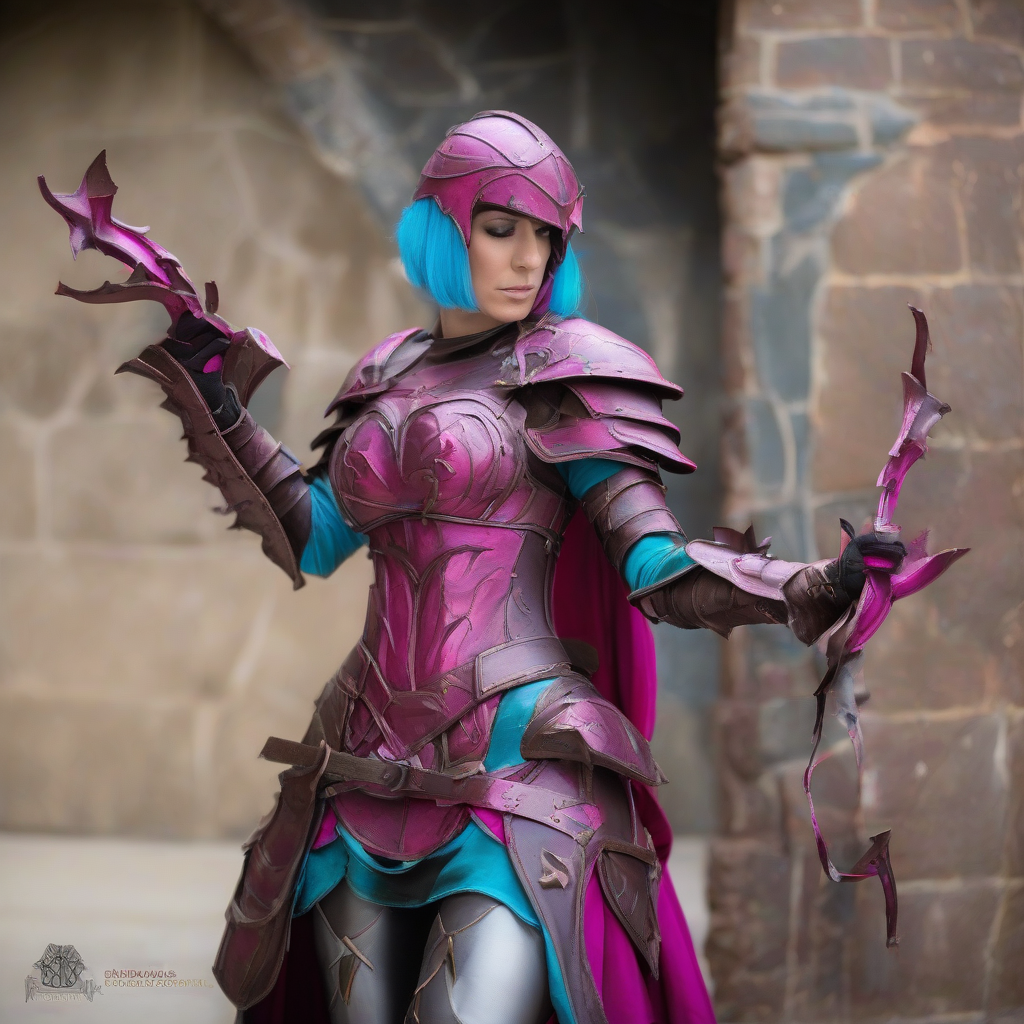
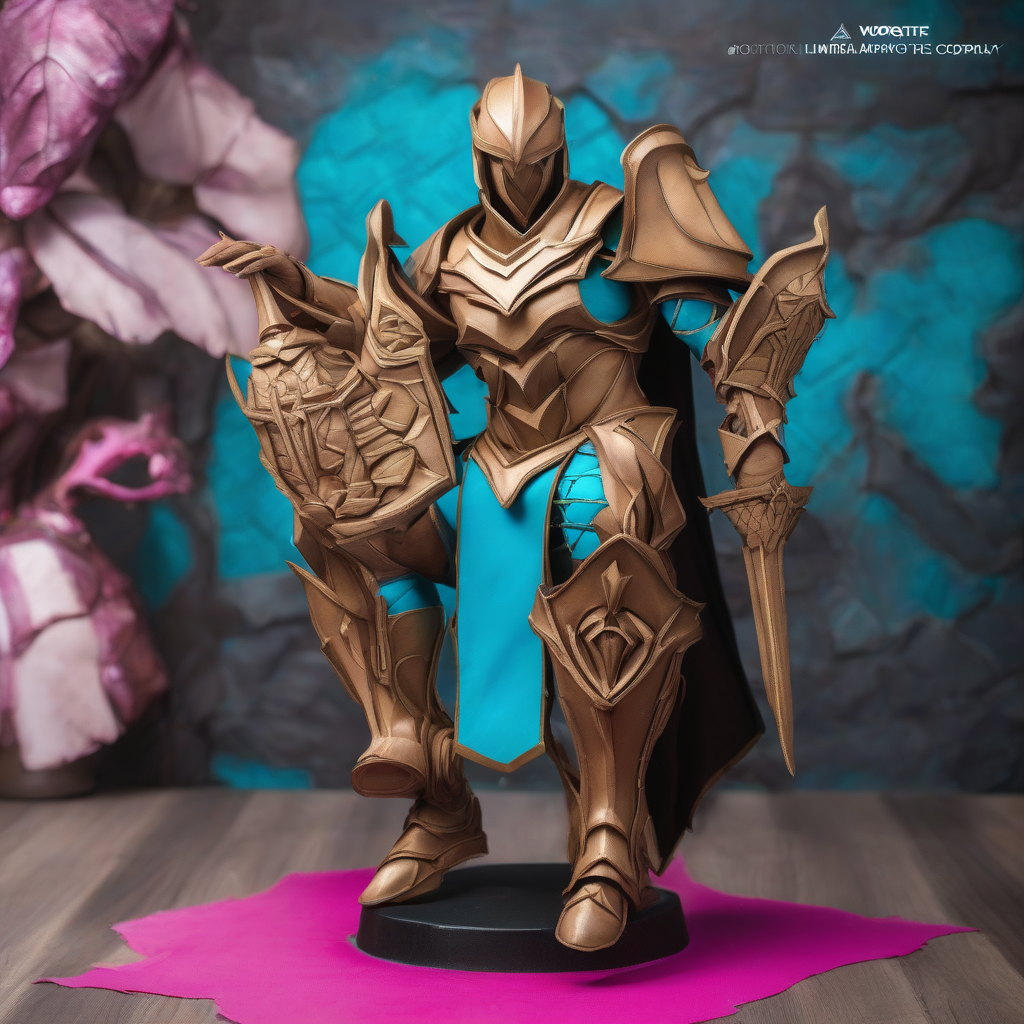
When it comes to creating show-stopping cosplay costumes, attention to detail is key. One of the most impressive and sought-after details in cosplay is the use of realistic scales, often seen in costumes inspired by fantasy creatures, dragons, and mythical beings. Traditional methods of creating scales involve tedious and time-consuming processes like painting and fabric manipulation. However, with advancements in 3D printing and resin crafting, cosplayers and prop makers can now achieve hyper-realistic scales with unprecedented ease and accuracy.
The Basics of 3D Printing and Resin Crafting
Before diving into the world of 3D printed scales, it's essential to understand the basics of 3D printing and resin crafting. 3D printing, specifically Fused Deposition Modeling (FDM) and Stereolithography (SLA), allows for the creation of complex geometries and detailed designs. Resin crafting, on the other hand, involves working with photopolymer resins that harden when exposed to light. These resins can produce incredibly detailed and smooth finishes, making them ideal for crafting realistic scales.
Choosing the Right 3D Printer and Resin
When selecting a 3D printer for scale making, consider the level of detail and resolution required. SLA printers, such as the Formlabs Form 2 or Prusa Mini, offer high-resolution prints with smooth surface finishes. For FDM printing, look for printers with high nozzle resolution and precision, like the Prusa i3 or Creality Ender 3.
For resin crafting, choose a resin specifically designed for detailed prints, such as:
- Formlabs' Standard Resin or High-Detail Resin for SLA printing
- Elegoo's Standard Resin or Monoprice's Select Mini Resin for FDM printing
Designing and Printing 3D Scales
To create realistic scales, start by researching reference images of the creature or character you're drawing inspiration from. Use 3D modeling software like Blender, Tinkercad, or Fusion 360 to design your scale models. Consider the shape, size, and texture of the scales, as well as how they will be attached to the costume.
When printing your scales, use the following best practices:
- Optimize your print settings for high resolution and detail.
- Use supports to prevent scales from warping or breaking during printing.
- Post-cure your prints to ensure a smooth finish.
Resin Finishing and Painting
Once your scales are printed, it's time to refine them with resin finishing and painting. Apply a coat of resin to smooth out any imperfections, then sand and polish to achieve a high-gloss finish.
For painting, use acrylic or enamel paints to achieve a realistic color and texture. Consider adding weathering effects like dirt, grime, or blood to give your scales a battle-worn look.
Attaching Scales to Your Costume
Attaching scales to your costume requires careful planning and execution. Use a strong adhesive like epoxy or hot glue to secure the scales to your costume or a backing material. Consider using a combination of attachment methods, such as:
- Epoxy for larger scales
- Hot glue for smaller scales
- Velcro or magnets for removable scales
Conclusion and Tips for Mastery
Crafting hyper-realistic cosplay scales with 3D printing and resin is a game-changer for cosplayers and prop makers. With practice and patience, you can achieve incredible results that will take your costumes to the next level.
For further learning and inspiration, check out:
- 3D printing communities like Reddit's r/3DPrinting and r/Cosplay
- Resin crafting tutorials on YouTube and Craftsy
- Cosplay forums and social media groups dedicated to prop making and costume crafting
Happy crafting, and don't be afraid to push the boundaries of what's possible with 3D printing and resin!