Introduction to Shibori
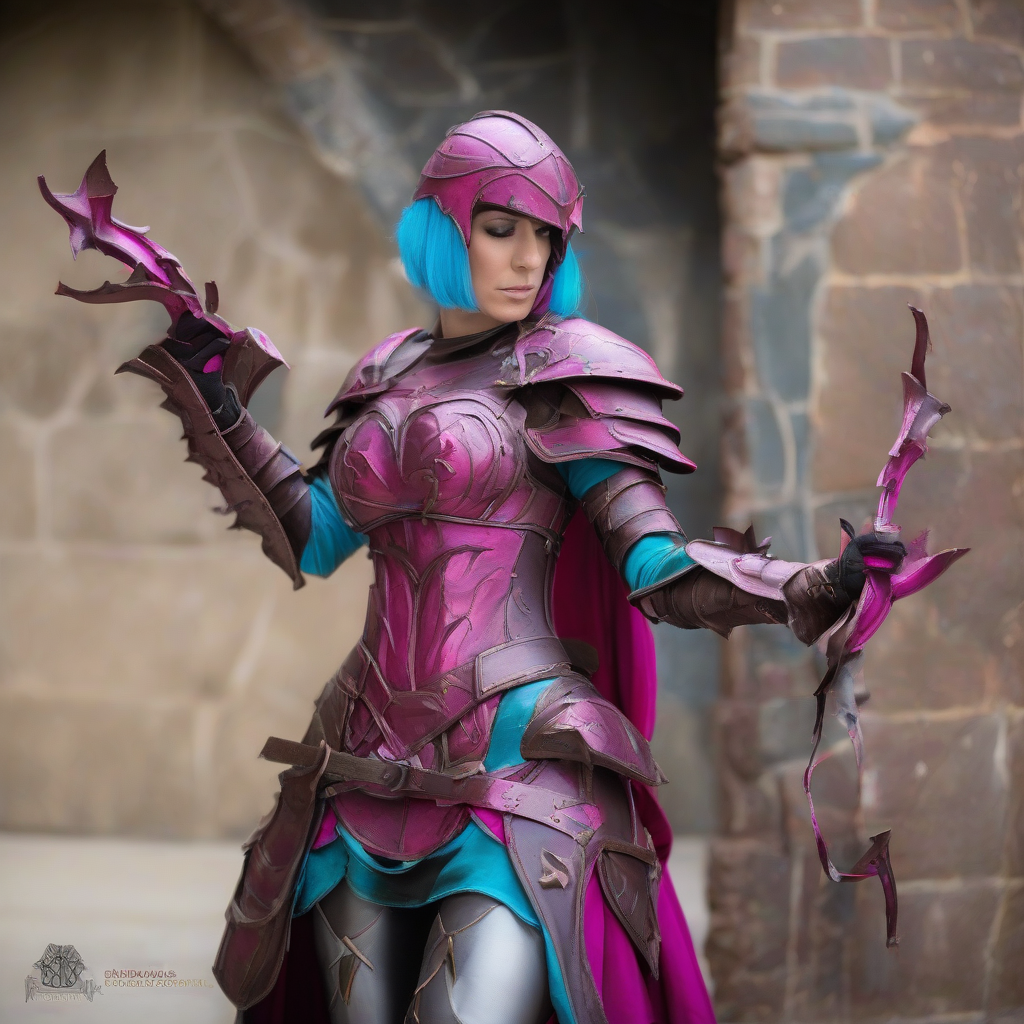
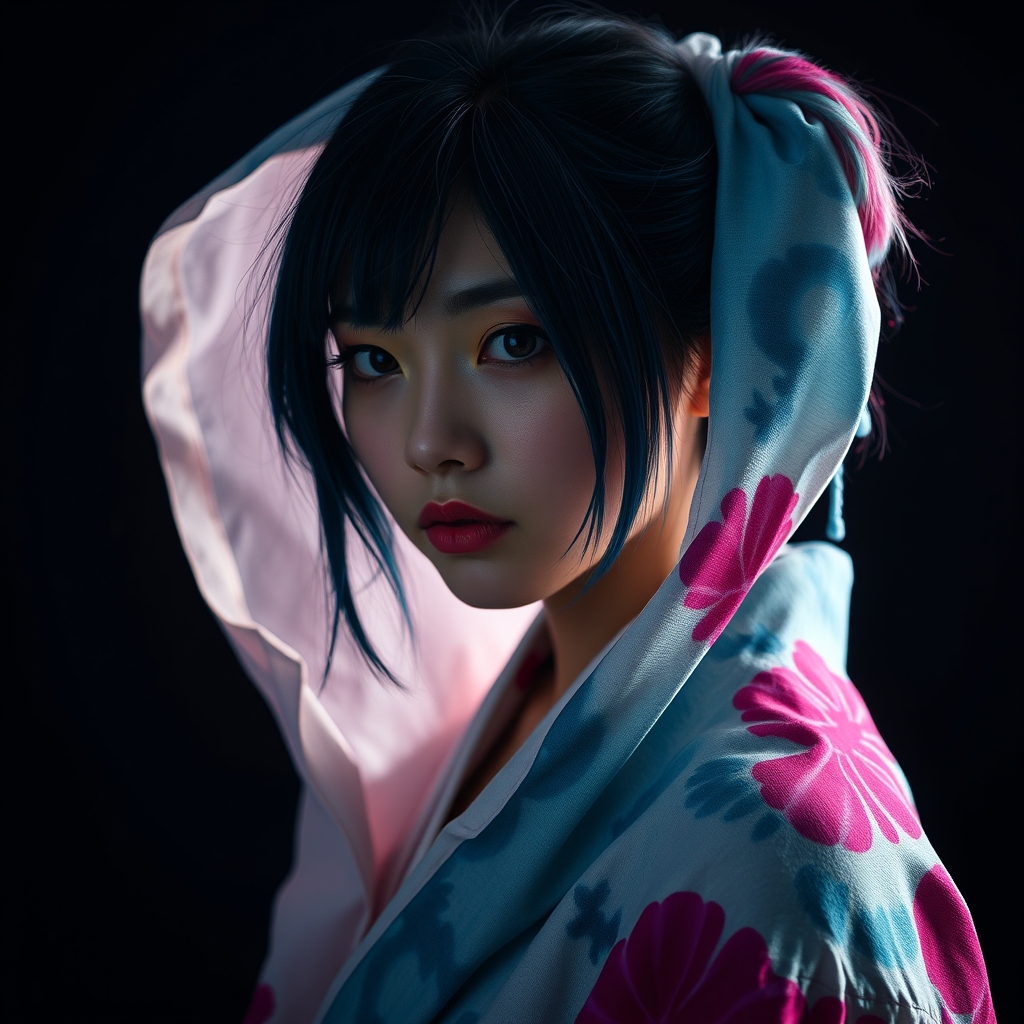
Shibori is a traditional Japanese fabric dyeing technique that has been used for centuries to create intricate, textured designs on fabric. The word "Shibori" comes from the Japanese word "shiboru," which means "to wring or squeeze." This technique involves folding, twisting, or pleating fabric to create resistance areas, which resist the dye and create unique patterns. Shibori has been used in traditional Japanese clothing, such as kimonos, and has recently gained popularity in the cosplay community for its ability to add depth and texture to costumes.
The Basics of Shibori
To get started with Shibori, you'll need a few basic materials:
- Natural fiber fabric, such as cotton, silk, or wool
- Dye, such as indigo or fiber reactive dye
- A binding agent, such as rubber bands or thread
- A container for dyeing
The key to Shibori is to create areas of resistance on the fabric, which will resist the dye and create patterns. This can be achieved by folding, twisting, or pleating the fabric, and then binding it with a thread or rubber band.
Types of Shibori Techniques
There are several types of Shibori techniques, including:
- Kōkechi Shibori: This involves folding the fabric into small pleats and then binding it with thread.
- Nui Shibori: This involves stitching the fabric in a specific pattern and then pulling the thread tight to create resistance areas.
- Itajime Shibori: This involves folding the fabric into a series of accordion-like pleats and then binding it with thread.
Each technique creates a unique pattern and texture, and can be used to create a wide range of designs.
Creating Shibori for Cosplay
So, how can you use Shibori in your cosplay? Here are a few ideas:
- Add texture to a costume: Shibori can be used to create intricate textures and patterns on fabric, adding depth and interest to a costume.
- Create a unique prop: Shibori can be used to create unique props, such as dyed fabric ribbons or textured fabric panels.
- Enhance a character's costume: Shibori can be used to create a specific texture or pattern that is associated with a character, such as the intricate designs on a traditional Japanese kimono.
To create Shibori for cosplay, start by selecting a fabric that is suitable for dyeing. Natural fibers, such as cotton or silk, work well for Shibori. Next, choose a Shibori technique and create a design on your fabric. Finally, dye the fabric using a fiber reactive dye, and then rinse and wash it to fix the color.
Tips and Tricks
Here are a few tips and tricks to keep in mind when working with Shibori:
- Use a consistent tension: When binding the fabric, make sure to use a consistent tension to create even patterns.
- Experiment with different folds: Don't be afraid to experiment with different folds and techniques to create unique patterns.
- Use a high-quality dye: Make sure to use a high-quality dye that is specifically designed for fabric dyeing.
By following these tips and experimenting with different Shibori techniques, you can create stunning, one-of-a-kind textures for your cosplay costumes.
Conclusion
Shibori is a unique and versatile fabric dyeing technique that can add depth and texture to your cosplay costumes. By understanding the basics of Shibori and experimenting with different techniques, you can create stunning, one-of-a-kind designs that will set your costumes apart. Whether you're a seasoned cosplayer or just starting out, Shibori is definitely worth exploring.